Best Mini Excavator Options for Global Buyers in 2026?
As global demand for construction equipment rises, the "Excavator Mini" market stands out in 2026. Industry expert Mark Thompson, a leading analyst at Heavy Machinery Insights, notes, "The versatility of mini excavators is reshaping job sites worldwide." The compact size and efficiency of these machines make them essential for urban construction.
Mini excavators offer unique advantages. Their small footprint allows access to tight spaces. This capability is vital for city projects, where space can be a constraint. With the rise of sustainable building practices, these machines also help reduce site disturbance. However, buyers often face challenges in selecting the right model for their needs.
In 2026, the landscape of mini excavators will evolve. Companies must consider factors like technology integration and fuel efficiency. While choices are expanding, not every model will suit every application. Potential buyers should reflect on their specific project requirements and be willing to adapt. The future of "Excavator Mini" options looks promising but demands careful consideration.
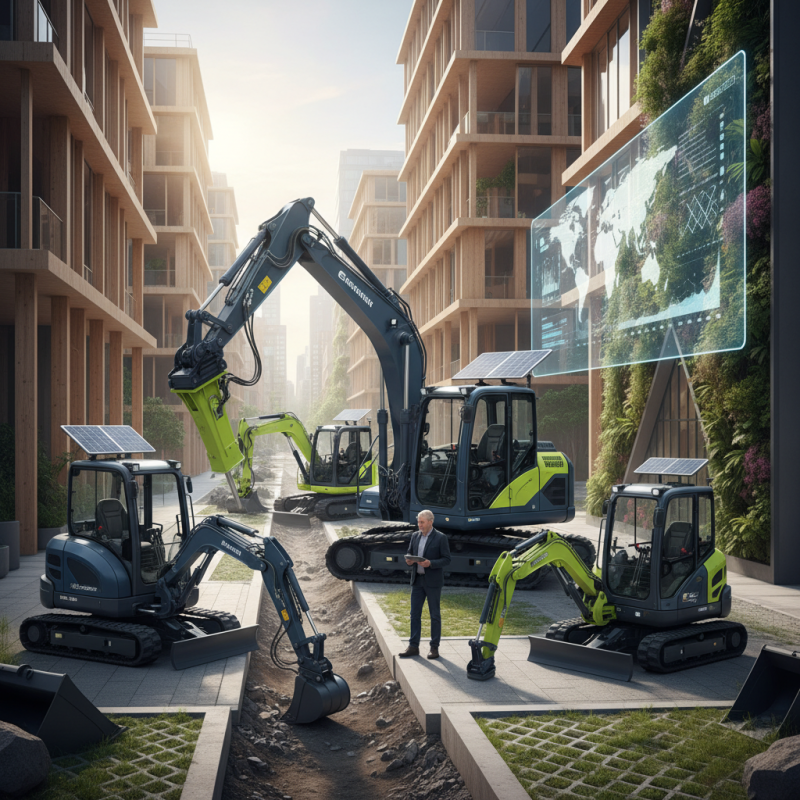
Market Overview of Mini Excavators in 2026
In 2026, the mini excavator market is anticipated to showcase significant growth. This surge is likely driven by the expanding construction and landscaping sectors worldwide. Buyers are increasingly leaning towards compact equipment for urban projects. These machines provide versatility in tight spaces without sacrificing power.
Technological advances will play a crucial role in shaping the market. Emphasis on fuel efficiency and eco-friendly options will rise. Many buyers seek reliable machines that produce less noise and pollution. Yet, not all manufacturers meet these expectations. Quality control issues may hinder performance, which can frustrate end-users.
As the market evolves, buyers will face new challenges. Demand for experienced operators increases, but skilled labor remains scarce. Users may encounter difficulties in finding trained personnel. Furthermore, adaptation to new technologies could present problems for traditional operators. These emerging issues require reflection on training and support systems in the industry.
Key Features to Consider When Choosing a Mini Excavator
When choosing a mini excavator, several key features should be considered. The operating weight is crucial. This affects stability and how much load the machine can handle. A lighter model might be easier to transport. Heavier ones generally offer more power and stability on uneven terrain.
Next, look at the digging depth. Different jobs require varying depths. Some tasks might only need shallow digging, while others demand deeper penetration. Consider the reach as well. A longer reach helps access tight spaces without repositioning the machine frequently.
Finally, evaluate hydraulic power and attachments. Strong hydraulic systems improve efficiency and versatility. Attachments can transform the excavator's functionality. However, weighing the cost against potential uses is essential. Buyers often overlook maintenance aspects too. Regular upkeep can extend the machine's lifespan. Choose a model that aligns with your operational budget and maintenance capabilities.
Best Mini Excavator Options for Global Buyers in 2026
This chart illustrates key features of mini excavators ideal for global buyers in 2026, including weight, max digging depth, bucket capacity, horsepower, and price. These factors are crucial when selecting the right mini excavator for various applications.
Top Mini Excavator Brands and Models for Global Buyers
When exploring the mini excavator market in 2026, various brands and models stand out. Buyers need to consider their specific requirements, such as the size of projects and operational terrain. A good mini excavator can perform intricate tasks, like digging in tight spaces and maneuvering on difficult grounds. It's essential to look for models with strong hydraulic capabilities, which enhance efficiency.
The best brands are known for their durability and reliability. Consider machines that offer advanced technology, such as improved fuel efficiency and user-friendly controls. Some models excel at lifting heavy materials, while others provide lower ground pressure, reducing surface impact. It's useful to evaluate customer reviews and industry certifications as they reflect user satisfaction.
However, no option is perfect. Some buyers report frustrations with maintenance and spare parts availability. Others notice power limitations in specific mud conditions. Always assess your local support network and potential resale value. Opting for a mini excavator requires careful consideration of these factors to meet current and future needs efficiently.
Comparative Analysis of Mini Excavator Pricing in 2026
As global demand for construction equipment rises, mini excavators have gained popularity. By 2026, these machines will be essential for various projects. Understanding pricing trends can help buyers make informed decisions. Price variability often depends on factors like machine size, power, and features. Many buyers will notice that compact models tend to be more affordable, making them a common choice.
In 2026, the average pricing of mini excavators is expected to fluctuate between $20,000 and $40,000. This range may feel overwhelming to some. However, there are trade-offs to consider. Cheaper options may lack durability or advanced features. On the other hand, premium models might offer enhanced capabilities that justify their higher costs.
Buyers should evaluate their specific project needs before committing. It's essential to assess which features are truly necessary. Not every project requires high-end specifications. Costly mistakes can arise from rushed decisions. Taking the time to compare dealer offerings and reviews can be crucial. Understanding these pricing dynamics will empower buyers globally.
Best Mini Excavator Options for Global Buyers in 2026
| Model | Operating Weight (kg) | Engine Power (hp) | Max Digging Depth (m) | Price Range (USD) |
| Mini Excavator A | 1600 | 40 | 3.2 | $25,000 - $30,000 |
| Mini Excavator B | 1800 | 45 | 3.6 | $28,000 - $35,000 |
| Mini Excavator C | 2000 | 50 | 3.8 | $30,000 - $40,000 |
| Mini Excavator D | 1500 | 38 | 3.0 | $22,000 - $27,000 |
| Mini Excavator E | 1700 | 43 | 3.4 | $26,000 - $32,000 |
Future Trends and Innovations in Mini Excavator Technology
The mini excavator market is evolving rapidly. Key trends indicate a push for more sustainable technologies. Manufacturers are exploring electric models to reduce emissions. These advancements promise to lower operating costs and improve efficiency. Battery life and charging infrastructure are crucial factors to consider in future developments.
Automation is another significant trend in mini excavator technology. Remote control and autonomous features are becoming more common. These innovations aim to enhance safety and precision on job sites. However, the integration of such technologies raises questions. Will operators need new training? How will this affect employment in the sector?
Innovative attachments for mini excavators are also emerging. Powerful tools for digging, grading, and demolition improve their versatility. Yet, not all attachments fit every model. Users must research compatibility to avoid costly mistakes. Overall, the mini excavator landscape in 2026 will be shaped heavily by these trends. Balancing innovation with practical applications remains a challenge for manufacturers and buyers alike.