Best Plastic Drains for Efficient Water Management Solutions?
In today's world, efficient water management is essential. Plastic Drains play a significant role in this area. Dr. Emily Carter, a renowned expert in drainage solutions, once said, "The right choice of plastic drains can transform water management systems." Her insight highlights the importance of quality materials.
Plastic drains are versatile and cost-effective. They are lightweight and easy to install, making them a favored option in various applications. However, not all plastic drains are created equal. Choosing the right one requires careful consideration and expertise. The performance of these systems can vary based on the material and design used.
Many projects face challenges in drainage efficiency. Common issues include blockages and inadequate flow rates. Understanding the specifics of plastic drains can mitigate such problems. Investing in proper solutions can lead to lasting benefits in water management. Learning from industry experts remains crucial. As with any material, reflection on performance is necessary for continued improvement.
Types of Plastic Drains for Water Management Applications
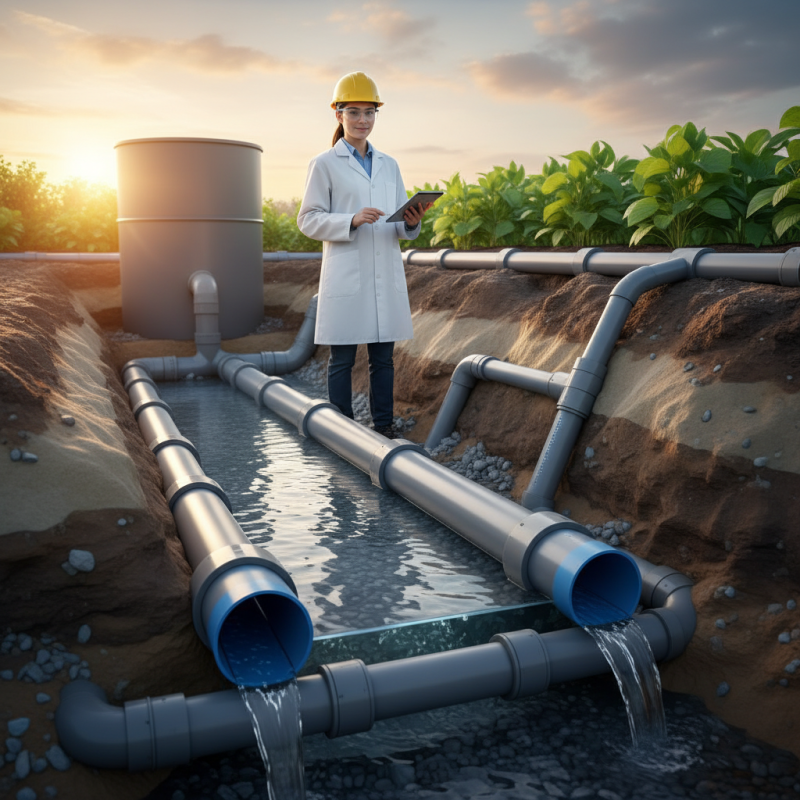
When considering plastic drains for water management, it’s essential to explore various types that cater to specific applications. One popular option is perforated drainage pipes. These pipes are designed with holes that allow water to enter, making them effective for managing excess surface water. They are often used in agricultural fields to prevent waterlogging, thus helping crops thrive.
Another type worth mentioning is channel drains. These drains are usually installed in driveways or around patios. They help redirect rainwater efficiently. They can be effective in preventing flooding in high-traffic areas. Their versatility makes them suitable for both residential and commercial settings.
However, while plastic drains offer various benefits, it’s important to assess their long-term durability. Some plastic materials may degrade faster under UV exposure or extreme temperatures. Monitoring their condition over time is crucial. Regular maintenance can enhance their effectiveness, ensuring optimal water management in your space.
Best Plastic Drains for Efficient Water Management Solutions
Factors to Consider When Choosing Plastic Drains
When selecting plastic drains for effective water management, consider several important factors. The material's durability is crucial. High-quality plastic can withstand harsh weather conditions. Additionally, the drain's design must allow for efficient water flow. Look for options that minimize clogging.
Tips: Always check the weight capacity of the plastic drain. This is vital for heavy rainfall scenarios. Also, examine the installation process. Some designs are easier to install than others. A user-friendly setup saves both time and effort.
Another consideration is maintenance. Some plastic drains require more frequent cleaning. This may impact your choice if you prefer low-maintenance solutions. Test different options to find what works best for your specific needs. Remember to think about aesthetics too. A well-designed drain can blend smoothly into your landscaping.
Benefits of Using Plastic Drains Over Traditional Materials
When considering effective water management, plastic drains emerge as an excellent choice. They are lightweight and easy to handle, which simplifies installation. Unlike traditional materials, plastic does not corrode. This resistance saves both time and money in long-term maintenance.
The benefits extend to cost-effectiveness as well. Plastic drains are generally more affordable than metal or concrete options. They also offer higher durability in wet conditions. This durability reduces the risk of replacement, leading to further savings. However, not all plastic drains are created equal. It’s essential to choose quality products for optimal performance.
While there are advantages, plastic drains have limitations. They can warp under extreme temperatures, impacting functionality. This factor should be evaluated depending on the climate in your area. Addressing these challenges requires informed decision-making. Using plastic drains requires a balance of benefits and potential drawbacks.
Best Plastic Drains for Efficient Water Management Solutions
| Material Type | Weight (lbs per ft) | Corrosion Resistance | Installation Time (hrs) | Cost per Foot ($) | Lifespan (Years) |
| PVC | 1.5 | Excellent | 2 | $2.00 | 50+ |
| HDPE | 1.7 | Excellent | 3 | $2.50 | 50+ |
| PP | 1.2 | Good | 2.5 | $1.80 | 30+ |
| ABS | 1.4 | Fair | 2 | $2.20 | 25+ |
Maintenance Tips for Ensuring Efficient Water Flow
Maintaining plastic drains is crucial for effective water management. Regular cleaning can prevent clogs, which often lead to issues. Debris, leaves, and dirt can accumulate in the drains over time. If left unchecked, this buildup can restrict water flow and cause backups. A simple monthly inspection can save you from future headaches.
Using a mixture of vinegar and baking soda can keep drains clear. This eco-friendly solution breaks down organic materials. Pour it down the drain, wait for a while, then flush with hot water. However, overusing chemical cleaners can damage plastic. It's vital to strike a balance between cleanliness and safety.
Consider checking the alignment of your drainage system. Uneven slopes might cause water to pool, leading to mold. Adjusting the drain angle can improve flow. Regular checks for cracks or breaks in the plastic are also essential. Small issues can escalate quickly if not addressed. Engaging with local plumbing experts can provide valuable insights and recommendations tailored to your unique situation. Your drains need attention; treating them as an afterthought could lead to costly repairs.
Installation Best Practices for Plastic Drain Systems
When installing plastic drain systems, proper practices are crucial for optimal performance. Begin by assessing the site to determine the best layout and slope for drainage. A slope of at least 1% is generally recommended to ensure adequate water flow. This minimizes the chances of stagnant water, which can lead to soil erosion or pooling.
Consider the depth of the trenches. Make them deep enough to accommodate both the drain pipes and a layer of gravel for proper filtration. Gravel aids in preventing clogging, so its presence should not be overlooked. Ensure that all connections are secure and watertight. This step is vital; even minor leaks can compromise the entire system's efficiency, leading to costly repairs.
After installation, regular maintenance is essential. Periodically check for debris and clean out any blockages. Small issues can escalate if not addressed promptly. Keep in mind that while plastic drains are durable, they can degrade over time. Sun exposure and weather conditions may affect their lifespan. Regular inspections can help maintain efficiency and ensure the system meets its intended purpose.