Best Stand Up Toothpaste Tube Options for Global Buyers?
In the competitive landscape of oral care products, the "Stand Up Toothpaste Tube" has emerged as a preferred choice for many consumers. According to the 2023 Global Oral Care Market Report, the demand for innovative packaging solutions has increased by 25% over the past year. This reflects a growing preference for convenience and ease of use among buyers worldwide. Industry expert Dr. Emily Carter notes, "A well-designed Stand Up Toothpaste Tube not only enhances user experience but also minimizes waste."
The benefits of the Stand Up Toothpaste Tube extend beyond mere aesthetics. These tubes reduce the amount of product wasted, making them a sustainable choice. The World Packaging Organization emphasizes that 70% of consumers value eco-friendly packaging. However, not every product on the market is created equal. Some tubes may compromise on material quality or user experience, leading to frustration. The challenge lies in identifying brands that meet the evolving expectations of health-conscious consumers.
While the market offers a plethora of options, it's essential to scrutinize the material used in making these tubes. Low-quality tubes can lead to leaks and product contamination. As highlighted by the latest packaging research, consumers often overlook these details until it affects their daily routine. Therefore, finding the best Stand Up Toothpaste Tube is about balancing innovation with reliability, guiding global buyers toward informed decisions.
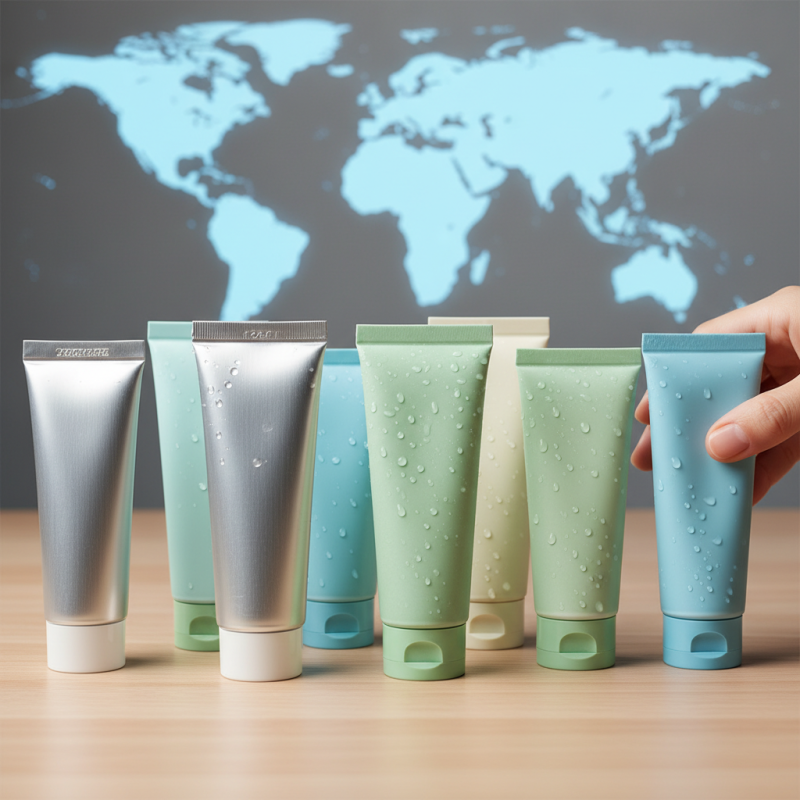
Overview of Stand Up Toothpaste Tubes and Their Benefits
In recent years, the demand for stand up toothpaste tubes has surged, driven by consumers' desire for convenience and sustainability. A report from Smithers Pira highlights that the flexible tube market is projected to grow by 4.5% annually, with consumers increasingly favoring packaging that stands upright. This shift not only optimizes storage but also minimizes product waste, allowing users to access nearly every drop of toothpaste.
Stand up tubes are often made from recyclable materials, emphasizing eco-friendliness. According to the Ellen MacArthur Foundation, over 300 million tons of plastic are produced annually, a significant portion from personal care products. By adopting stand-up designs, brands can reduce overall plastic usage and appeal to eco-conscious buyers. Yet, while the benefits are clear, not all stand up tubes are equally efficient. Some users report challenges with product flow or difficulty dispensing when nearing emptiness.
Moreover, the rise of minimalist lifestyles has led consumers to prefer simple, functional designs. Researchers at Mintel found that 70% of consumers prioritize ease of use in their purchasing decisions. However, some may find that aesthetic appeal can sometimes overshadow practicality. Balancing these aspects remains a key challenge for manufacturers. As awareness grows, both consumers and producers need to address these imperfections in design and functionality.
Popular Brands for Stand Up Toothpaste Tubes Worldwide
When choosing stand-up toothpaste tubes, global buyers look for practicality and aesthetics. Many brands offer innovative designs that stand out. These tubes are often user-friendly, allowing for easy dispensing of the product. A good design enables users to squeeze every last drop of toothpaste, minimizing waste.
Several popular brands have developed unique features in their stand-up tubes. Many are designed with non-slip bases, which makes them ideal for use in wet environments, like bathrooms. Moreover, some options include clear sections to show how much toothpaste is left. This transparency appeals to consumers who like to keep track of their usage.
However, while many stand-up tubes are effective, not all function perfectly. Some designs may be difficult to squeeze, especially when they’re near empty. This can be frustrating for users. Moreover, the materials used might not be eco-friendly, which concerns environmentally conscious buyers. As more brands innovate, it’s essential to consider both functionality and sustainability in the purchasing decision.
Materials Used in Manufacturing Stand Up Toothpaste Tubes
When considering materials for stand-up toothpaste tubes, the industry leans heavily on sustainable options. Plastic tubes, commonly used, face scrutiny due to their environmental impact. A study from the Packaging Association indicates that less than 30% of plastic packaging gets recycled. This data underscores the need for alternatives.
Aluminum is gaining traction. It is lightweight, durable, and completely recyclable. The aluminum tube can be reused multiple times, reducing waste. According to a report from the Aluminum Association, over 90% of aluminum ever produced is still in use today. However, sourcing aluminum poses challenges, including energy-intensive extraction processes.
Biodegradable materials are too on the rise. These options include plant-based plastics and paper tubes. Some manufacturers are experimenting with new composites that break down naturally. Yet, these materials often lack the barrier properties of traditional plastics. A balance between sustainability and functionality remains a key focus in the industry. Continuous research into material properties is essential for future innovation.
Environmental Impact and Sustainability Considerations
The global demand for sustainable packaging is rising rapidly. According to a recent report from the Sustainable Packaging Coalition, over 70% of consumers prefer products with eco-friendly packaging. Stand-up toothpaste tubes, made from recyclable or biodegradable materials, align perfectly with this trend. By choosing such options, consumers can significantly reduce their environmental footprint.
However, not all stand-up toothpaste tubes are created equal. While some manufacturers claim sustainability, many still use mixed materials that complicate recycling processes. In the U.S., only 9% of plastic waste is recycled effectively. This highlights the need for more industry transparency and innovation in designing fully recyclable alternatives. It’s crucial for consumers to look for certifications and verify claims before making a purchase.
Despite the progress, challenges remain. The infrastructure for recycling isn’t consistent across regions. Consumers often face barriers despite their willingness to choose sustainable products. Overcoming these issues requires collaboration across the industry and improvements in recycling technology. Awareness and education about the proper disposal methods are also needed to maximize the benefits of sustainable toothpaste tubes.
Best Stand Up Toothpaste Tube Options for Global Buyers? - Environmental Impact and Sustainability Considerations
| Material | Recyclability | Biodegradability | Carbon Footprint (g CO2e/Tube) | Water Usage (L/Tube) | Sourcing |
| Aluminum | Yes | No | 18 | 0.5 | Recycled content |
| Plastic (HDPE) | Yes | No | 25 | 0.3 | Virgin materials |
| Bioplastic (PLA) | Yes | Yes | 20 | 0.4 | Plant-based |
| Glass | Yes | No | 30 | 0.2 | Recycled content |
| Composite | Partial | No | 22 | 0.6 | Mixed sources |
Choosing the Right Stand Up Toothpaste Tube for Different Needs
When selecting a stand-up toothpaste tube, consider user preferences and environmental impact. Research indicates that over 50% of consumers favor tubes that are easy to squeeze and dispense. This convenience enhances daily routines while minimizing wasted product. Lightweight and collapsible designs are becoming increasingly essential, especially for travel and storage.
Different materials can affect both the product and consumer perception. For instance, aluminum tubes are often seen as more premium. However, they can be harder to recycle than plastic alternatives. Data from industry reports reveal that sustainable packaging is a key factor for over 75% of buyers in recent years. This shift highlights the need for manufacturers to invest in eco-friendly materials.
Tip: Choose tubes with smart dispensing features to minimize waste. These small innovations can significantly improve user experience. Consider the design and materials carefully. They can influence your brand’s reputation. Lastly, trial and testing can help identify the best fit for your target market’s needs.