How to Choose the Best Skid Loader for Your Needs?
Choosing the right Skid Loader can greatly impact your work efficiency. With a plethora of options available, making the best decision may feel daunting. Each Skid Loader offers unique features that cater to specific tasks and environments. Understanding these options is crucial for any buyer.
When evaluating a Skid Loader, consider your primary tasks. Are you using it for landscaping, construction, or agriculture? The machine's size, horsepower, and attachments play a significant role. Pay attention to the weight capacity. Choosing the wrong size might mean overworking the loader or encountering frequent breakdowns.
Reliability is key in machinery. Look for trusted brands with solid reputations in the industry. User reviews can provide insights that specifications alone cannot. However, remember that personal needs vary. A model perfect for one task might not suit another. Reflect on your goals and usage frequency. Such considerations will help ensure you make a well-informed decision, optimizing your investment in a Skid Loader.
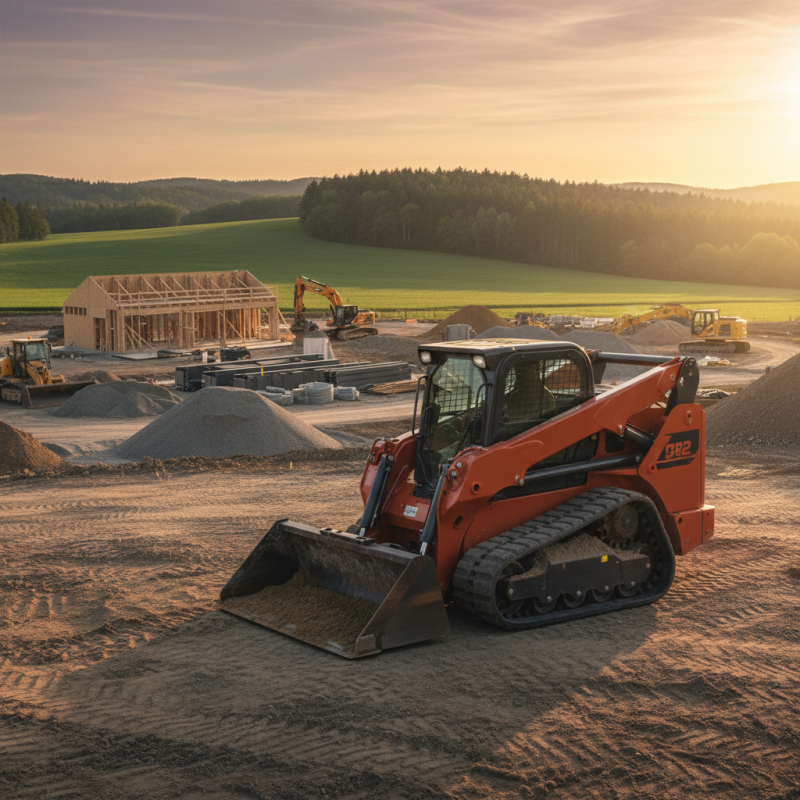
Understanding the Different Types of Skid Loaders and Their Applications
When choosing a skid loader, understanding the different types is crucial. Skid loaders come in various forms, each suited for specific tasks. Compact skid loaders excel in tight spaces, making them ideal for landscaping or small construction sites. These machines are nimble and can handle a range of attachments, from buckets to forks.
In contrast, larger skid loaders are designed for heavier workloads. They typically offer greater horsepower and lifting capacity. These machines are well-suited for excavation, bulk material handling, and larger construction projects. However, they require more space to operate effectively.
Pay attention to the tire types as well. Solid tires are durable and puncture-resistant, perfect for rugged terrains. Pneumatic tires offer a smoother ride but may need replacement more frequently. Consider the terrain you'll be working on and the load you'll carry. Selecting a skid loader involves weighing options carefully. This decision can greatly affect your work efficiency. Reflect on your unique needs and possible limitations of your chosen model.
Comparison of Skid Loader Types and Their Applications
Evaluating Engine Power and Performance Metrics for Skid Loaders
Engine power and performance metrics are crucial when selecting a skid loader. A good skid loader typically has an engine power ranging from 50 to 100 horsepower. This provides a solid baseline for tasks like earthmoving and lifting. Industry reports suggest that loaders with higher horsepower can significantly improve productivity, especially in demanding construction environments.
Performance metrics, such as lifting capacity and hydraulic flow, are equally important. Most skid loaders offer a lifting capacity between 1,000 to 3,500 pounds. When considering hydraulic flow, look for flow rates of 15 to 30 gallons per minute. These numbers impact the efficiency of attachments. If you're frequently using high-demand attachments like grapples, this flow rate may not meet your needs.
However, balancing power and performance with fuel efficiency is essential. Some high-powered units may exhibit higher operational costs. If you're operating in tight spaces, larger skid loaders may be cumbersome. Evaluate your specific requirements to avoid over-specifying. Not all heavy tasks require the most powerful machine, so consider the actual workload before making a choice.
Assessing Lift Capacity and Reach for Your Specific Job Requirements
Choosing the right skid loader involves understanding your lift capacity and reach needs. Each job has unique requirements that determine the type of machine suitable for the task. Assess how much weight you need to lift and the height you need to reach. If your tasks include lifting heavy materials, a higher lift capacity is crucial. Conversely, jobs requiring more horizontal reach necessitate a different focus.
Tips: Always check the machine’s specifications against your requirements. Make a checklist of your most common tasks. Examine whether you need a high dump feature or extended boom for specific applications. This knowledge will simplify the selection process.
Different jobs will have varying constraints. A loader suited for landscaping may not be appropriate for construction. Analyze your work environment. Space limitations and terrain type affect decision-making. Are there tight areas to navigate? Consider a skid loader with a narrower frame, which can still deliver the desired lift capacity.
Tips: Look for loaders with adjustable arms if versatility is needed. Don’t overlook visibility and operator comfort. Poor visibility can lead to accidents, while discomfort reduces productivity. Assess operator needs against your machine choices to ensure you select a skid loader that complements your type of work.
How to Choose the Best Skid Loader for Your Needs? - Assessing Lift Capacity and Reach for Your Specific Job Requirements
| Model | Lift Capacity (lbs) | Reach (ft) | Weight (lbs) | Engine Power (HP) |
| Model A | 1500 | 8 | 3500 | 50 |
| Model B | 2000 | 10 | 4000 | 60 |
| Model C | 1800 | 9 | 3800 | 55 |
| Model D | 2200 | 11 | 4250 | 70 |
Comparing Attachment Options and Versatility of Skid Loaders
When choosing a skid loader, consider its attachment options. Versatility is key for maximizing productivity. Various attachments can enhance functionality. Common options include buckets, forks, and augers. Each serves unique purposes. A bucket is great for digging, while forks are ideal for lifting. The right combination can transform your skid loader into a multi-tool.
However, attachment compatibility varies. Not all skid loaders can accommodate every attachment. It’s important to verify compatibility before making a purchase. Research is crucial. Understanding the specifications and weight limits of your skid loader ensures safe operation. An unsuitable attachment can lead to inefficiencies or damage.
Think about your specific needs. Will you be performing landscaping, construction, or agriculture tasks? Each application may require different attachments. Consider the terrain and materials you'll work with. Planning ahead can help you avoid costly mistakes. Investing time in understanding attachment options can yield a more productive machine.
Analyzing Maintenance Costs and Reliability of Skid Loader Brands
When selecting a skid loader, maintenance costs and brand reliability are crucial factors. Not all brands offer the same level of service after a purchase. Some may promise low initial prices, but hidden maintenance costs can add up quickly. Researching common repairs and parts replacement can save future headaches.
Understanding warranty options is essential too. Reliable brands often provide extensive warranties, showcasing their trust in the machinery. A brand with a poor reputation could lead to higher expenses in the long run. Consider the availability of parts and service centers in your area; a lack of support could increase downtime.
Reliability goes hand in hand with user reviews. Pay attention to feedback from current owners. Their experiences with breakdowns and repair times are invaluable. However, it’s important to be cautious; not all reviews are unbiased. Examining multiple sources can lead to a more balanced perspective on performance and durability. Choosing a skid loader requires careful consideration of these elements. Each decision shapes your operations and bottom line in ways that might not be immediately visible.