Top Tips for Choosing a Concrete Mixer Planetary Machine?
When selecting a Concrete Mixer Planetary machine, expertise matters. Industry veteran Mark Thompson states, "The right mixer can significantly enhance your production efficiency." His insight reflects the critical role of choosing the right equipment in construction projects. Understanding the nuances can save time and resources.
Concrete Mixer Planetary machines offer unique benefits. These mixers feature adjustable speed and reliable mixing performance. This ensures consistent quality in concrete production. However, not all machines deliver the same results. It's vital to consider factors like the size, power, and ease of maintenance.
Every project has specific demands. Some may require advanced technology, while others might benefit from simple designs. Evaluating your needs thoroughly is essential. Buyers often overlook key features, leading to suboptimal performance. In the end, a well-informed choice can lead to long-lasting benefits in efficiency and quality.
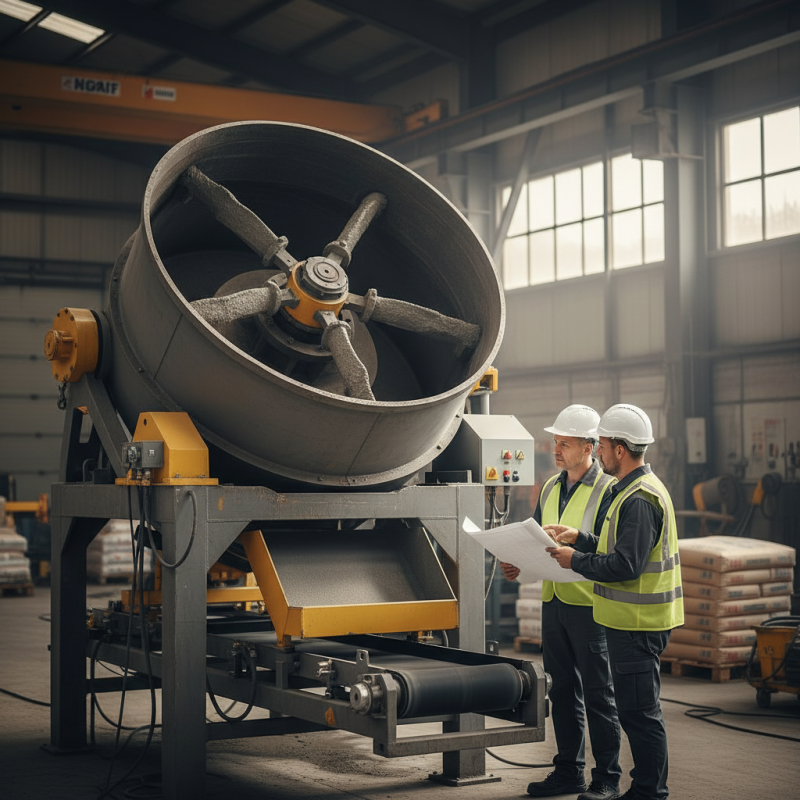
Understanding the Different Types of Concrete Mixer Planetary Machines
When choosing a concrete mixer planetary machine, understanding the types available is crucial. Planetary mixers can be categorized into different styles based on design and functionality. Common types include single-shaft, double-shaft, and vertical mixers. Each comes with unique specifications suited to various project needs. A study from the International Journal of Concrete Technology shows that planetary mixers reduce mixing time by up to 20% compared to traditional models. This efficiency is essential for large-scale operations.
Selecting the right machine can affect the quality and consistency of your concrete. Consider the mixing capacity required for your projects. A report by the American Concrete Institute indicates that a planetary mixer with a capacity of 1.5 cubic meters per batch is ideal for mid-sized projects. For larger constructions, machines that can handle 3 cubic meters are recommended.
Seek machines equipped with features for durability and ease of maintenance. Check for wear-resistant linings and easy access for repairs. These factors contribute to long-term reliability. Remember, investing in high-quality equipment can reduce operational costs over time. Reflect on your specific needs before making a choice to ensure your selected mixer will meet them efficiently.
Key Features to Look for in a Concrete Mixer Planetary Machine
When selecting a concrete mixer planetary machine, understanding key features is essential. Look for a robust motor. A powerful motor can enhance mixing efficiency. Additionally, ensure the machine has a quality gear system. This can prolong the mixer’s life and improve performance. Reliable construction materials can also be a game changer. Steel components tend to last longer than plastic ones.
Mixing capacity is another important aspect. Choose a machine that meets your project scale. Smaller models might suffice for minor jobs, while larger volumes require bigger mixers. Pay attention to the mixing blades. They should be designed for thorough mixing. This can prevent material segregation and ensure consistent results.
Consider control options too. An intuitive interface is critical. It should allow easy adjustments while working. Real-life experiences often highlight frustrations with complex controls. Ease of maintenance can’t be overlooked. A design that allows quick access to parts can save valuable time. Finding the right balance between features and usability can sometimes be challenging. Look for user reviews to gauge reliability and performance before making a choice.
Evaluating the Performance and Efficiency of Mixing Equipment
When selecting a concrete mixer planetary machine, evaluating performance and efficiency is crucial. The mixing process impacts the overall quality of concrete. A well-designed machine ensures a uniform consistency. Look for features like adjustable mixing speeds. This allows customization based on the materials used. A higher mixing speed might be beneficial for certain applications, improving the final product quality.
Energy efficiency is another vital factor. Machines that consume less power can lead to significant cost savings. Check the motor specifications and the overall energy consumption rate. It's worth noting that a more expensive machine might not always offer long-term benefits. Maintenance is essential; operators should consider the ease of servicing the machine.
Lastly, monitor feedback from users about their experiences. Some machines may have performance issues that become apparent over time. Investigate reviews and discuss with industry professionals. There’s often a gap between expectations and reality. Being thorough in your research can help mitigate these concerns, ultimately supporting better investment decisions.
Top Tips for Choosing a Concrete Mixer Planetary Machine
| Dimension | Performance Metric | Efficiency Rating | Mixing Capacity (L) | Energy Consumption (kW) |
| Drum Size | High | A+ | 100 | 5 |
| Mixing Speed | Medium | B | 150 | 7 |
| Total Power | High | A | 200 | 10 |
| Durability | High | A+ | 250 | 8 |
| User-Friendly Interface | Yes | A | 300 | 6 |
Assessing the Durability and Maintenance Requirements of Mixers
When choosing a concrete mixer planetary machine, durability and maintenance are crucial. A robust design can withstand the heavy demands of mixing concrete. Consider the materials used in the construction. High-quality steel and welding techniques contribute to longevity. Machines that are prone to rust or wear may lead to costly repairs.
Regular maintenance is essential for optimal performance. Inspecting components like gears, drums, and bearings helps identify issues early. Some mixers may require more frequent lubrication, while others might need part replacements sooner. Understanding the specific maintenance needs of the mixer can save time and resources.
The right choice of a mixer also involves assessing its ease of serviceability. A complex design might complicate repairs. Machines that allow easy access to parts facilitate quicker checks. Reflecting on these aspects can help you select a reliable and durable mixer for your projects.
Top Tips for Choosing a Concrete Mixer Planetary Machine
Budgeting: Cost Considerations When Choosing a Concrete Mixer Machine
When budgeting for a concrete mixer planetary machine, understanding the costs involved is crucial. Generally, prices for these machines vary between $15,000 and $60,000. This wide range depends on capacity, features, and brand. A detailed analysis of your specific needs can guide your investment.
Maintenance costs also play a significant role in budgeting. According to industry data, annual maintenance can add up to 10-20% of the initial purchase price. Ignoring upkeep might lead to costly repairs later. It's essential to factor this into your financial plan.
Additionally, energy consumption is a hidden cost. On average, high-efficiency mixers save up to 30% on energy bills compared to standard models. This can reduce operational expenses significantly over time. Choosing the right mixer can impact both upfront costs and long-term savings. An informed decision incorporates these aspects for a balanced budget.