
Top 10 Aluminum Foil Box Benefits for Global Buyers?
In today's fast-paced world, the Aluminum Foil Box has emerged as a kitchen essential. With its versatility and practicality, buyers globally are taking notice. Industry expert Sarah Thompson, a packaging specialist, says, “The Aluminum Foil Box is more than just a storage solution; it enhances cooking efficiency.” This statement highlights the importance of understanding its benefits for modern culinary practices.
Aluminum Foil Boxes not only preserve food but also simplify preparation. They help maintain the freshness of leftovers, making them indispensable for busy households. Moreover, these boxes are environmentally friendly, as they are recyclable and reduce food waste. Many users appreciate their ability to withstand high temperatures, which allows for safe cooking and baking.
However, some may overlook potential issues such as durability. The quality can vary among brands, sometimes leading to frustration. As consumers, it’s vital to research and select high-quality options. Despite these challenges, the advantages of the Aluminum Foil Box make it a crucial choice for anyone who values efficiency and sustainability in the kitchen.
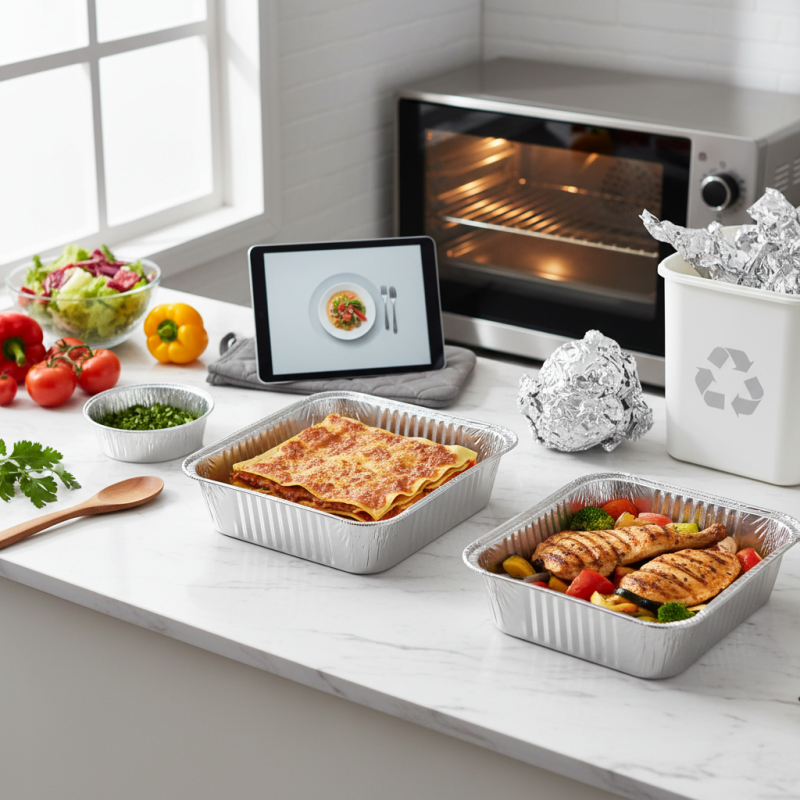
The Role of Aluminum Foil in Food Preservation and Safety
Aluminum foil plays a crucial role in food preservation and safety. It acts as a barrier, protecting food from moisture, light, and air. Research shows that aluminum foil can prevent food spoilage by up to 50%. This is particularly important for perishable items such as fruits and vegetables. The barrier properties help maintain freshness, extending shelf life significantly.
Beyond freshness, aluminum foil also aids in food safety. It reduces the risk of cross-contamination by separating cooked and raw foods. A study by the Food and Drug Administration indicates that proper food wrapping can prevent foodborne illnesses. However, the handling of aluminum foil itself requires care. Proper folding and sealing techniques must be used to maximize its protective benefits.
Despite its advantages, there are considerations to reflect upon. Users may inadvertently expose food to harmful chemicals if foil is not used correctly. This is especially true when wrapping acidic foods. Safety guidelines recommend using foil as a top layer, not in direct contact with highly acidic ingredients. Rethinking these practices can enhance food safety further.
Environmental Benefits of Using Aluminum Foil in Packaging
Aluminum foil is a versatile packaging material that offers significant environmental benefits. Unlike many plastics, aluminum is 100% recyclable. This means that products made from aluminum can be reprocessed indefinitely without losing quality. When recycled, aluminum saves up to 95% of the energy needed to produce new foil. Using aluminum foil helps reduce waste and conserve resources, making it a smart choice for sustainable packaging.
In terms of food preservation, aluminum foil acts as a barrier against moisture, light, and air. It extends the shelf life of products, reducing food waste. By keeping food fresher for longer, less will ultimately be thrown away. This translates to fewer resources wasted in food production and packaging.
**Tip:** To maximize aluminum's benefits, always recycle used foil. Ensure it is clean and dry before placing it in recycling bins. Consider using reusable containers for daily meals to lessen dependency on single-use materials.
Aluminum's reflective properties also contribute to energy savings. Insulated with foil, homes can maintain temperatures efficiently. This can lead to reduced energy costs and lower carbon footprints. However, awareness of local recycling guidelines is crucial to ensure proper disposal.
Economic Impact of Aluminum Foil Box Usage on Consumer Choices
The economic impact of aluminum foil box usage is significant for consumers. Choosing aluminum foil boxes can enhance convenience in daily life. For instance, these boxes preserve food freshness and reduce waste. This choice often leads to lower grocery bills, which is appealing to many buyers. It is essential to recognize how preferences shift toward sustainable products.
However, the affordability of aluminum foil boxes matters. Some consumers may find them pricey compared to alternatives. This perception can affect decision-making and alter purchasing habits. Moreover, eco-friendly options sometimes carry hidden costs, leading buyers to reconsider. It’s crucial to weigh the benefits against the overall value.
Aluminum foil boxes also affect consumer behavior in unexpected ways. Many people feel they are making a responsible choice by opting for recyclable materials. Yet, the environmental impact of production raises questions. Understanding the lifecycle of the product could change perspectives. Consumers need to reflect on their preferences and the broader implications of their choices. Balancing convenience, cost, and environmental sustainability remains a complex challenge.
Aluminum Foil's Versatility: Applications Beyond the Kitchen
Aluminum foil is widely recognized for its kitchen applications, but its versatility extends far beyond food storage. In crafting, aluminum foil can be used to create intricate designs and sculptures. Artists often employ it as a base for various mixed media projects, adding texture and reflective qualities that enhance visual appeal. The lightweight nature of aluminum makes it easy to manipulate, inspiring creativity.
In home maintenance, aluminum foil acts as an excellent tool for polishing and cleaning. It can effectively scrub pots and pans. When crumpled into a ball, it serves as a scrubbing pad. Some users report that it can declutter their kitchen drawers by wrapping and organizing small items. However, not everyone realizes the potential of aluminum foil for these non-food-related uses. It invites exploration and may lead to unexpected discoveries.
The durability of aluminum simplifies many tasks. For instance, using it in gardening helps protect plants from pests. When used as a reflective shield, it aids in directing sunlight towards seedlings. This applicability raises questions. Are we fully utilizing materials at our disposal, or are we overlooking simple solutions? Exploring aluminum foil's potential reminds us to rethink conventional uses and challenge the norms.
Top 10 Aluminum Foil Box Benefits for Global Buyers
Market Trends in Aluminum Foil Production and Global Demand
Aluminum foil production is witnessing notable changes. Emerging technologies are transforming how manufacturers produce foil. Automation is enhancing efficiency and reducing costs. In many regions, there is an increased focus on sustainability. Buyers are increasingly demanding eco-friendly packaging. This trend is pushing producers to adopt recyclable materials.
Global demand for aluminum foil continues to rise, driven by various industries. The food sector requires high-quality packaging that maintains freshness. Convenience in food storage is another factor affecting demand. Similarly, the pharmaceutical and cosmetic industries depend heavily on aluminum foil for packaging. It protects products from moisture and light effectively. However, fluctuating raw material prices pose challenges. Manufacturers must balance cost and quality to meet varied consumer needs.
The market also reflects regional differences in consumption patterns. North America shows a strong preference for household aluminum foil. Meanwhile, Asia Pacific countries are ramping up industrial use. Some experts say this shift could strain supply chains. Production must evolve to handle these changes smoothly while satisfying new consumer expectations.
Top 10 Aluminum Foil Box Benefits for Global Buyers
| Benefit | Description | Market Trend | Global Demand |
|---|---|---|---|
| Lightweight | Aluminum foil boxes are easy to handle and transport. | Growing usage in food packaging. | Increasing demand in the food service industry. |
| Recyclable | Offers an eco-friendly option for packaging. | Rising consumer preference for sustainable products. | Higher demand from environmentally conscious consumers. |
| Barrier Properties | Provides excellent moisture and light barrier. | Innovations in barrier technologies. | Steady increase in demand for longer shelf life. |
| Heat Conductivity | Ideal for cooking and food preparation. | Increase in home cooking trends. | Growing demand in households. |
| Cost-Effective | Affordable compared to other packaging materials. | Competitive pricing in the market. | Consistent demand for budget-friendly options. |
| Versatile | Suitable for a variety of applications beyond food. | Emerging markets for varied uses. | Increasing applications in non-food sectors. |
| Safety | Non-toxic and safe for food contact. | Enhanced regulatory standards. | Growing focus on food safety. |
| Customizable | Can be easily tailored to different sizes and designs. | Trends in personalized packaging. | Rise in demand for bespoke packaging solutions. |
| Aesthetic Appeal | Sleek appearance enhances product visibility. | Trends towards premium packaging. | Higher demand for visually appealing products. |
| Hygienic | Maintains cleanliness and prevents contamination. | Increasing focus on hygiene in packaging. | Growing demand for hygienic packaging options. |