Top 5 Tips for Choosing the Best Ltcc Stacking Machine?
In the evolving world of manufacturing, selecting the right Ltcc Stacking Machine is crucial. Dr. Emily Chen, a leading expert in ceramics technology, once said, "Choosing the right stacker can enhance production efficiency significantly." This statement underlines the importance of a well-informed decision in this industry.
When considering an Ltcc Stacking Machine, it’s essential to evaluate multiple factors. Not all machines are created equal. Production needs, materials, and automation levels all vary. Moreover, technological advancements change the landscape rapidly. Staying informed can be challenging.
Mechanical reliability should never be overlooked. Machines can malfunction, causing delays and increasing costs. Therefore, understanding both performance and durability metrics is vital. Experts recommend on-site demonstrations before purchase. If possible, test the machine in a real production scenario for the best insights. Practicing due diligence will lead to a more satisfactory investment.
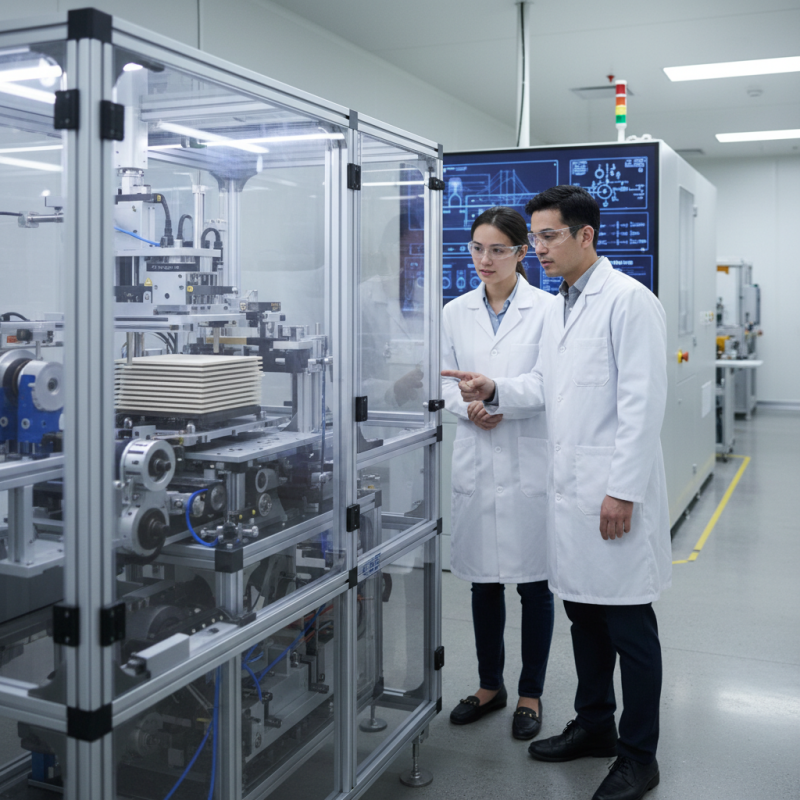
Understanding LTCC Stacking Machines: A Comprehensive Overview
LTCC stacking machines play a crucial role in the production of advanced electronic components. These machines help in stacking layers of low-temperature co-fired ceramics, ensuring precision and efficiency. Understanding their function is essential for manufacturers aiming for high-quality outputs.
Choosing the right LTCC stacking machine involves several factors. Pay attention to the machine's alignment capabilities. Misalignment can lead to defects in the final product. Additionally, consider the ease of operation. A user-friendly interface can significantly reduce training time for new operators. Machine reliability is also paramount. Downtime can result in lost productivity and increased costs.
Another critical aspect is the machine’s adaptability to various materials. Different projects may require unique ceramic blends. It's also essential to assess the after-sales support offered by manufacturers. Good support can save time and resources in the long run. Reflect on these points when selecting the best LTCC stacking machine for your production needs.
Top 5 Metrics for Evaluating LTCC Stacking Machines
Key Factors to Consider When Selecting an LTCC Stacking Machine
When selecting an LTCC stacking machine, various key factors come into play. It's crucial to assess the machine's compatibility with specific LTCC materials. Industry reports indicate that nearly 70% of production issues stem from material mismatches. Ensure the machine can handle the dimensions and types of dielectric materials you intend to use.
Another important aspect is the machine's speed and efficiency. According to a recent survey by the Electronic Manufacturing Alliance, machines with higher throughput can lead to an increase in production efficiency by up to 40%. However, speed should not compromise quality. Understand how the machine maintains precision during rapid processes.
Consider the maintenance and support services available with the machine. A reliable maintenance schedule can prevent disruptive downtime. It is estimated that machines with good support can reduce repairs and maintenance costs by up to 30%. Ultimately, investing in a stacking machine is integral to long-term production success. Balancing speed, quality, and support is essential for making an informed choice.
Top 5 Tips for Choosing the Best LTCC Stacking Machine
| Feature | Description |
| Stacking Capacity | Consider the maximum number of layers the machine can handle effectively. |
| Speed | Evaluate the production speed required to meet your manufacturing needs. |
| Ease of Use | Look for user-friendly interfaces that simplify operation and reduce training time. |
| Cost of Maintenance | Consider the ongoing costs associated with maintaining the machine. |
| Space Requirements | Ensure the machine fits your available factory space without compromising workflow. |
Evaluating Technical Specifications of LTCC Stacking Machines
When evaluating the technical specifications of LTCC stacking machines, several key factors come into play. Start with the material compatibility. Different machines handle various substrate materials. Make sure the machine suits your project's specific needs. The precision of the stacking process is also crucial. A machine that provides consistent accuracy can significantly enhance the quality of your final product.
Another important aspect is the machine's throughput. Assess how many layers it can process within a given time frame. Higher throughput can lead to increased efficiency but may compromise accuracy. Consider the machine's ease of use as well. User-friendly interfaces can save time and reduce errors in the stacking process.
It's important to reflect on your production environment. Some machines may require specific conditions to operate optimally. The maintenance requirements shouldn’t be overlooked. A machine with lower maintenance needs could save costs in the long run. Conduct thorough research and consult experts before making a decision.
Assessing Manufacturer Reliability and Support Options
When choosing a LTCC stacking machine, evaluating the manufacturer’s reliability is crucial. A dependable manufacturer offers not just a quality product but also ongoing support. Conduct research to assess their track record. Look for testimonials or case studies from previous clients. This insight provides a clearer picture of their capabilities.
Another vital aspect is support options. Ensure the manufacturer provides comprehensive service packages. Some might offer on-site installation assistance, while others provide extensive training resources. Accessibility to technical support can make a huge difference. Quick responses to issues are essential. Look for clear channels of communication.
Additionally, consider long-term commitments. Equipment longevity often relies on the company's dedication to customer service. If a manufacturer has a history of maintaining relationships, it speaks volumes. Reliability is not just about the machine; it's about the entire experience. Aim to partner with manufacturers who prioritize their reputation and customer satisfaction.
Budgeting for LTCC Stacking Machine Purchase and Maintenance Costs
When investing in an LTCC stacking machine, budgeting is crucial. The initial purchase price can vary significantly based on features and specifications. It’s important to list all potential costs upfront.
Beyond the purchase, maintenance can add to overall expenses. Regular upkeep enhances the machine’s lifespan and ensures efficiency.
Consider the costs of spare parts and potential upgrades. Setting aside a budget for these elements is wise. Training for operators may also be necessary, adding to your overall plan.
Be prepared for unexpected costs that could arise from repairs or operational inefficiencies.
Thinking about the long-term effects of your budget is vital. It’s easy to overlook future expenses when only focusing on the upfront cost. However, this can lead to financial strain later.
Balancing initial costs with ongoing maintenance can help maintain stability in your operations, reinforcing the importance of a thoughtful financial approach.