2026 Best Fiberglass Mesh Machine Which One to Choose?
Choosing the right fiberglass mesh machine is crucial for manufacturers. In recent years, the fiberglass mesh industry has experienced substantial growth, with a projected market value reaching $8 billion by 2026. Manufacturers are eager to select machines that enhance productivity and reduce waste.
Various models present different capabilities. Some machines focus on speed, while others emphasize precision. According to the 2022 Global Fiberglass Market Report, efficiency can vary tremendously, affecting production costs. A machine's performance can influence profitability directly.
However, not all machines suit every business. Factors like scalability and maintenance play vital roles. Businesses often overlook these aspects, leading to difficulties down the line. It is essential to reflect on specific production needs and goals to avoid common pitfalls in machine selection. Choosing wisely will impact long-term success in an evolving market.
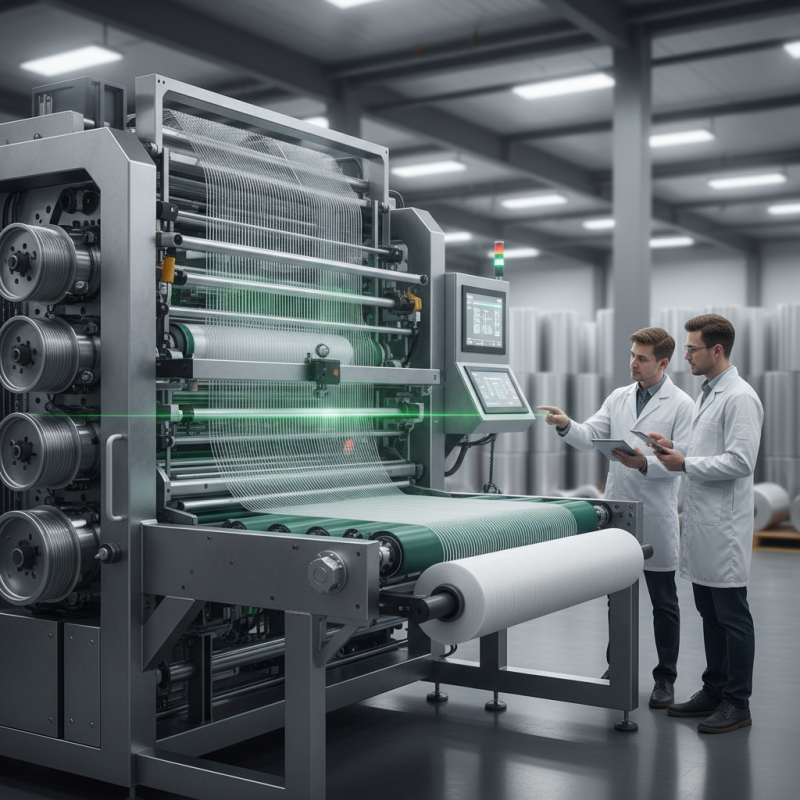
2026 Fiberglass Mesh Machine Overview: Key Features and Benefits
When exploring the best fiberglass mesh machines for 2026, understanding key features and benefits is crucial. One notable aspect is production capacity. Most machines can produce between 50 to 300 meters of mesh per hour. However, some users report that reaching high-capacity outputs often leads to quality issues. This trade-off needs careful consideration.
Durability and maintenance are also vital. Many machines feature robust frames, ensuring longevity. Yet, wear and tear can become apparent after extensive use. A comprehensive maintenance plan is essential to mitigate unexpected downtime. Research shows that regular upkeep can increase machine lifespan by 30%.
Operational efficiency is another critical factor. Machines equipped with automatic cut-off features often yield better results. Data indicates that streamlined operations can reduce labor costs by roughly 20%. Still, some operators find themselves struggling with settings and adjustments. This inconsistency can lead to wasted resources and delays. Ultimately, the choice of a fiberglass mesh machine hinges on balancing speed, quality, and reliability.
Market Trends: Fiberglass Mesh Production in 2026 and Beyond
As we look at fiberglass mesh production trends in 2026, it's evident that the demand is rising. Many industries rely on fiberglass mesh for its strength and durability. The construction sector, in particular, is expected to drive much of this growth. Reinforced structures are becoming the norm in modern buildings.
New technologies are emerging to improve efficiency in fiberglass mesh manufacturing. Automation is playing a key role. Machines are becoming smarter, making processes faster and less labor-intensive. However, not all innovations are adopted smoothly, often leading to hiccups in production schedules. Manufacturers must be prepared for trials during this transition phase.
Sustainability is also a growing concern. Eco-friendly materials are becoming more popular in mesh production. Yet, the shift is not without challenges. There are still significant hurdles, like sourcing sustainable raw materials. Companies will need to address these issues as they evolve. Balancing efficiency and sustainability will be crucial in navigating the future landscape of fiberglass mesh production.
2026 Best Fiberglass Mesh Machine - Market Trends: Fiberglass Mesh Production in 2026 and Beyond
| Dimension | Value | Growth Rate (2026) | Market Share (%) | Key Applications |
| Production Capacity | 1,200 tons/year | 8% | 22% | Construction, Automotive |
| Average Cost | $50,000 | 5% | 15% | Electrical, Aerospace |
| Market Size | $300 million | 10% | 30% | Reinforcements, Insulation |
| Primary Markets | North America, Europe | 7% | 35% | Composites, Infrastructure |
Comparative Analysis: Top Brands and Models of Fiberglass Mesh Machines
When choosing the best fiberglass mesh machine, understanding the features is crucial. Not all machines offer the same capabilities. Some models excel in speed, while others focus on precision. Analyzing customer reviews helps to gauge reliability. Look for specific feedback about performance and durability.
Tip: Check if the machine offers customizable settings. Adjustability can greatly enhance production efficiency.
Inherent challenges exist in the selection process. You may find it difficult to determine what size machine fits your needs. Evaluate the workspace and production volume. An oversized machine may lead to wasted space and budget. Conversely, a smaller unit might not handle your workload effectively.
Tip: Always consider future needs. The right choice now may not serve you well later. Investing in a scalable option can save money in the long run. Pay attention to support and maintenance services too. When machines break down, quick support is invaluable.
Technical Specifications: What to Look for in a Fiberglass Mesh Machine
When choosing a fiberglass mesh machine, technical specifications are crucial. Start with production capacity. A machine with higher output can save time and increase efficiency. Look for machines that offer flexibility in mesh sizes. This feature allows for various applications and customer needs.
Material quality is another important aspect. A durable machine with robust components will ensure longevity. Pay attention to the power consumption as well. Machines that are energy-efficient can lower operational costs, but often, efficiency comes at a higher initial price. Consider if that investment aligns with your budget.
Don’t forget about the user interface. A complicated setup may lead to mistakes. Simple controls can enhance the production process, but be wary of over-simplicity. It might lack essential features. Prioritize finding a balance between usability and functionality. Investing time in research can make a significant difference in long-term satisfaction.
Cost-Benefit Analysis: Investing in a Quality Fiberglass Mesh Machine
When considering a fiberglass mesh machine, evaluating the cost-benefit ratio is essential. A quality machine may have a higher upfront cost. However, it often leads to significant savings over time. For example, investing in a robust machine can decrease production downtime. It can also improve the overall quality of the output. These factors can greatly influence profitability in the long run.
While a cheaper machine may seem attractive, it often comes with hidden costs. Frequent repairs, lower efficiency, and reduced output quality can add up quickly. It's not just about the purchase price; consider maintenance and operational costs as well. You'll likely find that a more expensive, reliable option pays off in fewer issues.
One must also reflect on their specific needs. Not every machine suits every production environment. Assessing the volume of production, materials used, and desired output quality is crucial. This process may reveal that a machine that seems perfect on paper may not fit the actual workflow. Finding the right balance between cost and quality may require some trial and error.