2026 Best Smart Tag GPS Tracker for Global Buyers
Choosing the 2026 Best Smart Tag Gps Tracker requires more than comparing prices and battery claims. Global buyers need dependable location updates across borders, crowded cities, airports, warehouses, and remote roads. IoT Analytics reported approximately 18.8 billion connected IoT devices worldwide at the end of 2024. Its forecast points toward continued expansion in 2025. This growth raises expectations for smaller, smarter, and more reliable tracking hardware.
Market research also supports this demand. Grand View Research identifies strong growth in the global GPS tracking device market, driven by logistics, personal safety, and asset monitoring. However, market forecasts vary between research firms. That difference matters. A tracker advertised as “global” may support only selected LTE bands or limited roaming partners. Buyers should check regional network compatibility, LTE-M or NB-IoT support, satellite-assisted positioning, and subscription coverage before ordering.
This guide evaluates each Smart Tag Gps Tracker through practical details. We examine location accuracy near concrete buildings, battery performance during daily movement, waterproof protection, alert speed, app stability, and setup clarity. A tracker should show a child’s backpack or a suitcase within a useful location range, not merely display impressive laboratory figures. Independent specifications, manufacturer documentation, and user feedback will support the comparison. Still, no device performs perfectly. Thick walls, weak signals, crowded networks, and poor phone settings can reduce accuracy. That limitation deserves honest attention. The best choice is not always the most expensive model; it is the tracker that matches the buyer’s country, mobility pattern, privacy expectations, and support needs.
What Is a Smart Tag GPS Tracker?
2026 Best Smart Tag GPS Tracker for Global Buyers
What Is a Smart Tag GPS Tracker?
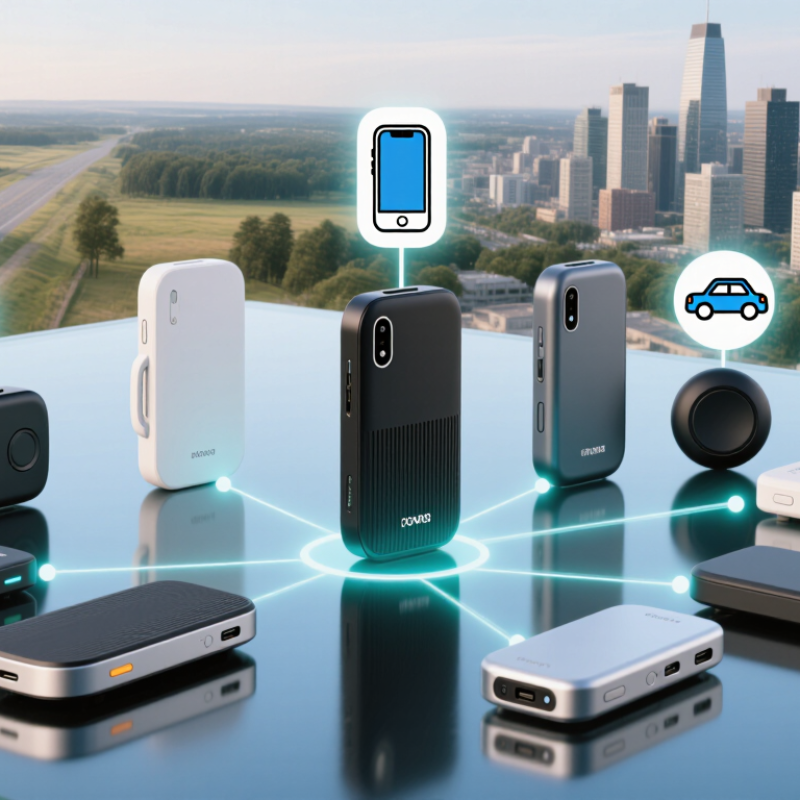
A smart tag GPS tracker is a compact device that helps locate people, vehicles, luggage, or equipment. It usually combines GNSS positioning with cellular, Wi-Fi, or Bluetooth signals. GNSS calculates outdoor location, while nearby Bluetooth devices can assist indoors. Cellular networks then send location data to a mobile application.
The difference matters. A simple smart tag may depend on nearby phones, while a GPS tracker often includes its own SIM or eSIM. In practical use, this means broader coverage but higher power consumption and possible subscription fees. Small details matter. Check LTE bands, roaming support, battery life, water resistance, and update frequency before buying internationally. Indoor accuracy can still disappoint.
Industry data shows why this category is growing. IoT Analytics reported 16.6 billion connected IoT devices worldwide at the end of 2023. GSMA Intelligence projects about 29.5 billion IoT connections by 2030. These figures describe the wider IoT market, not GPS tags alone, but they show expanding network infrastructure. A tracker is only as reliable as its weakest link. Weak cellular coverage, crowded buildings, and delayed app updates can create false confidence. I would also question unusually precise claims. Real-world performance changes with weather, terrain, network congestion, and device placement. Check the technical specifications carefully.
How Smart Tag GPS Tracking Technology Works
Smart tag GPS tracking combines satellite positioning, cellular communication, Bluetooth, and a mobile application. The tag’s GNSS receiver listens for signals from orbiting satellites. It then estimates location by comparing signal timing from several satellites. In open areas, this process may produce accurate outdoor positioning. Tall buildings, underground garages, heavy tree cover, and metal containers can reduce accuracy.
The tag sends its location through a cellular network to a secure tracking platform. A phone application displays the position, movement history, battery level, and alerts. Some devices use Bluetooth nearby, which can save battery and improve indoor detection. Assisted positioning may also speed up the first location fix. I have found that network roaming is a practical concern for international buyers. A tag can support many regions, yet coverage, local frequency bands, data plans, and service agreements still differ.
Battery capacity affects tracking frequency. Frequent updates provide richer movement details but drain power faster. Longer intervals extend battery life, though the location becomes less current. Buyers should check charging methods, weather resistance, satellite support, and data protection policies. GPS is not magic. A location point can be delayed or slightly wrong, especially inside buildings. Responsible users should also obtain consent before tracking people or personal property. That part is sometimes overlooked. Clear instructions, visible ownership information, and limited data retention make the technology more reliable in daily use.
2026 Best Smart Tag GPS Tracker for Global Buyers
How Smart Tag GPS Tracking Technology Works
Smart tags typically combine GNSS, Wi-Fi positioning, Bluetooth Low Energy, and cellular network data. GNSS provides outdoor location, while Wi-Fi, Bluetooth, and cellular positioning help estimate a tag’s location indoors or where satellite signals are obstructed. The chart shows representative midpoint accuracy values for common positioning methods; lower values indicate more precise positioning.
Typical accuracy ranges used: GNSS 5–10 m, Wi-Fi 10–30 m, Bluetooth Low Energy 1–10 m, and cellular positioning 100–1,000 m. Actual results vary with signal conditions, antenna design, buildings, and network coverage.
Key Features for Global Buyers to Compare
Global buyers should compare network reach before appearance or app design. A GPS smart tag needs GNSS positioning and cellular backup, not Bluetooth alone. GSMA’s The Mobile Economy 2024 reports about 4.6 billion mobile internet users worldwide, but coverage remains uneven across rural and cross-border routes. Check supported bands, roaming regions, and local shutdown risks before purchase. A low-cost device can become useless after crossing a border.
Battery performance needs practical testing. Look for replaceable batteries, low-power standby modes, and clear tracking intervals. Frequent location updates consume more power. A device promising months of use may last far less in weak-signal areas. Compare IP67 or IP68 protection, operating temperatures, and charging-port seals. These details matter near rain-soaked luggage, dusty vehicles, or crowded ports. GSMA Intelligence’s IoT forecasts show connected devices continuing to grow rapidly, so network congestion and subscription terms deserve attention too.
Security is not optional. Select encrypted location transfers, two-factor account protection, permission controls, and transparent data retention policies. Privacy guidance from the NIST Cybersecurity Framework supports access control, monitoring, and timely software updates. Ask whether alerts still work when cellular service disappears; some tags only show the last known position. Test the tracker in a basement, an airport bag, and a moving vehicle. My own comparison would not trust a single advertised battery figure. Real routes are messier.
Best Use Cases Across Countries and Travel Scenarios
2026 Best Smart Tag GPS Tracker for Global Buyers
Travel conditions change sharply across countries. A tracker should match the journey, not just the suitcase. SITA’s Baggage IT Insights 2024 reported 6.9 mishandled bags per 1,000 passengers in 2023. That makes luggage tracking useful during airport transfers, hotel changes, and delayed connections. In Europe, cellular coverage is often consistent. Remote routes in Africa, Asia, or South America may require stronger roaming support and longer battery life. GPS can locate an item outdoors, but indoor accuracy may weaken. Bluetooth signals can help nearby, yet they depend on passing devices. No single method works perfectly.
For family travel, attach the tracker inside a child’s backpack, not visibly outside. For business trips, place it in checked luggage or equipment cases. Road travelers can monitor bags left in rental vehicles, especially during short stops. Cruise passengers should check network availability before sailing. The GSMA Mobile Economy 2024 report identified more than 5.5 billion mobile internet users worldwide, but coverage quality still varies by region. A global buyer should examine supported cellular bands, roaming fees, app language, battery replacement, and local privacy requirements. I would not trust one location reading blindly. Weather, buildings, and airport structures can distort it.
Tips: Test the tracker before departure. Record its last known location manually. Set movement alerts during transfers. Choose a model with replaceable power or dependable multi-week battery life. Keep contact details inside the luggage too; technology can fail at the worst moment.
How to Choose the Right Smart Tag GPS Tracker in 2026
Choosing the right smart tag GPS tracker in 2026 starts with real travel conditions. A device that works well near your home may fail in rural areas, airports, or overseas. Check its cellular technology, roaming coverage, and network partnerships for each destination. GPS locates the tag outdoors, but nearby phones or Wi-Fi may improve indoor updates. Ask how often the location refreshes. Frequent updates can reduce battery life quickly.
Battery performance matters more than a long specification sheet. Look for a replaceable or rechargeable battery, low-power settings, and clear battery alerts. Water and dust resistance help when a tag sits inside wet luggage or attaches to outdoor equipment. I also inspect the app before buying. Location history should be easy to read, alerts should arrive reliably, and the setup should not require technical skills. Small delays still happen.
Privacy deserves equal attention. Choose a tracker with secure account access, transparent data storage, and a clear deletion policy. Use tracking only with proper consent, especially when belongings involve other people. Global buyers should also check local radio approvals, mobile service limits, and regional privacy requirements. Subscription fees can change the real cost. A cheap device may become expensive after twelve months. No tracker is perfect. I still test mine near buildings and during transit, then keep a backup contact method. Manufacturer support, firmware updates, and independent testing records can reveal more than attractive advertising.