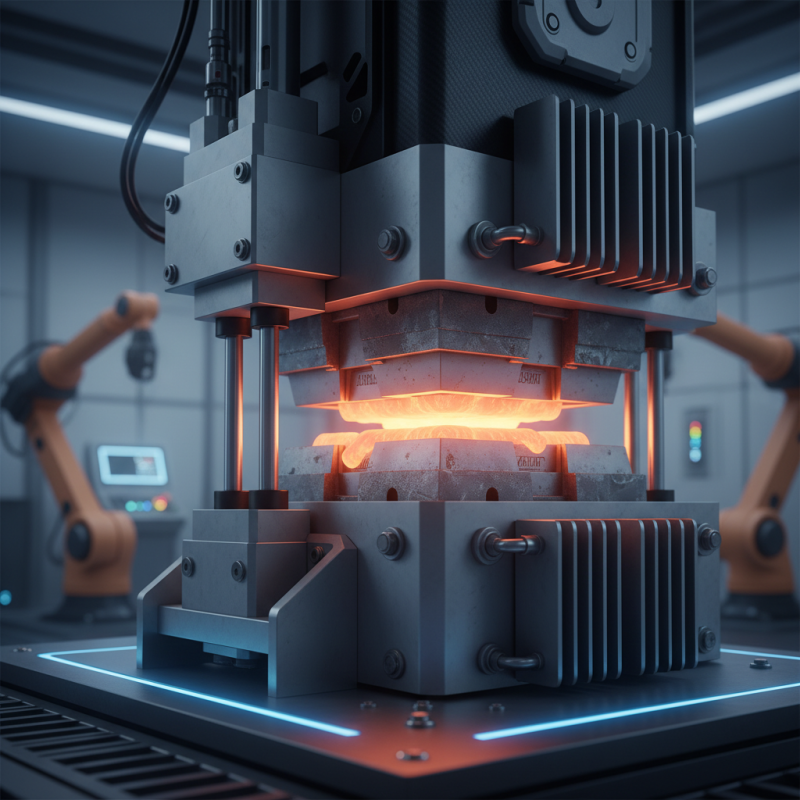
2026 Top Hot Pressing Device Innovations What Buyers Need to Know
In the ever-evolving world of manufacturing, the Hot Pressing Device stands out as a key innovation. Experts emphasize its critical role in various industries, from automotive to aerospace. Dr. Emily Han, a renowned specialist in material science, notes, “Hot Pressing Devices are revolutionizing how we process advanced materials.”
These devices combine heat and pressure, ensuring enhanced material properties. Buyers must acknowledge the rapid advancements in technology within this sector. Each new model presents improved efficiency and precision. However, not every innovation may suit every application. Users must carefully assess their specific needs.
Let’s explore the latest trends shaping the Hot Pressing Device landscape. What features should buyers prioritize? Understanding the nuances can lead to better investment decisions. Ultimately, the right choice can significantly impact production quality.
Overview of Hot Pressing Devices in 2026
In 2026, the hot pressing device market showcases significant advancements. Buyers can expect improved energy efficiency and enhanced performance. These innovations cater to a variety of industries, from manufacturing to automotive. The devices now use advanced materials that increase durability and reduce wear.
One trend is the integration of smart technology. Users can monitor functions in real-time through mobile applications. This feature allows for quick adjustments, but it also raises concerns about cybersecurity. Moreover, the learning curve for operating these devices can be steep for less experienced users. Buyers should consider the potential need for training.
Another consideration is the versatility of these devices. Some models can handle multiple materials, expanding their utility on the production floor. However, this versatility may lead to more complex maintenance requirements.
Understanding the specific needs of your operation is critical. Assessing your workload and capabilities ensures you choose the right device without overspending.
Key Innovations in Hot Pressing Technology
Hot pressing technology is rapidly evolving, driven by demand for efficiency and sustainability in manufacturing. Recent industry reports suggest that the global hot pressing market will reach $3 billion by 2026. Innovations are focused on enhancing energy efficiency and reducing cycle times. For instance, new designs deliver up to 30% more energy efficiency compared to traditional models, allowing manufacturers to decrease operational costs and environmental impact.
Precision in temperature control is another key focus in hot pressing technology. Advanced temperature management systems are now capable of maintaining ±1°C consistency. This level of precision reduces material waste and defects, ensuring higher quality end products. Despite these advancements, some manufacturers struggle to adapt to new technologies, citing cost concerns and the need for extensive training. This mismatch may hinder the full realization of available innovations in hot pressing.
Additionally, automation plays a significant role in the latest developments. The integration of AI technology improves production speed and accuracy. Automation can lead to a reduction in labor costs but requires ongoing investment. This introduces a dilemma for smaller manufacturers that may not afford such upgrades. As technology progresses, staying informed about key innovations becomes essential for buyers aiming to remain competitive in the evolving landscape of hot pressing.
Factors Buyers Should Consider When Choosing a Device
When selecting a hot pressing device in 2026, several factors are crucial for buyers. Understanding the technology behind these devices is essential. Recent market analysis indicates that efficiency and precision are paramount. A report by Industry Insights revealed that 75% of manufacturers prioritize energy efficiency in their equipment choices. Devices that offer higher energy efficiency can lead to substantial cost savings over time.
Another significant aspect is the size and capacity of the device. For large-scale operations, larger devices may be necessary. However, smaller businesses might find compact models to be a better fit. Flexibility in usage can also enhance operational efficiency. A study from the Materials Research Forum showed that devices with adjustable pressing parameters perform better under varying material conditions.
Buyers should also consider the ease of maintenance. A device that is cumbersome to maintain can lead to extended downtimes. Recent surveys indicate that 60% of users reported experiencing frequent issues with complex machinery. These challenges put pressure on production schedules. Additionally, staying updated on safety standards is critical. Burnout and material damage can occur with outdated safety features, resulting in costly repairs.
Comparative Analysis of Leading Brands and Models
In the competitive landscape of hot pressing devices, buyers face numerous choices. Recent innovations focus on efficiency and precision, enhancing user experience. Various brands offer models designed for specific applications, from textiles to composites. Each brand presents unique features, which can be overwhelming.
A comparative analysis shows distinct strengths among leading devices. Some prioritize speed, reducing cycle times significantly. Others emphasize energy efficiency, appealing to eco-conscious buyers. Additionally, user interfaces differ in complexity. Novice users may struggle with advanced settings, while seasoned operators appreciate customization. It's important to weigh these factors against user experience and application needs.
Despite impressive advancements, challenges remain. Not all innovations translate to real-world effectiveness. Some devices may have high initial costs that don’t justify potential savings. Furthermore, durability issues could arise in high-demand environments. Thorough research and hands-on testing are essential for making informed decisions.
Future Trends in Hot Pressing Device Development
As we look towards the future, the hot pressing device industry is witnessing significant innovations. Industry reports indicate that the global hot pressing market could grow by over 8% annually by 2026. Many manufacturers are increasingly focused on energy efficiency and sustainable materials. This shift reflects a growing demand for greener technologies across various sectors.
In addition, advancements in automation are taking center stage. Devices equipped with AI and machine learning improve precision and reduce waste. Some devices are expected to integrate seamlessly with IoT systems, providing real-time data and feedback. This is crucial for optimizing the pressing process. However, buyers should be cautious. Not all innovations translate to practical benefits.
The materials used in hot pressing are also evolving. Eco-friendly composites are gaining popularity. However, the long-term durability of these materials is still under scrutiny. It requires further research to ensure they meet industry standards. As the market develops, understanding both the benefits and limitations of these innovations will be vital for making informed purchasing decisions.