Top AR Smart Glasses Tips for Enhanced User Experience?
In the rapidly evolving field of AR Smart Glasses, enhancing user experience has become paramount. Dr. Emily Chen, a leading expert in augmented reality, emphasizes, "User experience is the backbone of effective AR implementation." This insight is crucial as companies strive to create truly immersive environments for users.
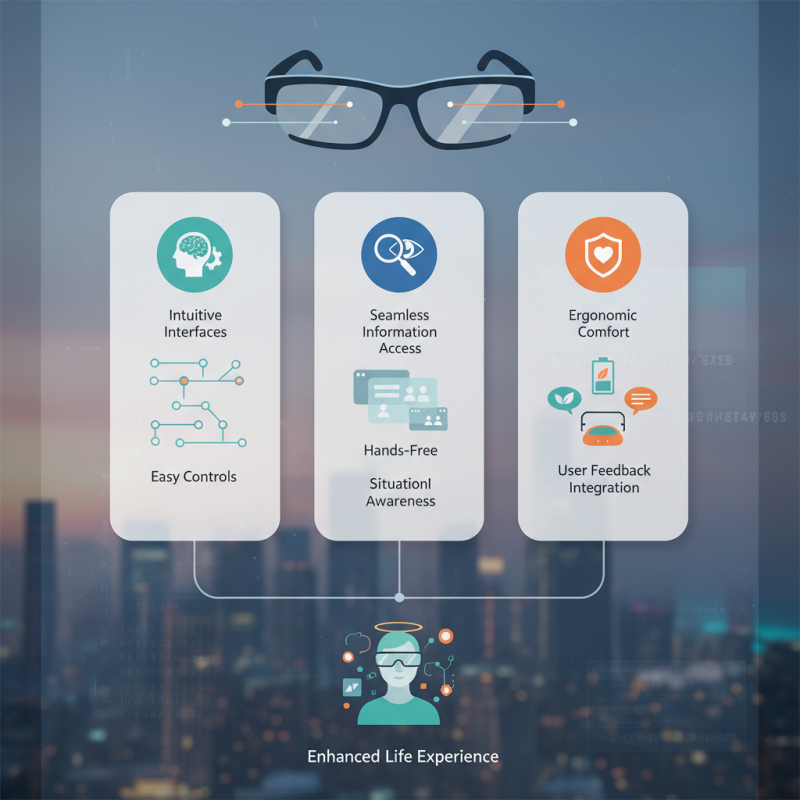
AR Smart Glasses have the potential to transform everyday interactions. Users can access information hands-free while remaining engaged in their surroundings. However, achieving this balance is challenging. Designing intuitive interfaces is essential but often overlooked. Users frequently report confusion over controls and navigation. It’s clear that many devices fall short of user expectations.
Moreover, the durability and comfort of AR Smart Glasses often lead to user complaints. Heavy designs or poor battery life can hinder prolonged use. These flaws remind developers that improvements are always necessary. A focus on ergonomic design and sustainable technology could elevate the AR experience. Embracing feedback will enable creators to refine their products. Ultimately, the goal is to ensure that AR Smart Glasses enhance lives, rather than complicate them.
Understanding the Basics of AR Smart Glasses and Their Functionality
Augmented reality (AR) smart glasses are changing how we interact with technology. These devices overlay digital information onto the real world. They aim to enhance user experience in various fields like healthcare, gaming, and education. According to a recent report, the AR market is expected to grow significantly, reaching an estimated value of $198 billion by 2025. This rapid growth highlights the increasing adoption of AR technology.
Understanding how AR smart glasses work is crucial. They combine elements like cameras, sensors, and displays to create immersive experiences. Users can access information directly in their line of sight. For instance, in medical settings, doctors can view patient data during surgeries. However, the complexity of these devices often leads to user confusion. Some find it challenging to navigate interfaces. Training and intuitive design are needed for better usability.
Data indicates that around 80% of users faced challenges with initial setup and functionality. Feedback reveals that simplicity is key. Many desire more user-friendly options with clearer instructions. As technology evolves, addressing these issues will be vital. Enhancing user experience requires constant refinement and user input.
Top AR Smart Glasses Tips for Enhanced User Experience
| Feature | Description | User Benefit |
| Display Quality | High-resolution lenses that create clear and vibrant visuals. | Enhanced clarity improves the overall AR experience. |
| Field of View | Wider field of view allows for immersive interaction with virtual elements. | Increased engagement with digital content. |
| Voice Control | Allows users to interact with the device hands-free. | Convenience and accessibility for seamless navigation. |
| Battery Life | Long-lasting battery for extended usage without frequent recharging. | More time for immersive experiences without interruptions. |
| Ergonomics | Lightweight and comfortable design for prolonged wear. | Reduced strain during extended usage periods. |
Key Features to Look for in AR Smart Glasses for Optimal Performance
When selecting AR smart glasses, key features can significantly affect performance. Consider the display quality. High-resolution screens deliver clearer images and enhance realism. Look for glasses that offer a wide field of view. A larger viewing area immerses users more in their environment. Battery life matters too. Extended use requires glasses that can last without frequent charging.
Comfort is often overlooked. Smart glasses should be lightweight and adjustable. Heavy designs can lead to fatigue during long sessions. Check the user interface as well. Intuitive controls make navigating easier. Voice commands can enhance hands-free experience, but they don’t always work flawlessly. Voice recognition may struggle in noisy settings.
Connectivity options play a crucial role. Multiple connectivity options ensure compatibility with various devices. Poor connection can disrupt experiences. Additionally, privacy features are essential in today’s tech landscape. Users should feel safe while utilizing these devices. While many features seem promising, they may not always perform as expected. These aspects need consideration for enhancing overall user satisfaction.
Tips for Customizing Your AR Experience for Personal Preferences
Customizing your AR experience can greatly enhance engagement and comfort. Start by adjusting the brightness. Too bright? It can strain your eyes. Find a level that feels natural regardless of ambient lighting. Another adjustment is the field of view. A wider view can be immersive, but it may also feel overwhelming. Experiment until you strike a balance.
Audio settings are also crucial. Clear sound improves understanding of augmented elements. However, loud audio can lead to fatigue. Spend time tuning these preferences to your comfort level. Consider creating profiles for different activities. A gaming profile may prioritize visuals, while a work mode can focus on clarity.
Personalization doesn’t stop at settings. Organize your apps. Place frequently used features on your main screen. This streamlines access but may also lead to clutter in the long term. Regularly reflect on what you use versus what you don't. Continuous adaptation can ensure your AR experience stays relevant and enjoyable.
Best Practices for Maintaining and Caring for Your AR Smart Glasses
Taking care of AR smart glasses is essential for their longevity. Cleanliness plays a vital role. Use a microfiber cloth to wipe the lenses. This prevents scratches and maintains clarity. Frequent cleaning is beneficial, especially if you use your glasses daily. Dust and fingerprints can decrease your viewing experience significantly.
Proper storage is equally important. Keep your AR smart glasses in a case when not in use. This will shield them from accidental damage. Avoid leaving them in direct sunlight for long periods. Exposure can damage the internal components. Remember to remove any batteries if you aren’t planning to use them for a while.
Consider checking for software updates regularly. Keeping the firmware current enhances usability and security. Sometimes, minor glitches can occur. Don’t hesitate to restart the device if it acts up. Regular maintenance is key to a smooth experience. These practices ensure your AR smart glasses remain in top form.
Exploring Popular Applications and Use Cases for AR Smart Glasses
AR smart glasses are revolutionizing various sectors. In healthcare, surgeons use these glasses for real-time data. They can overlay patient information directly onto their field of view. This improves accuracy during procedures. However, not all users find it easy to adapt. The learning curve can feel steep, and users may struggle at first.
In the retail space, AR glasses create immersive shopping experiences. Customers can visualize products in their living spaces before purchasing. This enhances decision-making but poses challenges. Users sometimes face technical glitches. These minor issues can frustrate customers. That said, the potential for increased satisfaction is significant. Being patient with technology is key.
In education, AR glasses transform traditional learning. Students can explore 3D models of historical artifacts or scientific concepts. This hands-on approach fosters engagement. Yet, many educators find it difficult to integrate this tech into curriculums. Training and resources are limited. Finding the balance between tech and traditional methods remains a challenge. Each application brings forth unique experiences and hurdles to overcome.