Top 10 Benefits of Living in a Prefab Container House?
In recent years, the concept of living in a Prefab Container House has gained traction. With their unique design and versatility, these homes offer a fresh approach to modern living. Many families and individuals are choosing prefab homes for their innovative layouts and eco-friendly potential.
One major benefit of a Prefab Container House is affordability. They often require less investment than traditional houses. People can save significantly on construction costs. However, the initial price might not include essential upgrades, which can surprise new homeowners.
Another appealing aspect is the speed of construction. A Prefab Container House can be assembled quickly. But this speed might lead to rushed decisions on layout and customization. It’s vital for homeowners to carefully plan before making these choices. Embracing this lifestyle brings its own set of challenges and reflections. While the benefits are clear, it’s important to consider the drawbacks of living in such unconventional spaces.
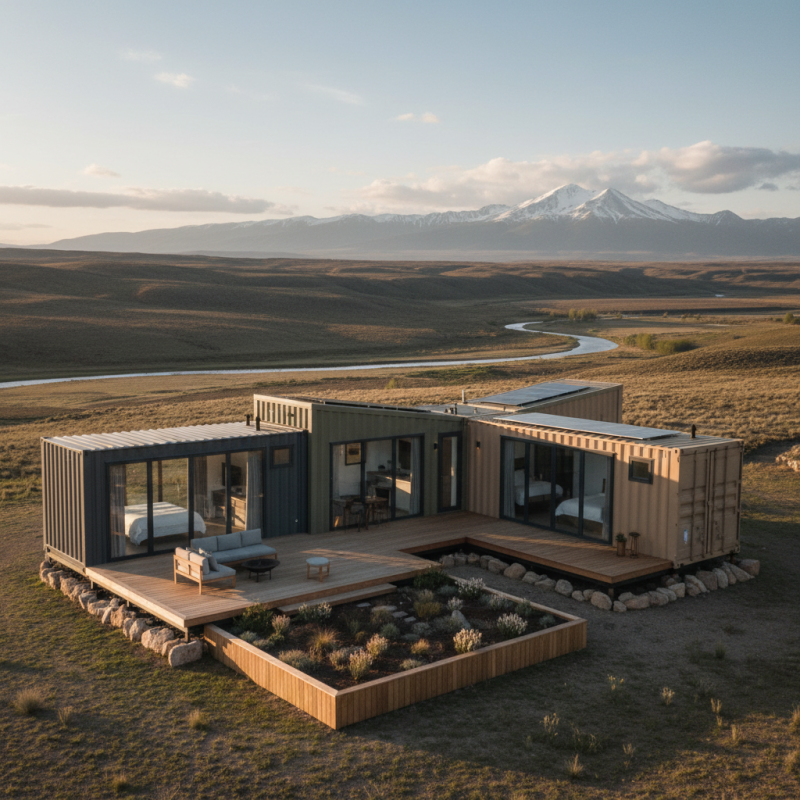
Advantages of Cost Efficiency in Prefab Container Houses
Prefab container houses are becoming popular for their cost efficiency. According to a report from Grand View Research, the modular construction market is projected to reach $157 billion by 2023. This trend highlights the growing appeal of affordable home options.
Living in a prefab container house can save up to 30% on construction costs. Traditional homes often come with high labor and material costs. In contrast, container homes require less time to construct. This efficiency can reduce labor expenses by nearly 40%. Many people appreciate the quicker turnaround from design to move-in.
Furthermore, these homes often promote sustainability. The use of recycled materials helps reduce waste. In fact, a study from the World Green Building Council indicates that sustainable building practices can lower energy costs by 20%. However, not all prefab houses are built equally. Potential buyers should consider insulation, design, and long-term durability. Each decision impacts overall value and satisfaction.
Eco-Friendly Aspects of Living in a Container Home
Living in a container home has many eco-friendly benefits. These homes are often made from recycled materials, reducing waste. They require less energy to cool or heat due to their compact design. Many people appreciate this as it lowers their carbon footprint. Container homes can also be solar-powered. This sustainable choice allows for energy independence.
However, there are challenges to consider. Not all areas allow container homes, which can limit options. Some may find the insulation less effective in extreme weather. Proper ventilation is crucial, yet it’s often overlooked. You have to address these concerns during the design phase.
Container homes promote sustainable living, but they need careful planning. Location and climate play key roles in their success. When built thoughtfully, they can be a green alternative, merging modernity with nature. It’s essential to reflect on these aspects before making a decision.
Flexibility and Customization Options in Container House Design
The flexibility in container house design is one of its most appealing features. Homeowners can modify their spaces to suit their personal needs. This customization can range from altering layouts to adding features like large windows or green roofs. According to a report from the World Economic Forum, modular construction methods, such as container homes, can reduce building time by up to 50%. This means quicker delivery of customized living spaces.
Choosing the right design is crucial. Container houses can easily reflect individual styles. Some users opt for open concept layouts, while others prefer distinct rooms. Incorporating sustainable materials adds a unique touch and can also lower eco-impact. Many homeowners are now integrating solar panels or rainwater harvesting systems. These choices enhance both the functionality and aesthetics of container homes.
**Tip:** When designing your container house, think about your future needs. Will your family grow? Will you start working from home? Planning for these changes can save time and money later.
The creative potential is vast, yet it can also be overwhelming. Some people struggle with decision paralysis. The options are plentiful, but finding what truly fits your lifestyle takes time. It’s important to reflect on what aspects of design are essential versus what is simply trendy.
Top 10 Benefits of Living in a Prefab Container House
Speed of Construction and Occupancy for Prefab Structures
Prefab container houses are becoming increasingly popular due to their speedy construction and quick occupancy. According to a report by the International Organization for Migration, prefabricated structures can be completed up to 40% faster than traditional homes. This is crucial in areas needing rapid housing solutions, such as disaster zones or urban developments. Building from modules allows for simultaneous site preparation and factory manufacturing, significantly reducing overall project time.
Tip: Be sure to consider zoning laws before purchasing a prefab container. Local regulations can sometimes delay occupancy. It is also important to ensure that your design fits well within the required space.
Additionally, speed doesn't compromise quality. Many prefab homes boast enhanced durability and energy efficiency. Research by the National Institute of Standards and Technology suggests that these structures often outperform conventional homes in energy sustainability. With proper insulation and design, they can lead to lower energy bills, providing long-term savings.
Tip: Choose energy-efficient materials and technologies. This will enhance your home's performance and minimize environmental impact while maintaining a fast construction schedule. However, remember that not all prefab options are equally eco-friendly.
While prefab homes offer many advantages, site-specific challenges may arise. Factors like soil conditions or existing infrastructure can complicate installation. It’s vital to conduct a thorough site assessment to avoid unexpected delays.
Durability and Maintenance Benefits of Container Homes
Container homes stand out for their durability and low maintenance needs. According to a report by the National Association of Home Builders, homes made from steel, such as these containers, can last over 50 years with minimal wear. Steel is resistant to rot, pests, and extreme weather. This makes container homes a practical choice for various climates.
Maintenance becomes easier with container houses. Traditional homes often require frequent repairs and updates. In contrast, container homes need less upkeep. For instance, using corrugated steel prevents mold growth. This can reduce the need for regular inspections. Studies show that homeowners save approximately 30% on maintenance costs when opting for prefab container houses.
Challenges do arise. Some might question insulation options or energy efficiency. Not every container home is inherently energy-efficient. However, with proper design, they can achieve high-performance standards. Many architects recommend using insulated panels. This addresses comfort and energy usage concerns. So, while container homes are durable, awareness of their heating or cooling requirements is essential.
Top 10 Benefits of Living in a Prefab Container House
| Benefit | Description | Durability Rating (1-10) |
| Cost-Effectiveness | Lower construction costs compared to traditional homes. | 8 |
| Quick Assembly | Faster building time due to modular design. | 9 |
| Eco-Friendly | Utilizes recycled materials, reducing waste. | 9 |
| Low Maintenance | Minimal upkeep required, saving time and money. | 8 |
| Versatility | Can be customized for various living styles. | 7 |
| Energy Efficiency | Designed to support sustainable energy solutions. | 8 |
| Mobility | Easily relocated if needed, offering flexibility. | 6 |
| Weather Resistance | Built to withstand extreme weather conditions. | 9 |
| Innovative Design | Modern aesthetics that appeal to contemporary tastes. | 7 |
| Community Focus | Often part of larger sustainable living communities. | 8 |