Top 10 Benefits of Using a Spray Painting Line?
In the competitive world of manufacturing, efficiency is key. A Spray Painting Line offers numerous benefits that can significantly enhance production processes. According to a recent industry report by Paint & Coatings Magazine, companies using advanced spray painting technology see a 30% increase in throughput. This improvement highlights the potential of adopting modern solutions.
Expert John Smith, a leading authority in industrial coatings, emphasizes the importance of innovation. He states, "Embracing a Spray Painting Line can revolutionize your production capabilities." This sentiment resonates with many manufacturers looking to stay ahead. However, the transition to automated systems may pose challenges, such as initial costs and training requirements.
Despite these hurdles, the advantages are clear. Enhanced quality control, reduced waste, and faster turnaround times are just a few benefits. The Spray Painting Line is not just a tool; it’s a pathway to greater efficiency. Each facility must weigh its options carefully. The drawbacks shouldn’t deter businesses but rather inspire thoughtful implementation.
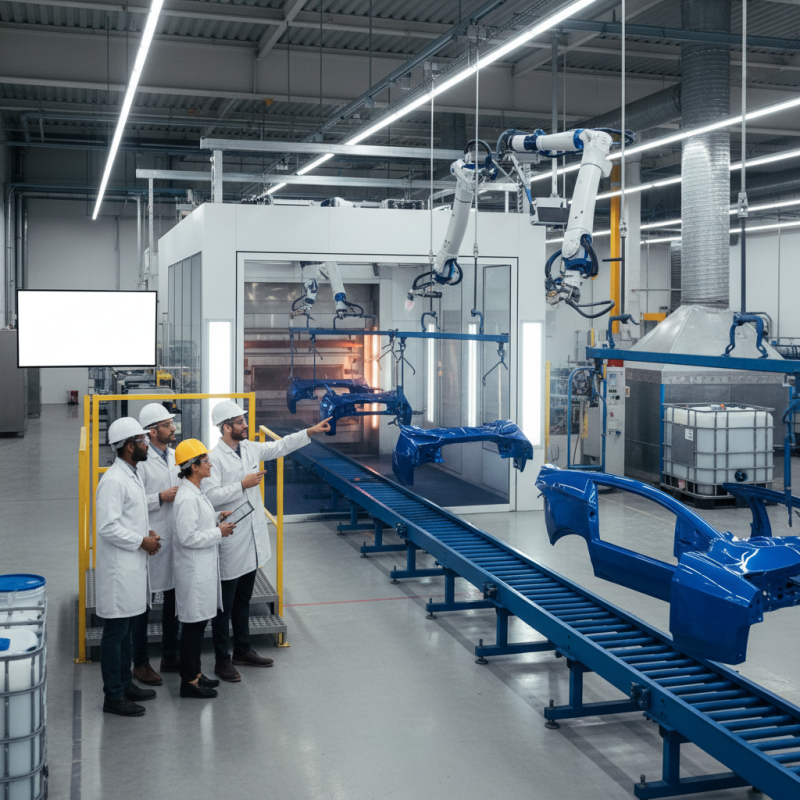
Benefits of Enhanced Efficiency in Production with Spray Painting Lines
Spray painting lines significantly boost production efficiency in various industries. Reports indicate that automation can enhance productivity by up to 75%. By streamlining workflows, these lines reduce handling time and increase output. The controlled environment ensures consistent paint application, which minimizes waste and rejects. This leads to reduced material costs over time.
Consider the energy consumption involved. Some facilities report a decrease in energy use by around 30% with spray painting lines. This translates into lower operational costs, ensuring savings that can be redirected into other areas. However, the initial setup costs can be high. Companies need careful planning to navigate potential financial constraints.
Tip: Regularly maintain your spray painting equipment. This not only reduces downtime but also keeps efficiency levels high.
One must also address the training of staff. Employees may need time to adapt to new technology. Investing in training programs can ease this transition and enhance overall production. However, it’s important to monitor performance continuously. Sometimes the system may not yield the expected results, requiring tweaks along the way.
Improved Quality and Consistency in Finish through Automated Systems
Automated spray painting lines significantly enhance the quality of finishes. According to a report by the Industrial Coating Association, automated systems can reduce defects by up to 30%. This stark improvement results from consistent application and precise control over the painting process. Manual methods often lead to variations in thickness and texture. These inconsistencies can turn a quality product into a disappointing one.
Furthermore, automated systems ensure uniform color distribution, which is vital in industries like automotive and furniture. Studies indicate that automated lines can achieve color accuracy within 2% deviation, compared to 10% with manual application. This level of precision not only elevates the final product but also minimizes rework and wasted materials. As companies aim to meet higher consumer expectations, automation becomes a crucial strategy.
However, integrating these systems is not without challenges. There can be a steep learning curve, and initial investments are substantial. Moreover, ongoing maintenance demands time and resources. Balancing automation benefits with operational complexities often requires careful evaluation. Companies must reflect on their capacity for change while assessing potential quality improvements.
Reduction of Material Waste and Cost Savings with Spray Painting Techniques
Spray painting techniques have revolutionized many industries. One of the most significant advantages is the reduction of material waste. Traditional painting methods often lead to excess paint being used. Spray painting minimizes this issue by delivering a fine mist. This precision reduces the amount of paint that splatters or drips. Manufacturers find this beneficial as it directly lowers their costs.
Cost savings become evident when businesses analyze their expenses. With less paint wasted, companies can budget more effectively. This leads to a healthier bottom line. Moreover, spray painting requires fewer touch-ups. However, the initial setup for spray lines can be complex. Many teams struggle during the transition phase. It's not just about equipment; training staff is essential too. Inadequate training may result in imperfect finishes, and this can lead to more waste. A balance is necessary, as finding the perfect technique requires time and patience.
Increased Flexibility for Various Surfaces and Applications in Manufacturing
In manufacturing, flexibility is crucial. Spray painting lines offer this adaptability across various surfaces and applications. They can handle metals, plastics, and wood easily. This capability streamlines production. You can switch between tasks without major downtime.
Customization is another key advantage. Different coatings can be applied quickly. This versatility helps meet diverse customer demands. However, some adjustments may require skilled operators. Training is essential to maximize efficiency.
Environmentally, spray painting lines can reduce waste. Modern systems use less paint and minimize overspray. Still, monitoring systems for quality control is necessary. Regular checks can reveal inefficiencies that need addressing. This balance between flexibility and precision is vital for a successful production line.
Safety Improvements and Health Benefits for Workers Using Spray Painting Lines
Using spray painting lines offers significant safety improvements and health benefits for workers. A recent study from the National Institute for Occupational Safety and Health indicates that modern spray booths can reduce inhalation exposure to harmful chemicals by up to 70%. This transformation is crucial, as many traditional methods expose workers to toxic fumes, leading to serious long-term health issues.
Moreover, these systems often incorporate advanced ventilation technology. Effective ventilation reduces overspray and airborne particulate matter. By controlling these elements, spray painting lines minimize the risk of accidents and respiratory issues. However, companies must remain vigilant. Routine maintenance is essential to ensure that these systems function optimally. A poorly maintained spray booth can negate these health benefits.
**Tip:** Regularly inspect spray equipment for leaks. Even small leaks can lead to increased exposure and potential health risks.
Employees must remember the importance of using personal protective equipment (PPE) despite improved systems. Helmets, gloves, and respirators play a vital role. A comprehensive training program on safety protocols is crucial. Companies should foster an environment where workers feel empowered to speak up about safety concerns.
**Tip:** Schedule frequent safety training sessions to reinforce the importance of using PPE correctly.
Top 10 Benefits of Using a Spray Painting Line