What are the Benefits of Using an ABA Blown Film Machine?
The aba blown film machine stands at the forefront of modern packaging technology. Its unique design allows for efficient production of multilayer films. These films are vital for various industries, including food and medical sectors.
Using an aba blown film machine offers numerous benefits. One significant advantage is enhanced film strength. The machine produces films that resist tearing and punctures. This durability translates to reduced waste and lower costs. Additionally, the multilayer capabilities allow for better barrier properties. Products remain fresher for longer. This is especially crucial in food packaging.
Despite its advantages, one must consider the initial investment. An ABA blown film machine may require a substantial upfront cost. However, the long-term savings in materials and waste reduction often justify this expense. Reflecting on these factors reveals the importance of careful planning when investing in technology.
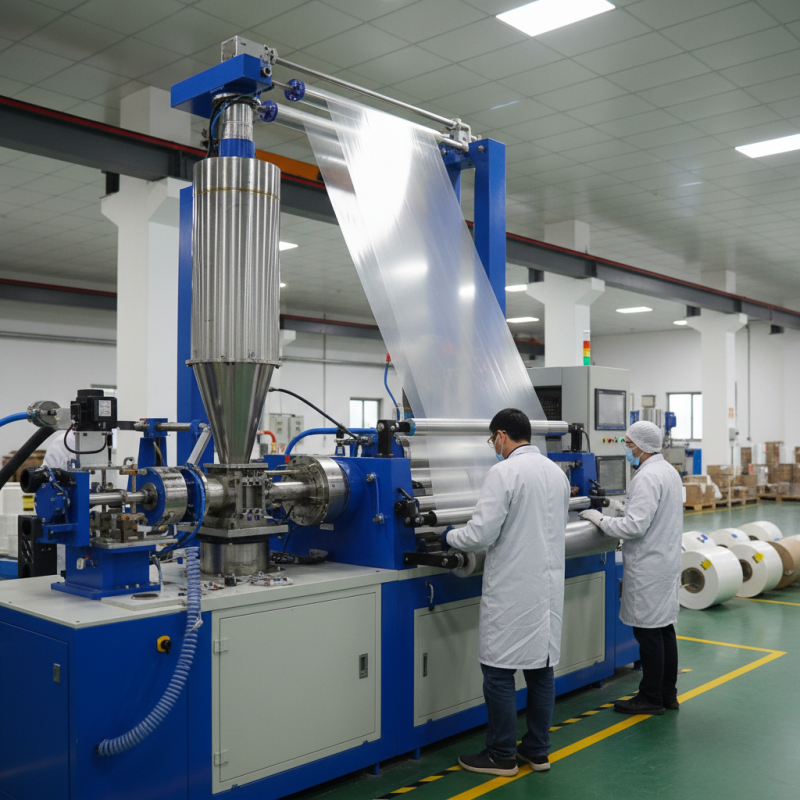
Benefits of Enhanced Material Strength and Durability in ABA Blown Films
ABA blown films are gaining popularity in various industries due to their impressive strength and durability. These films often exhibit enhanced material properties, leading to increased product lifespan. According to industry research, ABA films can show up to 25% more tensile strength compared to traditional films. This improvement translates to better performance in packaging applications, where puncture resistance is critical.
The multilayer structure of ABA blown films contributes significantly to their robustness. This design allows for better stress distribution, which helps prevent tearing. Reports indicate that films produced with ABA technology can endure harsher environmental conditions without losing integrity. Users have noted that even under significant stress, these materials maintain their form and function effectively.
However, while the benefits are substantial, challenges remain. For instance, the recycling of ABA films can be more complex compared to single-layer films. Industry professionals express concerns regarding waste management when using multilayer materials. These aspects require ongoing dialogue within the sector to develop better solutions for sustainability. Nevertheless, the material's enhanced properties continue to drive innovation and interest in ABA blown film technologies.
Benefits of Using an ABA Blown Film Machine
| Benefit | Description | Impact on Product |
| Enhanced Material Strength | ABA films exhibit higher tensile strength compared to conventional films. | Increased durability leads to better performance in packaging applications. |
| Improved Barrier Properties | ABA films offer superior moisture and gas barrier capabilities. | Extended shelf life of packaged products. |
| Cost-Effective Production | ABA blown film machines promote efficient use of materials, reducing waste. | Lower production costs increase profitability. |
| Customization Flexibility | Ability to adjust film thickness and layers for specific applications. | Meets diverse customer needs across various industries. |
| Environmentally Friendly Options | Use of recyclable materials can be incorporated into ABA film production. | Appeals to eco-conscious consumers. |
Cost Efficiency and Waste Reduction: Economic Advantages of ABA Technology
ABA blown film machines offer remarkable cost efficiency. They utilize a three-layer structure that optimizes the use of materials. This design helps reduce waste significantly compared to traditional single-layer systems. The outer layers protect the inner barrier, enhancing the overall durability of the film. Such a setup minimizes excess plastic use, addressing environmental concerns.
Moreover, ABA technology enables manufacturers to save on raw material costs. It may appear easy to overlook, but small adjustments can lead to savings. For instance, tweaking the layer ratios can improve performance without needing more resources. Efficiency is key, but not all companies realize the potential savings. Further analysis can uncover hidden costs in other methods.
There’s also a learning curve to mastering this technology. Operators might need time to understand how to fine-tune the machine for optimal output. Not achieving the best film quality initially can be frustrating. However, once mastered, the benefits become clear. Embracing ABA technology may require initial investment, but the long-term gains make it worth considering.
Versatility in Film Applications: How ABA Machines Meet Diverse Needs
ABA blown film machines offer impressive versatility in film applications. These machines are crucial in producing films for packaging, agriculture, and various commercial uses. Their flexibility helps meet the unique needs of businesses. Different materials can be layered, allowing for custom designs and enhanced barrier properties.
When selecting an ABA machine, ensure it meets your specific requirements. Consider the types of films you aim to produce. Are they for food packaging or industrial uses? Different applications require different specifications. Also, think about the machine's ease of operation. A complex system can lead to more errors and less efficiency.
Tip: Regular maintenance ensures optimal performance. Dirty or worn components may impair film quality. Always check for any operational anomalies.
Many users report challenges with consistency. Adjusting settings can sometimes lead to imperfections. Documenting these adjustments can help streamline the process for future production runs. It's vital to reflect on both successes and pitfalls for continuous improvement.
Improved Production Speed and Efficiency with ABA Blown Film Machines
ABA blown film machines are transforming the packaging industry. They significantly improve production speed and efficiency. These machines utilize a co-extrusion process that forms multiple layers of film at once. The result is a stronger, more durable product that meets higher standards.
With increased production speed, companies can reduce downtime. The machines operate continuously, minimizing interruptions. This leads to higher throughput, allowing businesses to meet growing demands. The films produced are often lighter and provide better barrier properties. This can enhance product shelf life and reduce material costs.
However, using ABA blown film machines is not without challenges. Operators may face a learning curve. Maintenance can become an issue if not managed properly. Some films may not meet quality expectations. Regular monitoring and adjustments are essential for optimal performance. Companies must reflect on their processes for continuous improvement.
Environmental Benefits: The Role of ABA Technology in Sustainability
ABA technology is making waves in the film industry, especially for its environmental benefits. By using a three-layer film structure, ABA machines produce films that are lighter yet strong. This means less material is needed per product. Reducing the material usage helps decrease waste overall.
Additionally, the film produced can be more sustainable. These films are often recyclable, which is critical as we seek to address plastic pollution. While these advancements are promising, challenges remain. The recycling infrastructure in many areas isn’t robust enough to handle increased volumes.
Moreover, some manufacturers struggle to switch to this technology. Transitioning requires investment and retraining. Not every operation may be ready for such a change. There is room for improvement in awareness and education about the benefits of ABA technology. Enhanced collaboration among industry players could drive progress in this area.
Benefits of Using an ABA Blown Film Machine