
Top 10 Benefits of Using Cement Pole Making Machines?

In today's construction industry, the demand for durable and efficient materials has risen significantly. One essential component used in various infrastructure projects is the cement pole. The introduction of the Cement Pole Making Machine has transformed how these poles are produced. This machine streamlines the manufacturing process, ensuring consistency and high quality.

Utilizing a Cement Pole Making Machine offers numerous advantages. Manufacturers can significantly boost production efficiency. This efficiency reduces labor costs and minimizes material waste. Moreover, the precision of these machines leads to poles that meet strict industry standards. Enhanced quality means fewer defects, which can lead to costly repairs later.

However, it is important to note that while these machines present numerous benefits, they also require careful operation. Knowledge of the machinery is essential for optimal results. The initial investment might seem daunting, yet the long-term gains often outweigh the costs. Exploring the top benefits of using Cement Pole Making Machines will reveal why more companies are adopting this technology.
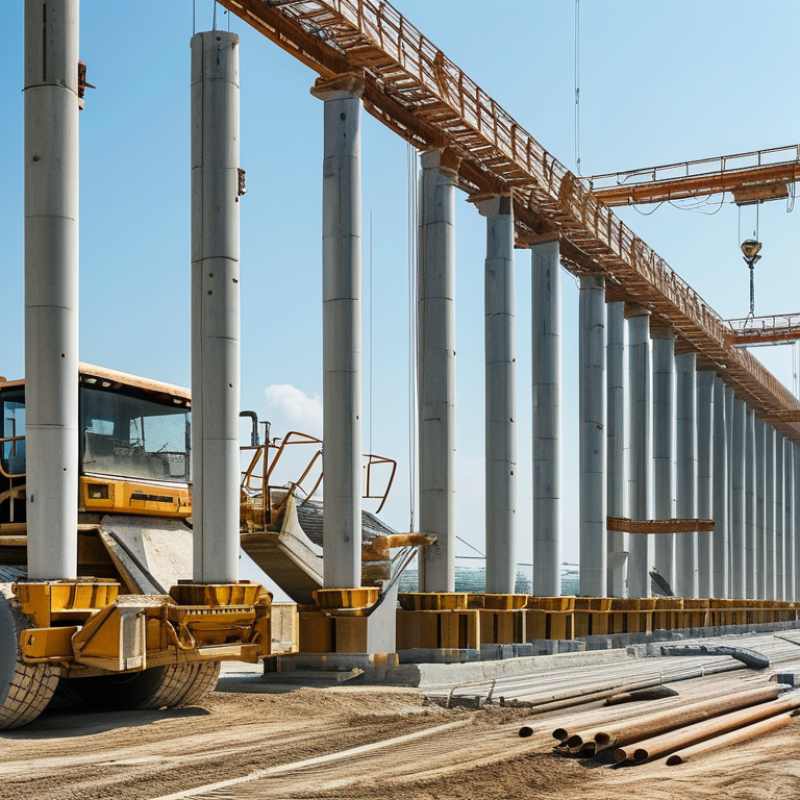
Top 10 Benefits of Using Cement Pole Making Machines?

Benefits of Increased Efficiency in Cement Pole Production Processes

Cement pole making machines significantly enhance the efficiency of production processes. These machines automate several steps that are typically labor-intensive. By decreasing manual work, they lower the risk of human error and ensure uniformity in each product. Standardization is vital for meeting quality control standards, which is crucial for customer satisfaction.

Moreover, the speed of production increases dramatically. This allows manufacturers to meet demand quickly, without compromising quality. With advanced technology, these machines ensure quick curing times and result in durable poles. Effective use of resources leads to cost savings as well. However, initial setup costs can be high. Companies must weigh these costs against potential savings over time.

There is also a learning curve associated with these machines. Workers need training to operate them efficiently. Investing in training is essential for maximizing benefits. In conclusion, while using cement pole making machines can transform production efficiency, careful planning and training are required for the best results.

Cost Reduction through Automation in Cement Pole Manufacturing

The shift towards automation in cement pole manufacturing has notable advantages. One major benefit is cost reduction. Reports indicate that automation can decrease production costs by 15-30%. This is largely due to the reduction of labor costs. Traditional methods often require a large workforce, while machines can handle multiple tasks with minimal human oversight.

Data from the International Cement Review highlights that operational efficiency improves by nearly 25% when using automated cement pole making machines. These machines can achieve precise measurements consistently, reducing material waste significantly. A study found that automated processes result in up to 18% less raw material usage. This allows companies to maximize profits while maintaining quality.

However, the transition to automation is not without challenges. Initial investments can be high, and training staff to manage machines requires time. Not every facility is suited for automation. Reflecting on these factors, manufacturers must weigh immediate costs against long-term benefits. The journey towards automation necessitates careful planning and evaluation.

Improved Quality Control with Precision Cement Pole Making Machines

Cement pole making machines have transformed the industry by enhancing quality control. These advanced machines provide precision, which reduces human error. Reports show that a 10% reduction in defects can be achieved through automation in production. Workers who rely on traditional methods often struggle with consistency. This leads to variations in pole strength and durability.

Using machines improves not only the quality but also the repeatability of production. A study revealed that automated processes ensure uniformity across thousands of poles produced. This repetitiveness results in fewer material waste issues and lowers production costs. It's noteworthy that businesses can see a 15% increase in overall efficiency when utilizing cement pole making machines.

However, dependency on technology introduces challenges. Training workers to operate machinery effectively remains crucial. In some cases, there may be initial resistance to change. Companies must consider the balance between automation and skilled labor to maintain production excellence. This reflection is vital for businesses aiming to thrive in a competitive market.

Enhanced Production Flexibility and Customization Options for Poles

The use of cement pole making machines has reshaped the production landscape for manufacturers. Enhanced production flexibility allows companies to cater to specific customer requirements. With these machines, manufacturers can adjust dimensions and designs swiftly. According to a report from the National Concrete Consortium, this adaptability can lead to a 30% increase in productivity. Customers now seek poles with unique specifications, and such machines make it feasible.

Customization options are also more accessible due to advanced technology. Factories can now produce poles in various lengths and cross-sections. This meets diverse construction needs, from utility poles to architectural features. A study by the Concrete Products Association revealed that modular designs can reduce waste by 25%. However, challenges remain. Not all manufacturers fully utilize these capabilities. Some might stick to outdated methods, limiting efficiency and innovation.

Market demand is shifting toward tailored solutions, and companies must keep up. Manufacturers that invest in modern design features can capture significant market share. Yet, they also confront the task of retraining staff. Balancing traditional practices with modern technology is key. Customization brings opportunity, but it requires a strategic approach to leverage effectively.

Top 10 Benefits of Using Cement Pole Making Machines

Benefit Description Impact on Production
Enhanced Production Efficiency Machines streamline production processes, reducing manual labor. Increases output by up to 50%.
Customization Options Allows for tailored designs and specifications for different projects. Meets diverse customer needs effectively.
Cost-Effective Production Reduces material wastage and labor costs. Lowers production costs by approximately 30%.
High Durability Ensures poles can withstand harsh environmental conditions. Decreases the need for replacements, saving costs.
Improved Safety Standards Robotic operations reduce workplace accidents. Creates a safer working environment.
Faster Turnaround Times Shortens the lead times for producing poles. Enhances customer satisfaction through timely deliveries.
Energy Efficiency Utilizes advanced technology to minimize energy consumption. Reduces overhead costs, contributing to sustainability efforts.
Automated Quality Control Incorporates technology to ensure product quality and consistency. Significantly reduces defect rates in production.
Easier Maintenance Designed for straightforward servicing and upkeep. Minimizes downtime and stops in production lines.
Scalability Can adapt to increasing production demands easily. Facilitates growth opportunities without significant investment.

Environmental Considerations: Sustainable Practices in Cement Pole Production

The production of cement poles can have significant environmental impacts. Utilizing cement pole making machines promotes sustainable practices. These machines reduce waste significantly, which helps to preserve natural resources. Additionally, modern machines are designed to consume less energy, minimizing their carbon footprint. This shift towards energy-efficient production is essential in combating climate change.


Concrete production requires careful attention to material sourcing. Using recycled aggregates in the mix can enhance sustainability. These aggregates come from demolished structures, giving new life to previously discarded materials. When cement poles are produced with recycled content, it reduces the need for virgin raw materials. However, achieving high-quality poles from recycled aggregates can be challenging. Manufacturers must balance quality and sustainability, an ongoing area for improvement.


Water usage in cement production is another critical factor. Efficient machines streamline water consumption throughout the process. However, managing runoff is often overlooked. Excess water can lead to detrimental environmental effects if not handled properly. Companies must continually evaluate their processes to mitigate such risks. These considerations highlight the need for ongoing reflection in cement pole production.

CONTACT US