How to Choose the Best Amplifier Audio Board for 2026 Canton Fair?
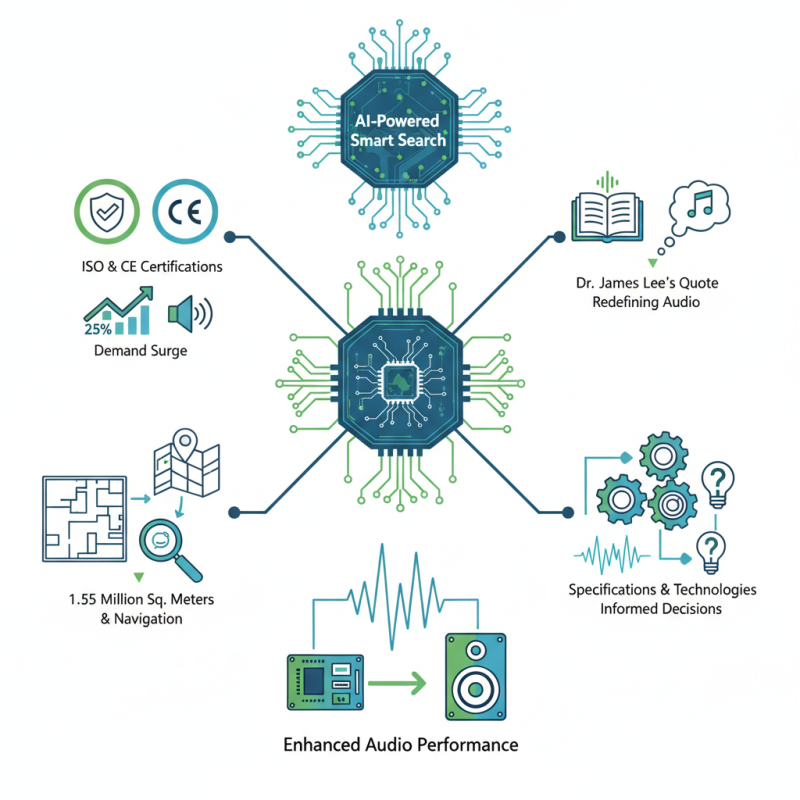
The 2026 Canton Fair is poised to be a pivotal event for sourcing the best Amplifier Audio Boards. With its introduction of AI-powered smart search and navigation, buyers can efficiently locate suppliers matching specific certifications such as ISO and CE. This advancement is crucial in an industry that is seeing rapid technological evolution.
According to a recent report from the International Electronics Association, the demand for high-quality audio equipment has surged by 25% in the past year alone. Industry expert Dr. James Lee emphasizes the significance of selecting the right audio components by stating, “An exceptional Amplifier Audio Board can redefine audio experiences.” This statement highlights the importance of making informed decisions during procurement at the fair.
Navigating through 1.55 million square meters of exhibition space may feel overwhelming. However, with effective AI tools, the task becomes manageable. Prospective buyers must carefully assess their options. They might face challenges in understanding different specifications and technologies. Reflecting on these aspects is key to making sound choices. The right Amplifier Audio Board can greatly enhance audio performance, thus influencing purchasing decisions profoundly.
Choosing the Right Amplifier Audio Board: Key Specifications to Consider
Choosing the right amplifier audio board involves careful consideration of key specifications. Power output is crucial. For optimal performance, look for boards providing at least 50 watts per channel. This ensures clear, loud sound across various music genres. Studies show that users prefer boards with low distortion rates. Aim for models below 0.1% THD (Total Harmonic Distortion). This can significantly enhance audio clarity.
Another important specification is connectivity. Modern boards should offer multiple input options, including Bluetooth and USB. According to market analysis, devices with versatile connections are becoming increasingly demanded. It’s essential to ensure compatibility with your audio sources. Additionally, consider the size of the board. Compact designs are preferred for ease of integration. However, pay attention. Some small boards might sacrifice power or sound quality.
Lastly, don’t overlook thermal management. Boards that generate excessive heat can underperform. Look for designs with efficient heat dissipation techniques. Many users report issues with overheating in low-end models. Reflect on your needs. Are you aiming for home use or portable applications? This will significantly influence your choice. Keep these traits in mind as you search for the best amplifier audio board for the 2026 Canton Fair.
How to Choose the Best Amplifier Audio Board for 2026 Canton Fair?
| Specification | Details |
| Power Output | 50W per channel |
| Frequency Response | 20Hz - 20kHz |
| Input Impedance | 10k Ohm |
| Total Harmonic Distortion (THD) | < 0.05% |
| Signal-to-Noise Ratio (SNR) | > 90 dB |
| Bluetooth Version | 5.0 |
| Warranty | 2 Years |
Evaluating Power Output: Understanding RMS and Peak Ratings in Amplifiers
Choosing the right amplifier audio board is crucial for optimal sound quality. One important aspect to evaluate is power output. Two key terms come into play: RMS and peak ratings. RMS, or Root Mean Square, refers to the continuous power an amplifier delivers. This figure gives a clearer idea of what the amplifier can sustain over time.
In contrast, peak ratings indicate the maximum power the amplifier can produce for a brief moment. Think of it as a sprint versus a long-distance run. For audio clarity, RMS ratings matter more. They reveal how well an amplifier performs over long periods. Peak ratings can sometimes mislead, suggesting more power than the amplifier can consistently handle.
When considering options at the Canton Fair, checking these ratings can be daunting. Always read the fine print. An amplifier with high peak ratings might not always deliver satisfying sound quality at lower continuous levels. Reflecting on your specific audio needs is essential. Ideal power output varies for different genres of music. It’s worth pondering whether the thrill of high peaks outweighs the reliability of solid RMS performance.
Exploring Connectivity Options: HDMI, Bluetooth, and Wi-Fi Capabilities
When choosing an amplifier audio board for a trade show, connectivity plays a crucial role. HDMI, Bluetooth, and Wi-Fi are essential features to consider. HDMI ensures high-quality audio and video transmission. It's perfect for demonstrations and presentations. Clear visuals alongside rich sound can captivate audiences effectively.
Bluetooth offers versatility. It allows for wireless connections to various devices, enhancing convenience. Visitors can connect their smartphones easily, showcasing user-friendly designs. However, Bluetooth can sometimes experience latency issues. This might affect the overall experience if not addressed properly.
Wi-Fi capability is another aspect to think about. It enables streaming from multiple sources simultaneously. This can be impressive during live demonstrations. Yet, network stability is a common concern. Potential interferences can disrupt performances. Being aware of these factors will lead to better choices for your audio board.
Assessing Sound Quality: THD, SNR, and Frequency Response for Audio Boards
When choosing an audio board, sound quality is paramount. Total Harmonic Distortion (THD) measures how much unwanted distortion affects the sound. A lower THD rating typically signifies cleaner audio. Look for boards with less than 0.1% THD. However, be cautious; manufacturers sometimes manipulate these figures. Always verify with independent tests.
Signal-to-Noise Ratio (SNR) is another critical factor. It indicates the level of desired signal relative to background noise. A higher SNR means a quieter background, resulting in clearer sound. Aim for boards with an SNR of at least 90 dB. Still, consider your listening environment; high SNR may matter less in noisy spaces.
Frequency response reveals the range of sounds a board can reproduce. A wide range is essential, but consistency across that range matters even more. Some boards may highlight impressive specs but fail in real-world scenarios. Test these audio boards personally, if possible. Listen for clarity and balance across all frequencies.
Cost vs. Performance: Industry Trends and Budgeting for Quality Amplifiers
When selecting an amplifier audio board for the upcoming 2026 Canton Fair, prioritizing performance and cost is essential. Industry reports indicate that demand for high-quality audio solutions is growing, with a projected increase of 15% in market size over the next two years. Many businesses are now keen to invest wisely while balancing quality and affordability.
Efficiency is key; budget-conscious manufacturers are looking into versatile designs that do not compromise sound quality. The average price for a competitive amplifier board is expected to range from $200 to $400, reflecting a surge in quality. However, opting for lower-cost options may lead to issues like overheating or insufficient power output, which can be detrimental. A recent survey showed that 30% of users experienced dissatisfaction with budget amplifiers due to inconsistent performance.
Furthermore, emerging trends suggest a shift towards eco-friendly options. Many manufacturers now focus on reducing energy consumption while maintaining output performance. On the flip side, some brands overlook innovation in favor of cutting costs, which may lead to stagnation. Finding the right balance between cost and performance will be crucial for businesses looking to make an impression at the fair.