
Which Automatic Feeding Gluing Machine Is Best in 2026?

Choosing the best Automatic Feeding Gluing Machine in 2026 is not simply a race for the highest speed. The right machine must match your carton styles, board grades, production volume, and available floor space. A line folding small cartons may need different feeding control from one handling long, wide blanks. Watch how sheets enter the feeder, how steadily glue reaches each panel, and whether finished cartons arrive square.

Taiichi Ohno, a renowned manufacturing engineer, wrote, “Where there is no standard, there can be no kaizen.” That principle matters here: compare machines using the same test material, carton format, and quality checks. Record setup time, stoppages, waste, and glue consistency. Small details count. A skewed blank or uneven adhesive bead can slow an otherwise fast line.

This guide compares practical buying factors, including feeder reliability, adjustment range, operating speed, maintenance access, and supplier support. There is no universal winner. A machine with an impressive speed rating may still disappoint if changeovers take too long or local service is difficult to reach. Published specifications are only a starting point; ask for a demonstration using your own cartons whenever possible. Even then, one trial cannot represent every shift or material batch. Keep that limitation in mind as you compare options and decide which Automatic Feeding Gluing Machine best fits your production needs.
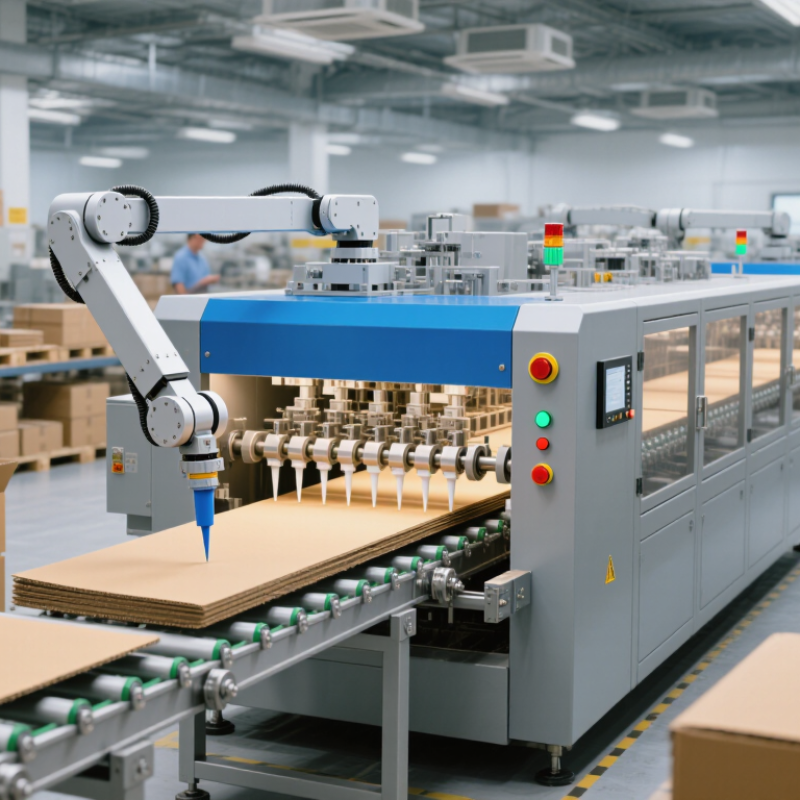
Which Automatic Feeding Gluing Machine Is Best in 2026?

What Is an Automatic Feeding Gluing Machine?

What Is an Automatic Feeding Gluing Machine?

An automatic feeding gluing machine takes flat, pre-cut blanks and turns them into glued cartons or boxes. Its feeder separates stacked blanks and moves them into the machine. Guides register each blank; folding rails shape its panels, and glue heads apply adhesive at set points. A compression section holds the folds while the bond develops. That is the basic sequence.

The process is only as consistent as its setup. Blank thickness, surface coating, fold accuracy, adhesive temperature, and line speed all affect the finished bond. An operator may need to adjust guides or clean a glue nozzle when adhesive strings or blanks drift. Small details matter. Hot-melt and cold-glue systems suit different materials and production conditions, so the right choice depends on the actual packaging job, not speed claims alone.

PMMI’s 2023 State of the Industry report estimated U.S. packaging-machinery shipments at about $10.9 billion in 2022. That figure covers packaging machinery broadly; it does not measure gluing machines or prove a particular line’s output. It does show the scale of investment behind automated packaging. Before choosing equipment, compare sample cartons, changeover time, glue placement, and reject rates under realistic conditions. A trial with your own blanks can expose problems a specification sheet misses.

How Does an Automatic Feeding Gluing Machine Work?

Which Automatic Feeding Gluing Machine Is Best in 2026?

How Does an Automatic Feeding Gluing Machine Work?

An automatic feeding gluing machine moves sheets or panels from a stack into a gluing section, reducing repeated hand placement. Depending on the machine, rollers, belts, or suction devices separate and advance each piece. Guides and sensors help keep it aligned. If sheets overlap or arrive crooked, the glue line can miss its target.

Inside the gluing section, a roller or nozzle applies adhesive at a controlled rate. Operators set factors such as feed speed, glue amount, and roller pressure to suit the material and job. Pressure rollers may then bring surfaces together, while a following stage allows the bond to set.

Small details matter. Dust, warped sheets, or a partly blocked nozzle can affect the result. In real production, settings may need adjustment as materials change; a setup that works for one batch may not suit the next.

Regularly checking sample pieces, glue coverage, and feed alignment helps catch issues early. Automation improves consistency, but it does not eliminate the need for inspection.

A good choice depends on the materials, sheet sizes, production rate, and adhesive requirements.

Which Features Matter Most When Choosing a Machine?

When choosing an automatic feeding gluing machine, start with the material it must handle every day. Record board thickness, sheet size, surface finish, and how often jobs change. A feeder that grips smooth panels may slip on dusty or textured stock. Small variations matter. Check whether guides adjust quickly and hold alignment during a full production run, not just a short demonstration.

Glue control deserves close attention. Ask how the machine maintains temperature and applies adhesive across the working width. Uneven coverage can leave dry edges, while excess glue may squeeze onto rollers and workpieces. Run your own material through the machine, then inspect the bond after it sets. A clean test sample is useful, but it does not prove consistent performance over several hours. That part is easy to overlook.

Compare practical output, not just the highest stated speed. Look for accessible cleaning points, clear fault alerts, guarded moving parts, and settings operators can repeat reliably. If thickness changes often, a slower adjustment process can erase the benefit of a fast feed cycle. Ask about routine maintenance and spare-part availability, too. I would be cautious about choosing a complex control system simply because it looks modern; an operator still needs to correct a bad setup without guessing. A real production trial may reveal awkward details that a showroom cannot.

How Do Machine Types Compare Across Materials and Production Needs?

Choosing an automatic feeding gluing machine starts with the material, not the advertised speed. For paper sheets and light carton board, vacuum-fed roller machines often provide steady feeding and an even adhesive film. Operators can inspect the coated surface for dry patches or excess glue. That matters when folds must stay clean.

Corrugated board may need a wider feed path and rollers that apply glue without crushing the flutes. For wood panels or thicker composites, a nozzle-based system can place adhesive in controlled lines, while a spray head covers broad areas quickly. Spray application can create overspray, though, so test the actual adhesive and substrate before setting production targets. Small parts and uneven surfaces may benefit from adjustable nozzles, but frequent changeovers can slow a busy line.

Match the feeder to sheet size, stiffness, and stack consistency. A machine that handles one rigid board smoothly may misfeed curled paper. Not every “high-speed” setup stays fast after cleaning and adjustment. Ask for a trial using your own material, then check feed accuracy, glue coverage, drying time, and waste across a full run. One detail is easily missed: adhesive viscosity changes with temperature, so record it alongside machine settings.

How Can Buyers Identify the Best Machine for Their Application?

Start with the actual job, not the machine’s headline speed. List each board or sheet size, thickness, surface, and expected daily volume. Define the adhesive type, bead width, placement tolerance, and cure time your process requires. These details affect feeder design, glue delivery, and bond consistency. Ask suppliers to test your materials, including warped sheets or dusty stock if those occur in production. Test real stock.

Compare usable output, not just rated cycles per minute. During a sustained trial, observe feeding accuracy, glue consistency, jams, and changeover time. A short demonstration can hide problems that appear after an hour. Check whether operators can reach nozzles and rollers for routine cleaning, and confirm spare-part availability and service response. Request written data on power, air use, reject rate, and maintenance intervals. Verify what was measured and under which conditions. Trials have limits. A machine that fits the floor plan but needs constant adjustment may cost more than its purchase price suggests. Leave room for future product changes; forecasts are often imperfect.

CONTACT US