
What Is the Best Beacon Light With Siren in 2026?

Choosing the best Beacon Light With Siren in 2026 depends on where and how it will be used. A unit for a roadside service vehicle may need a different balance than one for a warehouse, utility fleet, or worksite. Brightness matters, but so do flash patterns, audible warning strength, mounting stability, and power compatibility. A beacon that looks impressive in a product photo may be difficult to see in daylight or awkward to install on a real vehicle. Details count.

This guide compares practical features rather than relying on bold marketing claims. It considers visibility from different angles, siren controls, weather resistance, wiring, ease of operation, and the clarity of the manufacturer’s specifications. We also look at whether product information is consistent and whether real-world reviews describe useful details, such as performance in rain or vibration on rough roads. No single model suits every setting. It’s not that simple. Buyers should confirm fit, power requirements, and permitted use for their location before ordering. Product ratings and specifications can change, and some details are frustratingly hard to verify. That uncertainty deserves a mention. The aim is to help readers identify a dependable option for their needs, understand the trade-offs, and avoid paying for features they will not use.
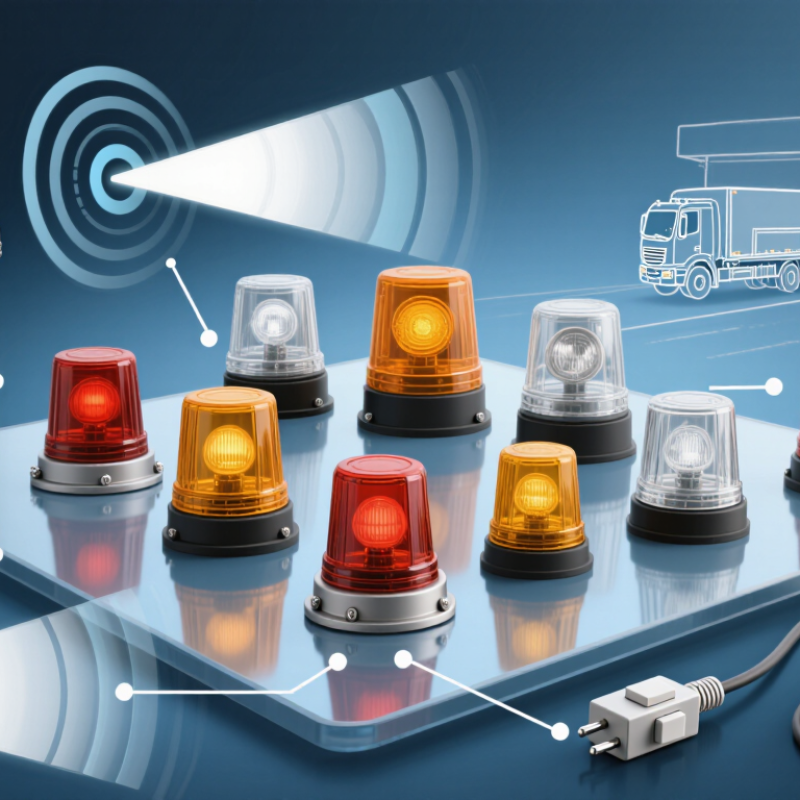
What Is the Best Beacon Light With Siren in 2026?

What Is a Beacon Light With Siren?

A beacon light with siren is a warning device that pairs a bright visual signal with an audible alert. The beacon may flash or rotate, while the siren produces a distinct sound to draw attention nearby. Together, these signals can help people notice a vehicle, machine, or work area when visibility is limited or surroundings are noisy.
It is a warning tool. Not decoration.

A typical unit includes a light source, sounder, power connection, and controls for activating the signals. Some models offer different flash patterns or sound settings, so users can match the alert to the environment without making it unnecessarily disruptive. Mounting and visibility matter: a beacon hidden behind equipment may be less useful, and a siren can be difficult to hear through walls or heavy background noise. That detail is easy to overlook. When evaluating one, consider brightness, sound clarity, weather resistance, power requirements, and how the device will be used. A specification sheet helps, but real-world placement can change what people actually see and hear.

How Beacon Lights and Sirens Work Together

A beacon light and siren provide two different kinds of warning: one is seen, the other heard. Together, they can make an alert easier to notice when people are busy, distracted, or facing away. A rotating or flashing beacon draws attention across a work area, while a siren carries an audible signal through spaces where sightlines are blocked. Neither works equally well everywhere. Machinery, walls, daylight, and background noise can all affect how clearly a warning is noticed.

Tips: Match the light pattern and siren tone to the setting, not just the device specifications. Check visibility from typical approach points, including around corners. Test the sound at a safe distance and listen for masking noise. Keep controls easy to identify, and inspect wiring, mounting, and lenses regularly. A quick check matters.

For a practical choice in 2026, consider coverage, operating conditions, and how the two signals are activated together. A beacon should be mounted where equipment or stacked materials will not hide it. The siren should be audible without becoming needlessly disruptive. It is easy to assume louder means better; it does not always. Test the setup in real conditions, document what you observe, and adjust if workers miss or misunderstand the alert.

What Is the Best Beacon Light With Siren in 2026? - How Beacon Lights and Sirens Work Together

Setup Beacon Light Siren / Alert Best Suited For Key Selection Points Typical Trade-Off
Compact vehicle warning unit LED beacon; commonly available in amber and other jurisdiction-dependent colors Electronic siren or auxiliary warning speaker, if permitted and appropriate Service, maintenance, roadside-assistance, and utility vehicles Check the vehicle’s electrical system, mounting method, weather resistance, and local rules for light color and audible alerts. Compact units are easier to mount, but may provide less light output or sound coverage than larger systems.
High-visibility emergency vehicle system Multiple LED warning modules or a light bar with selectable flash patterns Vehicle siren with a compatible speaker and driver Authorized emergency-response vehicles operating in traffic Assess visibility from different angles, speaker placement, control accessibility, electrical load, and applicable vehicle standards. More components can improve coverage, but add installation complexity and power demand.
Worksite or industrial warning station Fixed LED beacon, often used as a visual status or hazard signal Separate sounder or siren selected for the site’s alerting needs Factories, warehouses, loading areas, and equipment zones Consider ambient noise, viewing distance, mounting height, environmental conditions, and whether alerts need to be heard in enclosed areas. A beacon and sounder may need separate wiring or controls; test both in the actual work environment.
Portable temporary-warning setup Battery-powered LED beacon or portable warning light Portable alarm or separate audible warning device Temporary work zones, inspections, and short-duration deployments Review battery runtime, charging method, stability, weather protection, and safe placement. Portability reduces installation needs, but runtime and sound output depend on the device and operating conditions.
Low-noise or night-time operation LED beacon with adjustable intensity or a suitable low-output mode Use an audible alert only when the task, safety plan, and local rules call for it Sites where glare or unnecessary noise may affect nearby people Balance conspicuity with glare control; use other approved warning methods where an audible alert is unsuitable. Reducing light or sound can also reduce how readily the warning is noticed.
General-purpose selection LED beacon chosen for required color, visibility, duty cycle, and mounting location Compatible siren or sounder matched to the operating environment Buyers comparing options before purchase Confirm legal approval, voltage compatibility, sound and light performance, ingress protection, warranty, and installation requirements. There is no universally best combination; the right choice depends on the vehicle or site and its regulations.

How they work together: A beacon provides a visual warning, while a siren or sounder provides an audible warning. Using both can make an alert noticeable through more than one sensory channel, but neither guarantees detection. Choose equipment for the specific environment and follow applicable laws, workplace procedures, and installation instructions. Performance varies by model, mounting position, surroundings, and operating conditions.

Which Features Matter Most When Choosing One in 2026?

When choosing a beacon light with a siren, start with the conditions where it will operate. A bright light can disappear in direct sun, while an overly intense flash may distract nearby workers. Check the manufacturer’s stated visibility range and flash patterns, then consider whether the lens is easy to see from the angles that matter. Test it at a realistic distance if possible. Small details count.

The siren should be clearly audible over the expected background noise, not simply impressive on a quiet test. Look for a published sound-pressure rating and consider how distance, walls, and machinery may reduce it. Adjustable volume or distinct alert tones can help match different settings. Keep controls simple. In an urgent moment, tiny labels and confusing switches are a real drawback.

Also check power options, weather resistance, mounting strength, and operating time. A beacon that loosens on a vibrating surface or loses charge during a long shift may not be dependable. Review the stated environmental ratings rather than relying on a rugged-looking case. Specifications can still leave gaps; real-world performance varies with placement and surroundings. A modest unit with clear alerts and stable mounting may serve better than one with the loudest siren on paper.

What Is the Best Beacon Light With Siren in 2026?

Which features matter most when choosing one?

Practical selection guide, not a market survey: scores are editorial ratings on a 1–5 scale. Prioritize visibility, siren audibility, vehicle compatibility, and weather resistance for your operating conditions. Check applicable local regulations before use.

How Beacon Light and Siren Types Compare

Beacon choices differ in how they deliver light. Rotating beacons create a moving beam that can stand out across a broad area. LED beacons typically offer compact construction and lower power demand, while strobes produce brief, intense flashes. SAE J845 sets performance requirements for optical warning devices, making it a useful reference when comparing measured output rather than appearance alone. Small details matter.

Sirens also vary. Electronic models can produce several tones and allow flexible installation. Mechanical sirens use moving parts and may need more space and maintenance. Tone and volume should suit the surroundings; a loud signal is not automatically a clearer one. NIOSH’s 1998 noise criteria report recommends an 85 dBA eight-hour exposure limit, using a 3 dB exchange rate. That workplace benchmark is not a siren-selection rule, but it highlights why exposure near an operating siren deserves attention.

For a vehicle working in traffic, compare visibility from the sides and rear, not just head-on. Check mounting height, power draw, weather resistance, and whether the light remains noticeable in daylight. Test siren audibility inside the cab and around nearby obstacles. A specification sheet can still mislead. I would avoid choosing by flash rate or peak loudness alone; real installation and operating conditions can change what people actually see and hear.

Which Beacon Light With Siren Suits Each Application?

The best beacon light with siren depends on where people need to notice it. On road-maintenance vehicles, choose a weather-resistant, high-visibility beacon that remains clear in daylight, rain, and road spray. A siren can add warning when workers or drivers may not see the vehicle approaching. The Federal Highway Administration recorded 891 work-zone fatalities in 2022, underscoring the risks around active traffic areas. A warning device cannot prevent every collision, but its visibility and sound should suit the actual approach distance.

For warehouses and loading yards, a compact beacon with a controlled-volume alarm may fit better than a piercing siren. Test it beside operating machinery; a sound that disappears under engine noise offers little warning. The Bureau of Labor Statistics reported 1,942 fatal occupational injuries from transportation incidents in 2023. That matters.

For emergency-response vehicles, select a beacon-and-siren system with distinct, recognizable alerts and controls that remain usable under pressure.

For campuses or quiet facilities, a beacon alone—or a brief, lower-volume alert—may avoid needless noise. Not always.

Check mounting strength, power supply, daytime visibility, and sound coverage on site. One practical detail is easy to overlook: buildings, doors, and weather can block sound, so a bench test may not reflect real conditions.

CONTACT US