2026 Best Cnc Vertical Machining Solutions for Global Buyers?
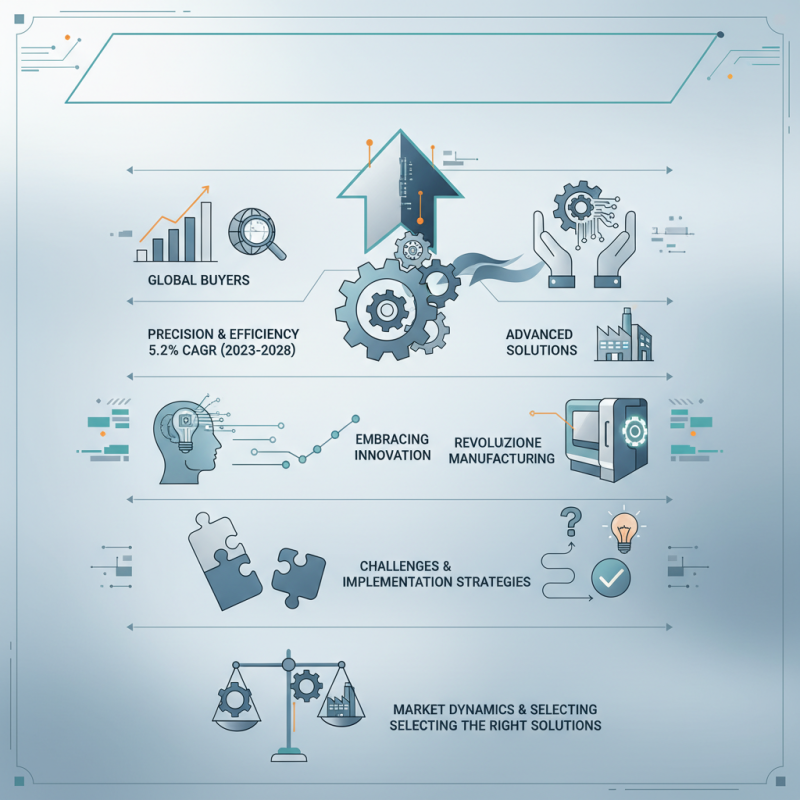
In the rapidly evolving landscape of manufacturing, Cnc Vertical Machining has emerged as a critical technology for global buyers. This sector is projected to experience significant growth, with industry reports estimating a compound annual growth rate (CAGR) of 5.2% from 2023 to 2028. As companies strive for precision and efficiency, the demand for advanced machining solutions continues to surge.
Industry expert Dr. John Stevens, a notable figure in CNC technology, once stated, "Cnc Vertical Machining is not just about machinery; it’s about revolutionizing the manufacturing process." His insights highlight the importance of embracing innovation, yet the challenges associated with integrating new technologies remain. Not every business finds seamless transitions to these advanced systems, illustrating both the potential and the need for careful implementation strategies.
Navigating the complexities of Cnc Vertical Machining requires not just technical knowledge but also a clear understanding of market dynamics. Buyers must recognize that while the benefits can be substantial, the journey may come with obstacles requiring thoughtful reflection and adaptability. In this context, selecting the right machining solutions can greatly influence operational outcomes.
Overview of CNC Vertical Machining Technology for Global Buyers
CNC vertical machining technology has transformed manufacturing. It provides precision and efficiency for complex parts. This technology uses a vertical spindle, enabling easy access to the workpiece. Key features include automated tool changers and multi-axis capabilities. These enhance productivity and accuracy in various industries.
Global buyers seek reliable solutions that optimize performance. However, selecting the right CNC machine can be challenging. It involves considering factors such as material compatibility and production volume. Many users struggle with setup and programming complexities. Additionally, the choice of software can significantly impact operation.
Investing in training and resources can mitigate these issues. Understanding tool selection and maintenance is crucial for longevity. Despite the advancements, issues can arise during machining processes. Regular checks and skilled oversight are necessary to maintain quality. Buyers should prioritize vendor support and service availability, ensuring help when needed.
Key Features to Consider in CNC Vertical Machining Solutions
When choosing CNC vertical machining solutions, several key features demand attention. Precision is paramount. Machines should achieve tight tolerances to ensure part accuracy. Users often overlook the importance of stability in mechanical design. More stable machines produce better outcomes, minimizing vibrations during operation.
Another crucial aspect is the ease of use. A user-friendly interface can significantly enhance productivity. Employees with less experience can operate the machinery effectively. However, complexity might arise if the technology is not intuitive. Training may become necessary, adding to costs and time.
Consider automation capabilities, too. Increased automation leads to efficiency gains. However, depending solely on automation might lead to operational issues. A mix of manual and automated processes can provide balance. Assessing electricity consumption and energy efficiency also warrants reflection. In a world focused on sustainability, energy-efficient solutions are becoming desirable.
Top Global Manufacturers of CNC Vertical Machining Centers in 2026
In 2026, CNC vertical machining centers are vital for manufacturing efficiency. The global market for these machines is projected to reach $20 billion, driven by their precision and versatility. Industry reports highlight that top manufacturers produce tools that significantly enhance productivity and reduce waste.
The best CNC vertical machining solutions are designed for diverse applications. They can handle everything from aerospace components to intricate automotive parts. Many centers now feature advanced automation, allowing for smoother operations and shorter lead times. However, the complexity of these technologies can pose challenges. Operators may need extensive training to maximize their potential.
Data indicates that several manufacturers are investing heavily in R&D. This focus on innovation enhances machine capabilities. Yet, not all machines meet every operational need. Buyers must carefully assess specifications and requirements. Consideration of maintenance costs and downtime is key. Proper alignment of technology with operational goals ensures optimal performance.
Cost Considerations and Budgeting for CNC Vertical Machining Equipment
When considering CNC vertical machining equipment, budgeting is crucial. Costs vary significantly based on features and capabilities. Buyers should start by evaluating their specific machining needs. This includes assessing the complexity of parts and production volume. A well-defined requirement helps narrow down options effectively.
Additionally, clients should factor in not just the initial purchase price but also ongoing operational costs. Maintenance, tooling, and software updates can add to the total expenditure. Sometimes, the cheapest option upfront can lead to costly repairs later. It’s important to research and understand long-term investments.
Buyers must consider financing options as well. Leasing might be beneficial for those with tight budgets. However, it’s essential to calculate the total cost of ownership. Reflecting on these aspects ensures a more informed decision. Being aware of hidden fees is equally important. Overall, strategic budgeting plays a key role in the successful acquisition of CNC vertical machining solutions.
Future Trends in CNC Vertical Machining for International Markets
The CNC vertical machining market is evolving rapidly. A recent report indicates that the global CNC machine tool market will reach approximately $100 billion by 2026. This growth highlights a trend towards automation and high precision in manufacturing processes. Buyers must stay informed to capitalize on emerging technologies.
Future trends show a rise in smart machining. Integrating IoT can help improve efficiency and reduce downtime. Data suggests that manufacturers who adopt smart technologies can increase productivity by up to 30%. However, the initial investment can be daunting, posing a risk for many companies.
Tips: Consider starting small. Implementing one or two smart features can be a strategic first step. Training employees is essential for a smooth transition. Investing in staff will enhance the overall success of new implementations. The market is shifting towards sustainable machining practices, which can lead to long-term benefits. Keeping abreast of these trends will be critical for international buyers in decision-making.
2026 Best CNC Vertical Machining Solutions for Global Buyers
| Solution Type | Key Features | Market Trends | Expected Growth (%) |
| High-Speed Machining Centers | Increased productivity, precise tolerances, energy-efficient. | Rising demand in aerospace and automotive sectors. | 6-8% |
| Multi-Axis CNC Mills | 360-degree movement, complex machining capabilities. | Growing needs for intricate part production. | 8-10% |
| Vertical Machining Centers with Automation | Robotic loading, unattended operation, reduced setup time. | Expansion in the manufacturing industry. | 10-12% |
| 5-Axis CNC Verticals | Enhanced precision, versatile applications. | Increase in custom and low-volume production. | 7-9% |
| CNC Vertical Lathes | Efficient for large parts, easy chip removal. | Demand from energy and heavy machinery sectors. | 5-6% |