2026 Best Coffee Bean Types for Global Buyers Insights?
In the vibrant world of coffee, understanding the nuances of Coffee Bean types is essential for global buyers. Renowned coffee expert, Dr. Samuel Jacobs, once stated, "The right bean can transform a simple cup into an extraordinary experience." With countless varieties available, choosing the best coffee bean requires insight and expertise. Each type brings unique flavors, aromas, and origins.
Buyers must consider factors like growing region and processing methods when selecting coffee beans. For instance, beans from Ethiopia often exhibit floral notes, while Colombian varieties are known for their balanced sweetness. However, not every sought-after bean is easy to find or consistently high-quality. There are pitfalls in sourcing and tasting that can mislead even seasoned aficionados.
As the market evolves, buyers need to stay informed about the latest trends in coffee bean cultivation. This knowledge can help them make better decisions. While enjoying coffee is universal, navigating its complexities is not always straightforward. More than just a beverage, coffee is an intricate journey of flavors waiting to be explored.
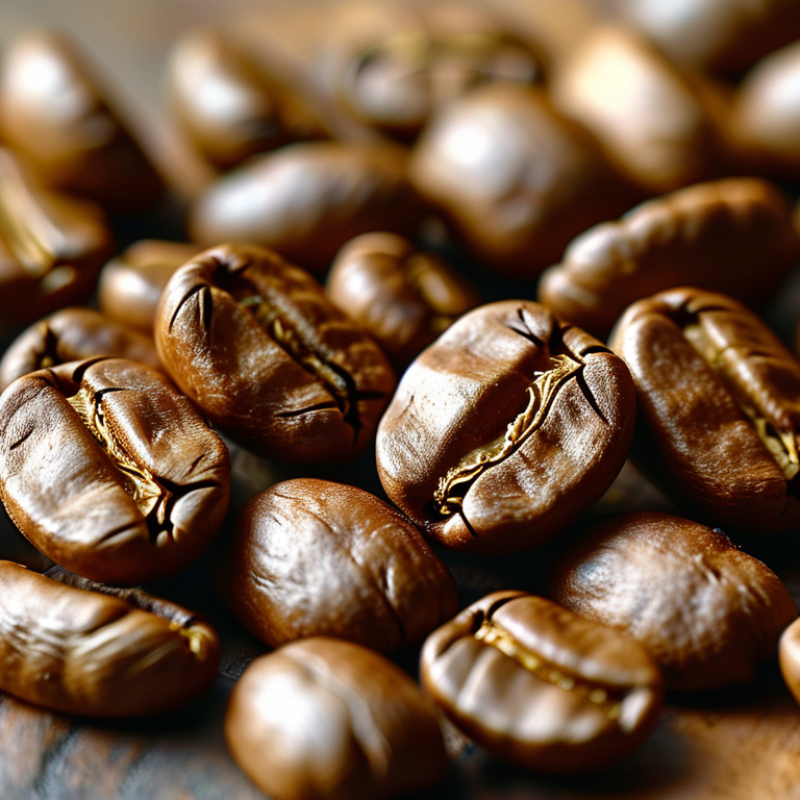
Overview of Coffee Bean Types in 2026
In 2026, coffee enthusiasts must explore various bean types to enhance their brewing experience. Some popular varieties include Arabica, Robusta, and Liberica. Arabica beans are cherished for their smooth flavor and aromatic qualities. These beans thrive at high elevations, leading to a delicate profile that captivates many drinkers. On the other hand, Robusta offers a stronger taste and higher caffeine content. Its resilience in lower altitudes makes it widely cultivated.
Tips: When choosing your beans, consider your brewing method. Grinders and brew times differ for each type. A coarser grind works best for methods like French press, while espresso requires a fine grind. Take notes on what works best for your palate.
Liberica beans are less common but provide a unique flavor, with a floral aroma and fruity hints. This rarity could spark curiosity among adventurous coffee lovers. Exploring less mainstream options might yield new favorites. Remember to grind only as much as you need. Freshness is key in coffee brewing.
The market is evolving. Preferences shift, and new hybrids are emerging regularly. Keeping an open mind allows you to appreciate diverse tastes. Engage with local roasters or online forums for personalized recommendations. Each cup of coffee tells a story. Enjoy discovering them in 2026.
2026 Best Coffee Bean Types for Global Buyers Insights
Key Factors Influencing Coffee Quality and Selection
When selecting coffee beans, several key factors influence quality. The region where the beans are grown significantly impacts flavor profiles. For instance, beans from Ethiopia often exhibit floral and fruity notes. In contrast, Colombian beans are known for their balanced taste and mild acidity. This diversification is highlighted in the 2021 Specialty Coffee Association report, which emphasizes the role of altitude and climate.
Processing methods also play a crucial role. Wet processing, often used in high-quality beans, can enhance acidity and brightness. Meanwhile, dry processing results in a more robust and fruity flavor. The World Coffee Research notes that the quality of these methods can vary significantly among producers. Training and resources are essential for farmers to improve their techniques.
Cup quality relies heavily on careful harvesting and post-harvest care. According to the International Coffee Organization, only 20% of coffee beans reach grade one quality. This statistic reflects the challenges in maintaining high standards in the supply chain. Buyers must remain vigilant, seeking transparency and traceability in their sourcing practices to ensure the quality of their coffee.
Top Coffee Bean Types Sought by Global Buyers
When it comes to selecting coffee beans, global buyers prioritize quality and flavor. The Arabica bean remains a favorite for its smooth taste and nuanced flavors. This bean thrives at high altitudes, often resulting in a denser, more aromatic product. Many roasters seek Arabica for specialty blends. However, it can be delicate and susceptible to pests. This makes it crucial for buyers to source from reliable growers.
Another popular choice is Robusta. Known for its bold flavor and higher caffeine content, Robusta beans are often used in espressos. They are hardier and can grow in various climates, making them an attractive option for many sellers. However, the initial flavor may not impress everyone. Buyers must often navigate between price and quality when considering Robusta.
Additionally, emerging coffee varieties are gaining attention. Varieties like Geisha showcase unique flavors but can come at a premium price. This trend reflects an increasing consumer interest in trying new profiles. Buyers need to balance these trends with their clientele’s preferences. Understanding these factors is vital for sourcing decisions in the global market.
2026 Best Coffee Bean Types for Global Buyers Insights
| Coffee Bean Type | Origin | Flavor Profile | Caffeine Level | Global Demand (Popularity) | Average Price (USD/kg) |
| Arabica | Ethiopia, Colombia | Fruity, Sweet, Acidity | Low to Moderate | High | 15.00 |
| Robusta | Vietnam, Brazil | Strong, Earthy, Bitter | High | Moderate | 10.00 |
| Liberica | Philippines, Malaysia | Floral, Fruity, Unique | Low | Low | 12.00 |
| Excelsa | Southeast Asia | Fruity, Tart | Low | Low to Moderate | 11.00 |
| Gesha | Panama | Floral, Jasmine, Fruit | Moderate | Very High | 30.00 |
Regional Preferences and Trends in Coffee Beans
Coffee preferences vary greatly across regions. In Europe, for instance, espresso remains a staple. Italians take pride in their rich, bold shots. In contrast, Scandinavians prefer lighter roast profiles that highlight bright acidity. This regional disparity creates a tapestry of tastes in the coffee world.
In Asia, coffee trends are rapidly evolving. Countries like South Korea embrace unique brewing methods, such as siphon and pour-over. Consumers are increasingly interested in specialty beans sourced from sustainable farms. However, challenges exist. Many buyers struggle to understand flavor profiles and quality indicators. This gap can lead to misinformed purchases and disappointment.
As the global coffee market grows, understanding these regional preferences is crucial. Consumers should explore various origins, flavors, and brewing methods. Engaging with local roasters can deepen knowledge and appreciation. This journey may uncover hidden gems and foster a more nuanced perspective on coffee culture. Exploring coffee's complexities can sometimes feel overwhelming, but the rewards are worth the effort.
Sustainability and Ethical Sourcing in Coffee Production
Sustainability and ethical sourcing are crucial in coffee production today. Many consumers prioritize transparency in the supply chain. Buyers want to know where their coffee comes from and how it is produced. This trend reflects a growing awareness of environmental issues and social justice.
Farmers face challenges in adopting sustainable practices. Some lack the resources needed for organic certification. Others may struggle with inconsistent yields due to climate change. Investing in sustainable methods can be costly, yet it offers long-term benefits.
Tips: Always research the sourcing practices of coffee suppliers. Ask about their relationships with farmers. Look for certifications that support ethical standards. Supporting local cooperatives can enhance community-building and improve farmers' livelihoods. Choose brands that prioritize environmental impact and social responsibility.