10 Best Mechanical Shaft Seals for Industrial Use?
A Mechanical Shaft Seal may look like a narrow ring of faces, springs, and elastomers, but its performance can shape an entire production line. A small leak at a hot-water pump can stain the baseplate, waste product, and trigger an unplanned shutdown. The right seal depends on more than price or brand. Fluid chemistry, pressure, temperature, shaft speed, alignment, and maintenance access all matter. Small details matter.
Machinery-reliability author Heinz P. Bloch has written extensively about equipment reliability. A practical paraphrase of that reliability perspective is: “A seal performs only as well as its selection, installation, and operating conditions allow.” This is an editorial paraphrase, not a verbatim quotation. That distinction matters when technical guidance needs to be trusted. This guide to the 10 best mechanical shaft seals for industrial use compares common designs, including single and dual seals, cartridge units, and elastomer-bellows models. It considers where each option fits, what to check in a datasheet, and which failure clues deserve attention. A polished seal cannot correct a misaligned shaft. Nor does a premium model guarantee long service life. The comparisons are a starting point, not a substitute for the pump maker’s specifications or a qualified seal engineer’s review. Real installations can be messier than product tables suggest.
What Mechanical Shaft Seals Are and How They Work
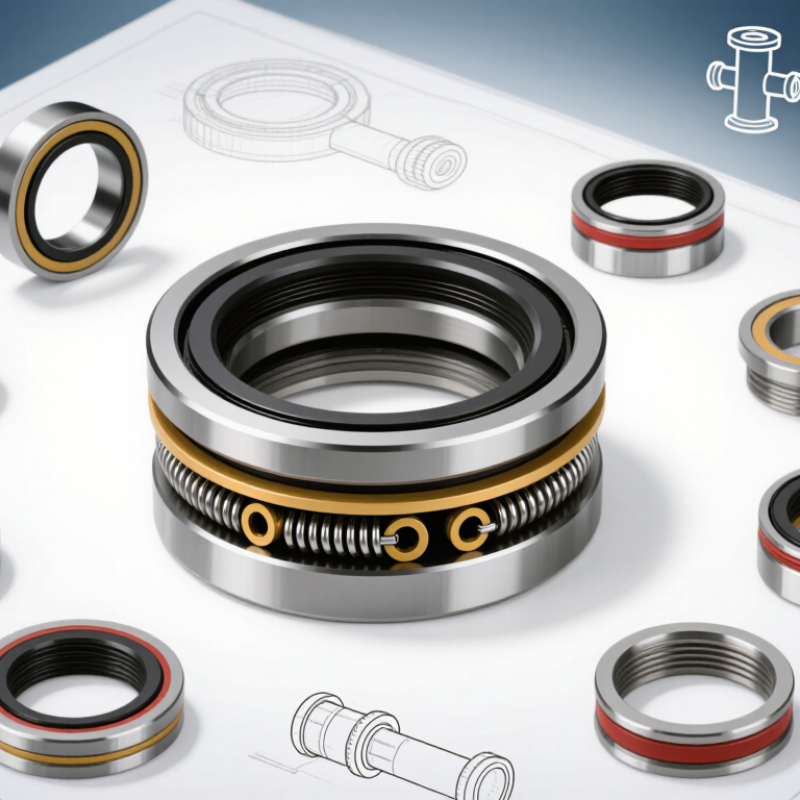
A mechanical shaft seal controls fluid leakage where a rotating shaft passes through a stationary pump housing. It replaces the packing that might otherwise rub continuously against the shaft. Inside the seal, one smooth face rotates with the shaft while another stays fixed in the housing. A spring presses the faces together, and small secondary seals close gaps around the components.
The faces are carefully finished, but they should not run completely dry. A thin film of the process fluid usually separates them, reducing friction while restricting leakage.
That gap matters.
On a pump moving hot water, for example, poor lubrication can quickly create heat, wear, and visible drips near the shaft.
Heat changes everything.
Seal performance depends on fluid properties, pressure, speed, temperature, and shaft alignment. Installers also check for vibration and damage on the shaft sleeve, since a tiny groove can shorten seal life.
Small details count.
A mechanical seal does not guarantee zero leakage under every condition. Some designs tolerate abrasive fluids better; others suit high temperatures or limited space. Choosing one means matching its materials and arrangement to the actual service, not just the equipment nameplate.
Field conditions can be messier than specifications suggest, and that deserves a second look.
Key Factors for Selecting an Industrial Shaft Seal
10 Best Mechanical Shaft Seals for Industrial Use?
Key Factors for Selecting an Industrial Shaft Seal
Choosing an industrial shaft seal starts with the process, not a catalog label. Identify the fluid, operating temperature, pressure, and shaft speed. A hot, abrasive slurry creates different demands from clean cooling water. Check whether the fluid can attack the seal faces or elastomers. Small details matter. Also review shaft runout, vibration, and alignment; even a suitable seal may leak when installation conditions are poor.
Seal materials and support arrangements should match actual operating conditions. Harder face materials can resist wear, but compatibility still depends on the fluid and duty cycle. Consider whether the equipment needs a flush, cooling, or barrier system, and confirm that the machine can provide it. Maintenance access matters, too. A seal that is difficult to inspect may increase downtime. Specifications do not tell the whole story, so compare them with operating records and ask what has failed before.
Tips: Measure the shaft and check its surface finish before ordering. Confirm temperature and pressure during startup, not only at steady operation. Leave room for maintenance. One caution: field readings can vary, and a tidy datasheet may hide a changing process. Verify assumptions with the people who operate the equipment.
Ten Mechanical Shaft Seal Designs for Industrial Use
Mechanical shaft seals are not one-size-fits-all parts. Ten useful designs address different fluids, pressures, and maintenance constraints. Common options include single-pusher, metal-bellows, elastomer-bellows, cartridge, split, balanced, unbalanced, tandem, double-pressurized, and non-contacting gas seals. Some categories overlap. That tidy list is imperfect. Balanced designs reduce hydraulic closing force, while split seals can simplify repairs on large pumps. Cartridge assemblies arrive pre-set; bellows designs avoid sliding secondary seals along the shaft.
Selection starts with fluid chemistry, temperature, pressure, speed, solids, and allowable leakage. Double-pressurized seals can suit hazardous or volatile fluids when barrier-fluid control is available. Tandem arrangements add an outboard containment stage. Gas seals avoid liquid barrier systems in suitable service, but need clean gas and precise clearances. Small details matter. At the bench, a scratched sleeve or incorrect elastomer can undermine an otherwise sound choice.
The U.S. Department of Energy’s Improving Pumping System Performance sourcebook estimates that pumping systems use nearly 20% of global electricity. It also reports they account for 25–50% of energy use in some industrial operations. Those figures are not seal-specific, but they show why leakage, friction, and shutdowns deserve attention. Track leakage, temperature, vibration, and flush consumption after installation. Review trends, not one reassuring reading.
10 Mechanical Shaft Seal Designs for Industrial Use
Comparison of the number of mechanical seal face pairs in representative single and dual configurations.
Single configurations have one face pair; dual configurations have two. Face-pair count alone does not indicate pressure capability, leakage performance, or suitability—selection depends on the fluid and operating conditions.
Installation and Maintenance for Reliable Seal Performance
A mechanical shaft seal can fail before the machine reaches its normal operating temperature if installation is rushed. Clean the shaft, sleeve, and seal chamber; even a small burr can damage a sealing face. Check shaft runout and alignment against the equipment manufacturer’s limits. Then confirm that the seal materials suit the process fluid, temperature, and cleaning chemicals. Compatibility is easy to overlook.
During assembly, avoid touching the polished faces with dirty gloves. Follow the seal drawing for orientation, compression, and fastener torque rather than relying on feel. Connect the flush or cooling lines as specified, and make sure they are not blocked or reversed. Before startup, verify lubrication and rotate the shaft by hand when the equipment procedure allows it. Dry running can cause rapid face damage. A checklist helps, though it cannot catch every mistake.
Tips: Record leakage, vibration, temperature, and flush pressure after startup. Compare readings over time, not just against a single “normal” value. Investigate changes early, and inspect seals during planned maintenance. A tiny drip may seem harmless, but it can signal wear or poor operating conditions. Don’t assume every seal failure has one cause.