Best Pillow Core Filling Machine for Efficient Production?
In the competitive world of pillow manufacturing, the efficiency of production can make or break a business. The "Pillow Core Filling Machine" has become pivotal in this industry, offering speed and precision. Expert Dr. John Smith, a well-known specialist in textile machinery, states, “Choosing the right filling machine can significantly affect production output and quality.” His insights are crucial for manufacturers striving for excellence.
Pillow Core Filling Machines have transformed how manufacturers approach production. With advancements in technology, these machines can fill various materials efficiently. Many companies now rely on these machines to maintain consistency in their products. However, not all machines are created equal. Some might not meet specific production needs, leading to frustration and inefficiencies.
The right Pillow Core Filling Machine should enhance productivity while ensuring quality. Manufacturers must evaluate their options carefully. It’s not just about purchasing the latest model; understanding the machine’s capabilities is vital. As the market evolves, staying informed and adaptable is essential for success in this dynamic field.
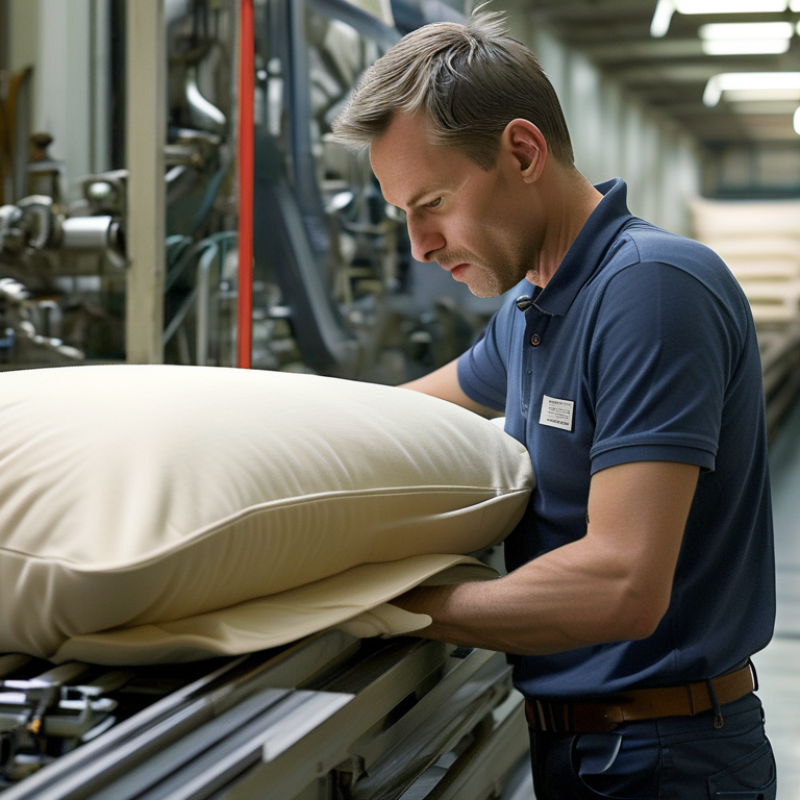
Types of Pillow Core Filling Machines Available on the Market
When exploring pillow core filling machines, understanding the types available is essential for efficient production. Common types include vacuum filling machines, which are designed to minimize air pockets and maximize filling density. These machines are popular for their capability to handle various materials while maintaining consistency. Another option is the manual filling machine, which allows more control over the filling process. This type is often favored by smaller manufacturers or for custom production runs.
Some machines offer advanced automation features, enabling faster production cycles and reducing labor costs. However, it’s important to consider the learning curve associated with these machines. Operators might need training to use complex controls effectively. Additionally, while automated systems boost efficiency, they can sometimes lead to issues like inconsistent fill levels if not calibrated correctly. Careful monitoring and maintenance are crucial for optimal performance.
The right choice depends on your production scale and the materials you use. Each machine has its strengths and potential challenges. Reflecting on your specific needs can guide you through the selection process. Effective production requires balancing speed with quality, ensuring that each pillow meets customer expectations.
Key Features to Look for in a Pillow Core Filling Machine
When selecting a pillow core filling machine, it's essential to focus on key features that enhance production efficiency. A machine with adjustable filling speed can significantly influence output. Fast operation is beneficial, but flexibility is equally crucial. Too high a speed might compromise quality. Operators should find a balance that maintains material integrity while boosting productivity.
Additionally, ease of maintenance is vital. Machines with user-friendly designs reduce downtime. Ensure that parts can be accessed easily for cleaning and repairs. A reliable machine minimizes interruptions and leads to consistent production levels. However, some machines may require specialized training. It's important to weigh the learning curve against operational benefits.
Incorporating automation technologies can provide precision in filling. Sensors that monitor material levels prevent overfilling or wastage. Yet, some systems can be overly complex. Simplicity should not be sacrificed for advanced features. Finding a machine that marries technology with usability is key for long-term success. Reliable machines contribute to overall operational efficiency while fostering a productive workplace environment.
Best Pillow Core Filling Machine for Efficient Production? - Key Features to Look for in a Pillow Core Filling Machine
| Feature | Importance | Specifications | Expected Output |
| Filling Speed | High | 20-30 pillows per minute | 100-120 pillows/hour |
| Machine Size | Medium | 4ft x 3ft x 4ft | N/A |
| Power Consumption | Moderate | 1.5 kW | N/A |
| Ease of Use | High | User-friendly interface | N/A |
| Maintenance Requirements | Moderate | Regular lubrication and inspections | N/A |
| Filling Material Compatibility | High | Foam, polyester, down | N/A |
Benefits of Using Efficient Pillow Core Filling Equipment
Efficient pillow core filling equipment offers significant advantages for manufacturers. A recent industry report highlighted that automated filling machines can increase production rates by up to 40%. This enhanced speed is vital for meeting growing consumer demands. With the right equipment, companies can fill more pillows in less time, reducing labor costs and maximizing profit margins.
Moreover, using advanced filling technology improves product consistency. Machines equipped with precision sensors ensure every pillow meets quality standards. This reliability is crucial, as even minor discrepancies can affect customer satisfaction. A survey indicated that nearly 30% of consumers prioritize quality over price when choosing bedding products. Therefore, maintaining a consistent filling quality is essential for brand loyalty.
While automation presents numerous benefits, it may also introduce challenges. Employees might require training to operate sophisticated machinery properly. The initial investment in high-quality equipment can be daunting for smaller businesses. However, the long-term cost savings and production efficiency often outweigh these initial hurdles. Continuous evaluation and adaptation are necessary to fully leverage the benefits of these machines.
Production Efficiency of Pillow Core Filling Machines
Maintenance Tips for Optimal Performance of Filling Machines
Maintaining the performance of pillow core filling machines is crucial for efficient production. Regular maintenance can significantly reduce downtime and enhance output. According to industry reports, proper upkeep can improve machine longevity by up to 30%. This statistic emphasizes the need for scheduled inspections and cleaning routines. Routine checks should include examining seals and hoses. Worn components can lead to leaks or pressure loss during operation. For example, a minor leak can decrease efficiency by approximately 15%. Operators should also ensure that the filling mechanism is calibrated correctly. Incorrect calibration can result in inconsistent fill levels, affecting product quality.
Moreover, keep the machine's environment clean. Dust and debris can infiltrate the machinery, leading to unexpected failures. Regularly clearing the surrounding area can mitigate this risk. Operators should also track performance metrics over time. Identifying trends can highlight areas needing further examination. Each machine has its quirks; understanding these can help in optimizing performance.
Cost Analysis of Different Pillow Core Filling Machine Models
When considering the cost of pillow core filling machines, several factors come into play. The initial investment for these machines can vary significantly based on their capabilities. Basic models tend to be more affordable, but they may lack advanced features. In contrast, high-end machines offer greater efficiency and speed, justifying their higher price. Analyzing long-term operational costs is crucial. Machines with lower energy consumption and less maintenance may save money over time.
Evaluating different models reveals a trade-off between cost and functionality. Some machines are designed for large-scale production, optimizing filling speed. Others are better suited for smaller operations but might require frequent manual intervention. This can lead to inconsistent product quality if not managed properly.
Furthermore, the price of replacement parts should not be overlooked. Unexpected repairs can quickly add to the overall cost of ownership. Each model has its pros and cons. Buyers must assess their production needs carefully. They should consider factors such as production volume and desired product quality.
While some machines may be budget-friendly, they could lead to inefficiencies. Balancing cost with functionality is key to sustainable production. Decisions should be based on thorough research and self-reflection on future requirements.