Best Ring Main Unit for Efficient Power Distribution Solutions?
The efficiency of power distribution relies heavily on quality equipment. A key player in this field is the Ring Main Unit (RMU). Industry expert Dr. Emily Johnson emphasizes, “The RMU is crucial for enhancing reliability in electrical networks.”
As urbanization increases, the demand for effective power solutions rises. Many organizations face challenges in balancing performance and safety. Choosing the right Ring Main Unit can make a significant difference. Selecting an efficient RMU impacts not just power management, but also operational costs and system reliability. However, the process isn't straightforward.
Many companies overlook the importance of integrating advanced features in their RMUs. Without smart technology, units may underperform. This oversight can lead to failures that affect entire districts. Keeping up with innovations is vital. Adapting to new standards not only improves safety but also promotes sustainability. Ultimately, the choice of a Ring Main Unit can define the future of power distribution.
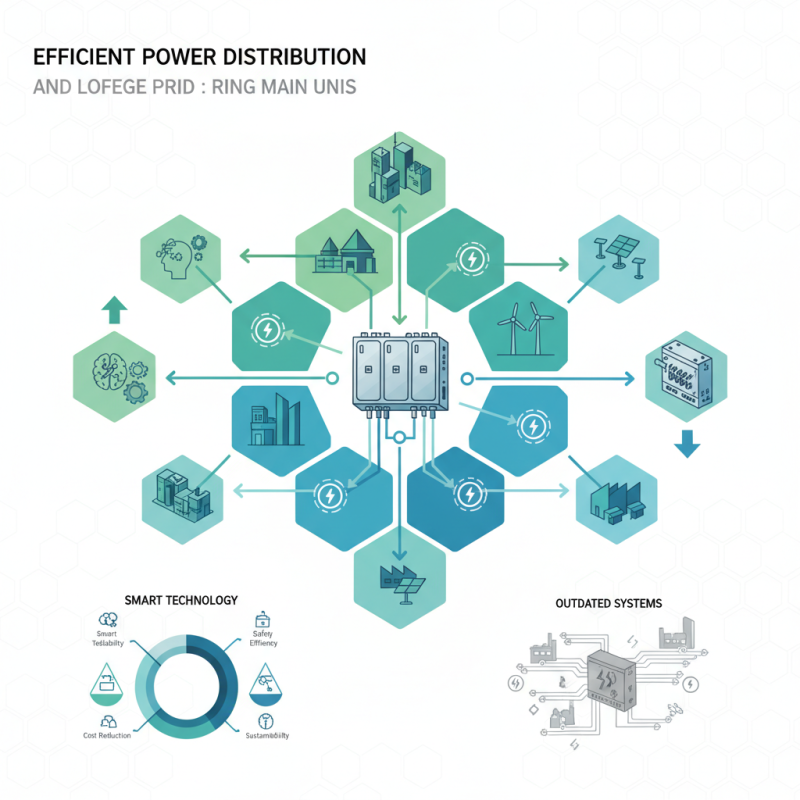
Understanding the Basics of Ring Main Units in Power Distribution
Ring Main Units (RMUs) play a critical role in efficient power distribution networks. Their design allows for reliable power delivery and reduced outages. According to a report from the International Energy Agency (IEA), the efficiency of power distribution systems can significantly improve with well-designed RMUs, leading to up to 15% lower energy losses. This is crucial for meeting rising demand and sustainability goals.
Manufacturing RMUs requires a balance of durability and functionality. They often include integrated protection and automation features, enhancing reliability. For instance, reports show that automated RMUs can decrease response times during faults by over 30%. However, the complexity of these systems can pose challenges in maintenance. A well-trained workforce is essential. Skilled technicians are needed to operate and troubleshoot RMUs effectively. The absence of expertise can lead to extended downtimes.
While RMUs offer many advantages, there are considerations to be mindful of. Installation can be costly, and retrofitting older systems may not always provide a return on investment. Furthermore, the spatial footprint of RMUs can be a constraint in densely populated urban areas. These factors necessitate a careful evaluation of long-term objectives and infrastructure compatibility, ensuring that the implementation of RMUs aligns with the overall power distribution strategy.
Best Ring Main Unit for Efficient Power Distribution Solutions
This chart illustrates the efficiency levels of different types of Ring Main Units (RMUs) based on key performance indicators such as load capacity, maintenance frequency, and installation cost. The data presented helps in understanding the optimal choices for power distribution solutions.
Key Features to Consider When Choosing a Ring Main Unit
When selecting a ring main unit (RMU) for effective power distribution, several key features deserve attention. First, consider the rating of the RMU. It should align with the anticipated load. A unit rated too low may lead to overload issues. Conversely, an oversized unit can be inefficient and costly.
Another aspect is the equipment's reliability under various conditions. Look for features that enhance durability. These may include weather-resistant enclosures and robust insulation. Also, evaluate the maintenance requirements. Ease of access and straightforward maintenance protocols can result in cost savings and reduced downtime.
Safety is paramount when choosing RMUs. Features such as arc fault protection and ground fault sensors increase operational safety. It's essential to analyze your specific needs against the available options. Balancing performance against budget is also a challenge. Each selection has trade-offs. Therefore, thorough research is vital. It can prevent costly mistakes later on and ensure sustainable operations.
Comparative Analysis of Leading Ring Main Units on the Market
Choosing the best ring main unit (RMU) for power distribution is crucial for efficiency. Many options are available in the market today, catering to various needs. Evaluating their features helps to identify which unit best fits specific applications.
When comparing leading RMUs, focus on their technical specifications. Look for ratings on voltage, insulation types, and reliability. Some units offer enhanced protection features, while others prioritize compactness for space-saving solutions. However, not all units are suited for every environment. Certain designs may struggle in harsh conditions, affecting their overall performance.
It's essential to gather insights from industry experts. Feedback from professionals provides a clearer understanding of real-world usage. Some units may present challenges with installation or maintenance. It’s vital to weigh the pros and cons before making a decision. Effectiveness should always align with safety and availability. Balancing these elements can lead to an optimal choice for any power distribution requirement.
Benefits of Efficient Power Distribution Solutions with RMUs
Efficient power distribution solutions are crucial for modern electrical systems. Ring Main Units (RMUs) play a significant role in achieving this efficiency. They allow for a reliable and flexible distribution of electricity. RMUs integrate seamlessly into existing infrastructures, minimizing disruption during installations.
The benefits of RMUs extend beyond simple reliability. They enhance safety features while reducing the risk of faults. This combination leads to lower maintenance costs over time. However, organizations must carefully evaluate the specific needs of their distribution networks. Not all RMUs meet every requirement. A detailed analysis of load capacities and environmental conditions is essential for optimal performance.
Additionally, while RMUs offer numerous advantages, they are not without their challenges. Some users may find the initial investment daunting. Training staff to operate and maintain these units can also add to the complexity. Open dialogue among stakeholders is vital to address these concerns. Making informed decisions requires a balance between the benefits and potential drawbacks. In the evolving landscape of electricity distribution, thoughtful considerations lead to better outcomes.
Best Practices for Installation and Maintenance of Ring Main Units
The installation and maintenance of Ring Main Units (RMUs) are crucial for optimal performance in electrical distribution systems. Proper installation ensures that these units function effectively, minimizing the risk of failures. Data from industry reports indicate that well-installed RMUs can reduce operational interruptions by up to 30%. This statistic highlights the importance of adhering to established installation practices, such as maintaining clearance for ventilation and ensuring proper earthing connections.
Routine maintenance is essential for longevity and reliability. Regular inspections can identify potential issues before they escalate. Studies show that 40% of RMU failures are preventable with consistent maintenance. These actions include checking for insulation degradation and verifying the integrity of connections. Small oversights, like neglecting corrosion, can lead to significant problems. Managers should encourage a proactive maintenance culture, where teams are trained to notice these subtle signs.
It is vital to document all maintenance activities. Accurate records help in analyzing trends and predicting future needs. However, many facilities overlook this aspect. Without documentation, it becomes challenging to assess the performance of RMUs effectively. Encouraging a structured approach in tracking maintenance efforts can lead to improved reliability and, ultimately, better power distribution solutions.