10 Best Robot Cafe Solutions for Global Buyers
The global café industry is entering a practical automation phase. International Federation of Robotics data reports nearly 200,000 professional service robots sold worldwide in 2023. Transportation and logistics led adoption, but hospitality is gaining attention. Cafés now test robotic baristas, automated kiosks, delivery units, and compact cooking systems.
The Robot Cafe is no longer just a futuristic display. It may include a robotic arm measuring espresso, a touchscreen ordering counter, or a mobile unit serving drinks beside a busy office entrance. Grand View Research identifies food robotics as a growing market, supported by labor shortages, consistency goals, and demand for faster service. These pressures affect airports, shopping malls, universities, hotels, and convenience stores differently.
The best solution is rarely the most expensive machine. Global buyers should compare beverage accuracy, cleaning routines, software integration, local maintenance, safety certification, and staff training. The International Federation of Robotics also emphasizes reliable human-robot collaboration, which matters in crowded customer areas. A café robot must work at 8 a.m., not only during a trade-show demonstration.
Performance can disappoint.
Some systems still struggle with irregular cups, changing menus, or unstable internet connections. Energy use and spare-part availability also deserve closer attention. A polished interface cannot repair weak after-sales support. This guide examines ten robot café solutions through those practical details, using industry research and buyer-focused criteria. The goal is not to promise effortless automation. It is to identify where each solution creates measurable value, where it adds complexity, and which assumptions deserve another review.
What Robot Cafe Solutions Are and How They Work
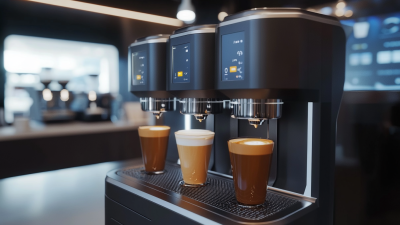
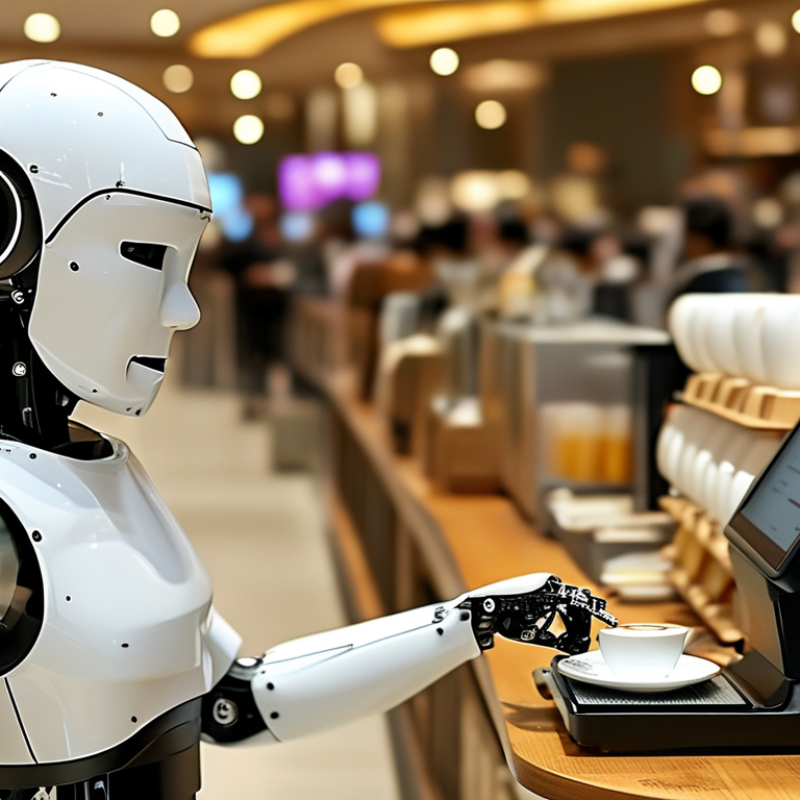
Robot cafe solutions combine automated drink preparation, ordering software, payment systems, and human supervision. A typical setup begins with a touchscreen or QR order. The system sends recipes to a grinder, brewer, dispenser, or robotic arm. Sensors check cup position, liquid volume, and machine status. A separate screen then alerts staff or customers when collection is ready.
The International Federation of Robotics reported nearly 200,000 professional service robots sold in 2023, about 30% more than the previous year. Hospitality applications contributed to this growth, although the category remains smaller than logistics automation. For global buyers, the practical question is not whether a robot looks impressive. It is whether the workflow remains stable during peak demand, low staffing, and changing menus. Good systems record preparation time, error rates, ingredient usage, and cleaning events. They should also support local payments, electrical standards, language settings, and food-safety procedures.
Experience shows that automation does not remove every operational problem. A blocked nozzle can stop service faster than a human worker can react. That matters. Buyers should test remote diagnostics, manual override, sanitation access, and maintenance response times before signing contracts. The National Restaurant Association’s 2024 industry report identified labor cost and recruitment as continuing operator concerns, but robots cannot replace judgment, hospitality, or quality checks. A human still needs to inspect equipment, handle exceptions, and correct poorly designed recipes. Cost savings may also arrive slower than expected. Planning should include training, spare parts, software updates, and daily cleaning time.
Key Features Global Buyers Should Evaluate
For global buyers, choosing among the 10 best robot cafe solutions requires more than watching a smooth demonstration. The machine should prepare drinks consistently, manage queues, and recover safely from simple errors. Ask for measured serving times during busy periods, not only ideal laboratory results. A clear cleaning routine matters, especially around milk, ice, and shared touchscreens.
Local compliance should guide every purchase. Check electrical standards, food-contact materials, accessibility requirements, and payment regulations in each target market. Reliable suppliers should provide maintenance records, operator training, spare-parts plans, and documented software updates. These details reveal operational maturity. They also reduce unpleasant surprises after installation.
Integration deserves close attention. The solution should connect with inventory tools, digital menus, payment systems, and remote monitoring without creating excessive technical work. Review data protection practices before collecting customer information. A strong evaluation also compares total ownership costs, including installation, consumables, downtime, cleaning labor, and service visits. Cheap equipment may become expensive when support is slow.
Not every metric fits.
A small airport kiosk needs different capacity from a hotel lounge. Buyers should run a supervised pilot with real staff, local ingredients, and realistic customer traffic. Observe noise, accessibility, drink quality, and failure recovery. A polished demo can hide weak performance under pressure. My own evaluation preference would include human oversight, because automation still needs judgment when machines encounter unusual orders, cultural preferences, or equipment faults. No scoring model is perfect, so procurement teams should record assumptions and revisit them after several weeks of operation.
Installation, Integration, and Operational Requirements
For global buyers, a robot cafe is an operating system, not a countertop appliance. Installation begins with floor loading, stable power, drainage, ventilation, and safe customer flow. A small site may still need dedicated circuits and washable wall surfaces. The International Federation of Robotics reported 541,302 industrial robot installations worldwide in 2023. This scale shows stronger automation capacity, but cafe equipment requires different controls. Food-contact parts, emergency stops, guarding, and local electrical certifications must be verified before delivery. Integration should connect the robot with POS systems, inventory software, payment terminals, and remote diagnostics. Weak integration creates manual work.
Tips:
Request a site survey before signing. Test network failure, payment failure, and ingredient shortages. Keep a manual service route. Train staff to clean nozzles, refill materials, and respond to alarms safely. A simple checklist beside the machine can prevent expensive confusion.
Operational planning matters more than impressive demonstrations.
Define opening checks, cleaning intervals, temperature logs, waste handling, and spare-part storage. The Global State of Cybersecurity in Retail report has repeatedly identified connected retail systems as attractive attack targets, so access controls and software updates need ownership. Customer data should be minimized and protected. A pilot should measure order time, uptime, cleaning labor, rejected drinks, and staff interventions. Perfect deployment is unrealistic. Early results may expose poor layout or slow recovery procedures. That feedback is useful, if buyers record it honestly and revise the workflow.
Pricing, Support, and International Purchasing Considerations
For global buyers, the ten best robot cafe solutions are not always the most expensive. Price depends on brewing modules, payment systems, software, installation, and local service coverage. The International Federation of Robotics reported nearly 205,000 professional service robots sold in 2023. This signals demand, but it also reveals a crowded and uneven market. Request a full landed-cost quote, including shipping, customs duties, training, spare parts, and software fees. A low purchase price can hide expensive downtime.
Support matters as much as hardware. Ask whether technicians can respond in your time zone and whether remote diagnostics work with weak café networks. The International Data Corporation has repeatedly identified integration and skills shortages as major barriers to automation adoption. Buyers should therefore test drink consistency, cleaning time, refill alerts, and recovery after a failed payment. Require written service-level terms. Vague promises are risky. Also check electrical standards, language options, accessibility, data handling, and local warranty procedures before signing an international order.
Tips: Compare at least three suppliers using the same checklist. Request a live demonstration with your cups, recipes, and payment workflow. Confirm delivery terms and replacement-part availability in writing. Review the return process carefully; international returns can be slow and costly. A polished demo may still miss real café pressure. The most useful pilot is imperfect, busy, and measurable. Cite: International Federation of Robotics, World Robotics 2024; International Data Corporation, worldwide automation and robotics research.
10 Best Robot Cafe Solutions for Global Buyers
Indicative comparison of representative robot-cafe solution types by typical turnkey equipment price. Prices are estimated international supplier-market ranges in USD and may vary with automation level, customization, shipping, installation, and local compliance.
International purchasing note: Confirm warranty coverage, remote diagnostics, spare-parts availability, local electrical and food-safety certifications, installation support, staff training, and delivery terms before placing an order. Higher-priced systems generally provide greater capacity and integration, while compact kiosks usually offer simpler deployment and lower entry costs.