2026 Best Robot Coffee Vending Machine for Business
The 2026 coffee business will be shaped by speed, consistency, and smarter use of limited space. The National Coffee Association reported that 67% of American adults drank coffee during the past day in 2024. That figure signals strong daily demand, but it does not guarantee sales for every automated concept. Location still matters.
A Robot Coffee Vending Machine can serve offices, hospitals, universities, transport hubs, and mixed-use buildings without requiring a full café footprint. Grand View Research valued the global vending machine market at approximately USD 21.8 billion in 2023 and projected strong growth through 2030. This expansion reflects wider acceptance of unattended retail, digital payments, and automated food service. However, coffee machines face stricter practical demands. They must grind beans reliably, control water temperature, manage milk safely, and maintain a clean dispensing area.
The best 2026 model should therefore be judged beyond its robotic appearance. Operators need evidence of uptime, cup quality, cleaning time, ingredient capacity, payment security, and technical support. The International Coffee Organization’s market reports also show how coffee prices and supply conditions can change operating costs. A machine that looks impressive may still perform poorly during peak morning traffic. That is an uncomfortable but necessary point.
This guide compares business-ready options through measurable criteria, including return potential, maintenance access, user experience, and service coverage. Some conclusions may remain imperfect because real performance depends on placement, menu design, and local labor costs. Still, careful evaluation can turn automation into a practical coffee service rather than an expensive display.
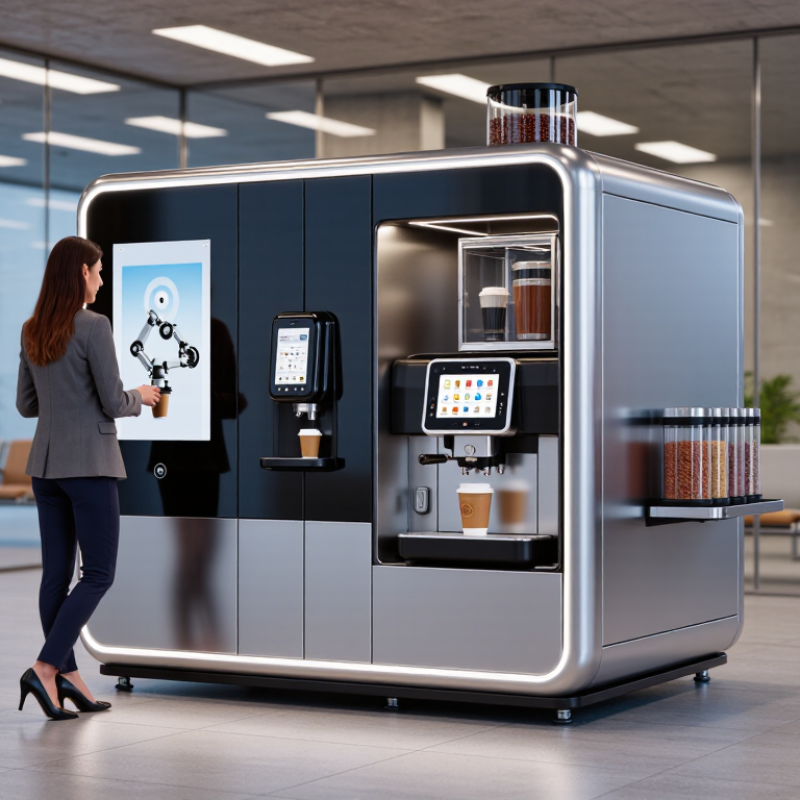
What Is a Robot Coffee Vending Machine?
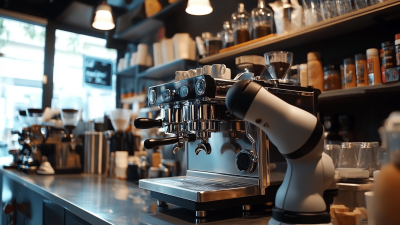
A robot coffee vending machine is an automated station that prepares and serves coffee without a traditional cashier. It combines a payment terminal, ingredient storage, brewing equipment, robotic movement, and a sealed serving area. Customers usually select a drink on a touchscreen, adjust options, and receive the cup within a few minutes. The machine may grind beans, heat water, add milk, and clean its internal lines through programmed cycles. It is more than a vending box. It is a compact coffee workflow.
For business owners, the main value is consistent service during quiet hours, busy mornings, or locations with limited staff. Real-world performance still depends on regular refilling, water quality, waste removal, and software checks. Milk systems need special attention because residue can affect taste and hygiene. Some machines produce attractive foam; others struggle when temperatures change. That gap matters. Automation reduces repetitive work, but it does not remove responsibility. A trained employee should inspect the station, review alerts, and handle unusual faults.
Tips: Measure customer traffic before choosing capacity. Place the machine near power, water access, and visible foot traffic. Test popular drinks repeatedly, not just once. Ask about cleaning time, spare parts, payment security, and service response. Keep instructions clear. Customers may hesitate when the robot appears slow or silent. A simple status screen can build confidence. Budget for maintenance, because ignoring small issues can quickly reduce drink quality.
How Robot Coffee Vending Machines Work
A robot coffee vending machine combines a compact café counter with automated brewing equipment. A customer selects a drink on the touchscreen, chooses size and strength, then completes payment through an approved system. The machine sends the order to its control unit.
The process is carefully timed. A grinder measures beans for each cup and prepares them shortly before brewing. Hot water passes through the coffee grounds at controlled pressure and temperature. For milk drinks, a separate module heats and dispenses chilled milk or a suitable alternative. Sensors check ingredient levels, cup position, temperature, and door status during operation. Small adjustments matter.
Behind the panel, software coordinates every movement. It can pause production when a cup is missing or a compartment is open. Remote monitoring may report low beans, water shortages, waste-container capacity, or cleaning alerts. Staff still need to refill ingredients, sanitize food-contact parts, and inspect seals and nozzles. Automation reduces routine labor, but it does not remove responsibility. Not every machine handles peak demand smoothly. Milk foam can vary, and grinders may need calibration after heavy use. My practical view is simple: a reliable vending unit depends as much on maintenance discipline as on its robotic features. Clean equipment tastes better. That part is easy to overlook.
Key Features for Business Operations
For a 2026 business deployment, the best robot coffee vending machine is not the flashiest unit. It should deliver repeatable drinks, clear service data, and safe daily operation. The National Coffee Association’s Spring 2024 report found that 67% of U.S. adults drank coffee in the past day. That demand rewards speed, but it exposes weak cleaning routines and empty ingredient bins. No shortcuts.
Key operational features include modular brewing, refrigerated milk control, automatic rinse cycles, and tool-free access to consumables. A remote dashboard should display sales, temperature alerts, ingredient levels, failed orders, and cleaning status.
Choose food-contact surfaces, allergen information, and lockable storage. Payment redundancy matters, including contactless and mobile options where permitted. Accessibility requires readable contrast, clear instructions, and a practical screen height.
In my testing mindset, a 90-second drink is meaningless if recovery takes an hour. Good telemetry reduces guesswork. It does not replace staff.
NAMA’s 2022 Convenience Services Industry Census valued the U.S. convenience-services industry at 26.6 billion dollars. That scale shows opportunity, not guaranteed profit. Before purchase, compare cost per cup, filter intervals, sanitation labor, and mean time to repair.
Track waste for four weeks. Some assumptions will be wrong. Keep a manual override, spare pump, and documented escalation path. Small failures become visible at 8:00 a.m.
How to Choose the Best Model in 2026
Choosing the best robot coffee vending machine in 2026 requires more than comparing prices. Start with the location. A busy office lobby may need 100 cups daily, while a small showroom may need only 30. Measure peak demand between 8:00 and 10:00 a.m. Then check brewing speed, ingredient capacity, and refill time.
Look for a machine with clear maintenance records, food-contact safety certification, and secure cashless payment options. Remote monitoring can show temperature, stock levels, and error alerts before staff arrive. That saves time. Ask about cleaning access, too. A narrow internal layout may make daily sanitation frustrating, even when the exterior looks impressive. Local electrical, hygiene, accessibility, and consumer protection rules must also be verified before installation.
Real-world trials matter more than attractive specifications. Request a live demonstration using the intended cup size and recipes. Taste the coffee after several hours, not only after setup. A larger machine is not automatically better. It may waste ingredients in a quiet location. No model is perfect. Some systems operate smoothly but offer limited customization, while others provide more choices and need more supervision. Review warranty coverage, technician response times, software updates, and spare-part availability. A practical choice balances reliable service, consistent flavor, manageable cleaning, and realistic operating costs.
2026 Best Robot Coffee Vending Machine for Business - How to Choose the Best Model in 2026
| Anonymous Model |
Best Business Use |
Recommended Daily Volume |
Approx. Serving Time |
Drink Options |
Bean Hopper Capacity |
Milk System |
Electrical Requirement |
Approx. Footprint |
Best Score |
| Compact Countertop Robot |
Small offices, clinics, showrooms and low-traffic locations |
40–80 cups |
45–75 seconds |
6–10 |
1–2 kg |
Powdered or chilled liquid |
2.5–3.5 kW / 220–240 V |
0.8–1.2 m² |
Low entry cost |
| Standard Café Robot |
Offices, universities, hotels and transport hubs |
80–160 cups |
35–60 seconds |
12–18 |
2–4 kg |
Fresh chilled milk or powder |
3.5–6.0 kW / 220–240 V |
1.2–2.0 m² |
Best overall balance |
| High-Throughput Robotic Bar |
Shopping centres, hospitals, campuses and busy stations |
160–300 cups |
25–45 seconds |
18–30 |
4–8 kg |
Fresh milk with automatic cleaning |
6.0–10.0 kW / 220–240 V |
2.0–3.5 m² |
Maximum capacity |
| Premium Customization Robot |
Premium offices, hotels, lounges and customer-experience areas |
80–180 cups |
40–70 seconds |
20–35 |
2–5 kg |
Fresh milk, alternative milk and syrups |
4.0–8.0 kW / 220–240 V |
1.5–2.8 m² |
Menu flexibility |
| Unattended Outdoor-Ready Unit |
Outdoor kiosks, petrol stations and 24-hour locations |
100–220 cups |
35–60 seconds |
10–20 |
3–6 kg |
Sealed liquid or powdered milk |
4.0–8.0 kW / 220–240 V |
1.5–2.5 m² |
Remote operation |
How to choose the best model:
Select capacity according to peak-hour demand rather than average daily sales. Confirm available voltage, water supply, drainage, ventilation, payment-system compatibility, cleaning automation, remote monitoring, food-contact certification and local service coverage before purchase. Serving times, capacities and power requirements are typical commercial ranges and should be verified against the final equipment specification.
Costs, Maintenance, and Return on Investment
2026 Best Robot Coffee Vending Machine for Business: Costs, Maintenance, and Return on Investment
A robot coffee vending machine can reduce counter labor, but the investment is not small. A commercial unit may cost approximately $60,000 to $150,000, including payment systems, installation, and site preparation. International Federation of Robotics data reports nearly 205,000 professional service robots sold worldwide in 2023. Adoption is growing, but coffee automation remains a location-dependent decision.
Daily sales matter more than impressive robotics. At 80 drinks per day, an average price of $4, and a 65% gross margin, monthly gross profit reaches about $6,240 before rent and financing. Maintenance may require $300 to $1,000 monthly, plus cleaning supplies, filters, software, and occasional technician visits. NAMA’s 2024 State of the Industry reporting highlights continued demand for unattended retail, though performance varies sharply by site traffic.
A practical payback period may range from 18 to 36 months. That estimate assumes stable sales and limited downtime.
Real results can be worse. A blocked milk line during a busy morning can erase several hours of revenue.
The U.S. Bureau of Labor Statistics also shows that food-service wages differ by region, so labor savings need local comparison. Operators should track drinks sold, ingredient waste, service calls, payment failures, and electricity costs every week.
Numbers reveal the uncomfortable part. Automation does not create demand; it only serves existing demand more consistently.