2026 Best Shale Shaker Screen Types for Oil and Gas Industry?
In the oil and gas industry, the role of shale shaker screens is pivotal. These screens are vital for separating solids from drilling fluid. According to recent market analysis, the demand for effective shale shaker screens is expected to grow significantly by 2026. Reports suggest a projected increase in global exploration activities, driving the need for advanced screening solutions.
Different types of shale shaker screens are tailored for specific drilling conditions. For instance, composite screens provide durability and efficiency. However, the industry still faces challenges. Many companies struggle to select the right type that matches their operational requirements. This mismatch can lead to inefficient drilling and increased costs.
Studies indicate that using the proper shale shaker screen can enhance drilling performance by up to 30%. Yet, some operators remain unaware of the latest innovations. This gap highlights an ongoing need for education within the industry. Understanding the various types of screens can make a significant difference in operational success.
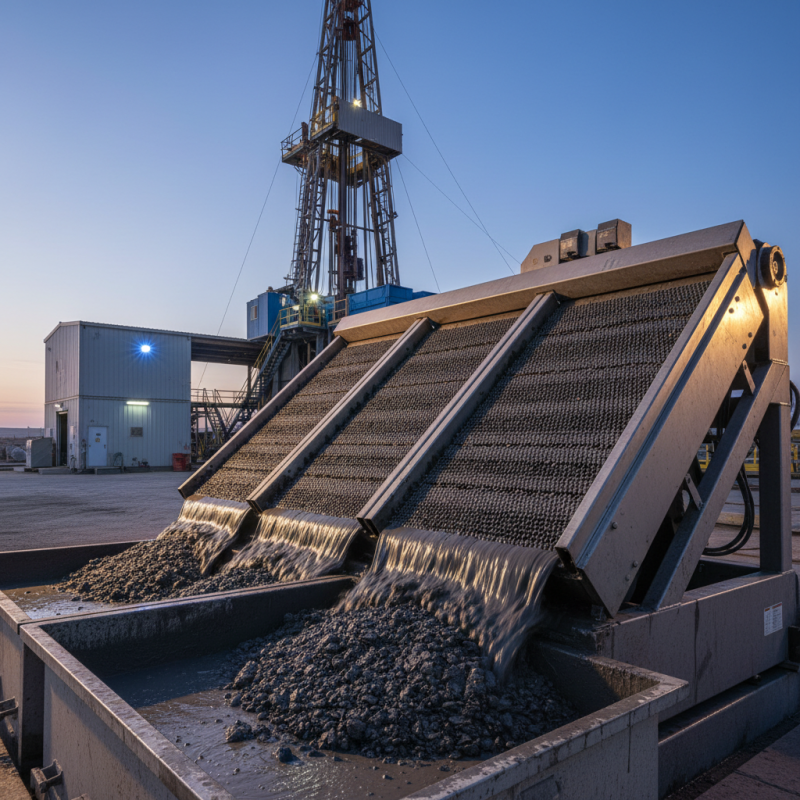
Overview of Shale Shaker Screens in the Oil and Gas Industry
Shale shaker screens play a vital role in the oil and gas industry. They separate cuttings from the drilling fluid. This process ensures efficient drilling operations. Proper selection of screens can improve performance significantly. The screens vary in size, material, and structure.
To maximize efficiency, consider the screen's mesh size. Finer meshes capture smaller particles. However, they can also restrict fluid flow. Striking a balance is crucial. Assess the specific needs of your drilling operation.
Timing is important too. Replace worn-out screens regularly to keep performance up. Neglecting this can lead to costly downtime. Pay attention to screen wear patterns; they can indicate potential issues before they become major problems. Remember, effective maintenance can extend the life of your shaker screens.
Key Types of Shale Shaker Screens for Enhanced Performance
In the oil and gas industry, shale shaker screens play a critical role in drilling efficiency. The right screen type can enhance performance significantly. Recent reports indicate that proper screen selection can improve solids removal rates by up to 90%. This improvement can directly influence the overall drilling process, leading to cost reductions.
There are several types of shale shaker screens available. Composite screens, for example, offer a lightweight and durable option. They can withstand harsh conditions while providing excellent filtration. Metal screens, however, may not perform as well in certain environments. Some users still rely on them despite potential drawbacks. The choice of material impacts wear rates and replacement costs, which can complicate decision-making.
Another key aspect to consider is the mesh size. Different mesh sizes target specific particle sizes. Larger meshes allow faster flow but may not filter finer particles adequately. Conversely, smaller meshes can impede flow. Finding the right balance is essential but not always straightforward. Operators often need to adjust their choices based on real-time performance metrics and environmental conditions. This ongoing assessment highlights the complexities in optimizing shale shaker screen usage.
2026 Best Shale Shaker Screen Types for Oil and Gas Industry
| Screen Type | Material | Mesh Size (µm) | Used For | Performance Rating |
| Composite Shaker Screen | Composite Material | 75-100 | High VISC fluids | Excellent |
| Steel Frame Shaker Screen | Steel | 60-200 | Low to Medium VISC fluids | Good |
| Tensioned Shaker Screen | Polyurethane | 40-150 | High flow rates | Very Good |
| Fine Mesh Shaker Screen | Stainless Steel | 30-100 | Fine solids removal | Excellent |
| Dual-Profile Shaker Screen | Polymer and Steel | 50-120 | Mixed fluid types | Very Good |
Material Composition and Durability of Shale Shaker Screens
Shale shaker screens play a crucial role in the oil and gas industry. Their material composition directly affects performance and durability. Most screens are made from woven wire mesh, polyurethane, or composite materials. Each type has unique strengths and weaknesses. Woven wire mesh offers great flexibility but can degrade faster in harsh conditions. On the other hand, polyurethane screens are more resistant to wear but may be less adaptable.
Durability is key. Screens must endure intense pressure and abrasive fluids. Some screens wear out prematurely, leading to downtime and added costs. Operators often struggle to balance material cost with longevity. It takes careful consideration to choose the right type. For instance, screens that are too rigid may break under high-stress situations, while softer materials can lead to clogging.
Advancements in technology may offer better options. Hybrid screens combining materials could improve efficiency. However, these innovations often come with a learning curve. Proper installation and maintenance practices also determine how long screens last. The industry must remain proactive in addressing these challenges to improve performance and reduce waste.
Innovative Technologies Influencing Shale Shaker Screen Design
The design of shale shaker screens is evolving rapidly. Innovative technologies are reshaping how these screens are produced and utilized. Advanced materials are making screens more durable and efficient. These improvements allow for better separation of solids from liquids, enhancing productivity on drilling sites.
Real-time monitoring is another game changer. This technology provides operators with immediate data on screen performance. Adjustments can be made swiftly, reducing downtime. However, relying on technology also introduces potential issues. If systems fail, operators may face delays that could have been avoided.
Furthermore, understanding the environmental impact of materials is crucial. Sustainable options are emerging, but they require careful evaluation. Not every new material meets performance standards. Companies must balance innovation with practicality. Ultimately, the right choice depends on specific drilling conditions and environmental regulations.
Future Trends in Shale Shaker Screen Development for 2026
As the oil and gas industry evolves, so do shale shaker screen technologies. In 2026, trends will lean towards increased efficiency and sustainability. New materials are emerging. These promise greater durability and reduced waste. Lightweight composites may replace traditional materials. This transition could help reduce the environmental impact of drilling operations.
Innovations in mesh design will also play a critical role. Fine-tuned openings will enhance separation processes. Screens will become more effective. However, challenges remain. Balancing screen strength and permeability is a complex task. Engineers must thus explore new configurations and tests. They need to ensure optimal performance under various conditions.
Concerns about cost will be significant as well. Operators may hesitate to adopt new technologies without clear benefits. Economic pressures can stunt innovation. Ultimately, collaboration across the industry is crucial. Sharing insights between engineers and operators will drive improvements. Feedback loops must remain open for advancing shale shaker screen designs in the coming years.
2026 Best Shale Shaker Screen Types for Oil and Gas Industry
This chart shows the projected distribution of different shale shaker screen types used in the oil and gas industry for the year 2026. The data reflects the expected market preferences and trends in shaker screen technology.