Best Sport Smart Watch Features to Consider for Buyers?
The demand for Sport Smart Watches has surged in recent years, reflecting a growing interest in health and fitness tracking. According to a report by MarketsandMarkets, the global market for smartwatches is expected to reach $96.31 billion by 2027. This shift highlights the increasing value consumers place on monitoring their physical activity. "Sport Smart Watches offer users an unparalleled advantage in understanding their fitness levels," says Dr. Emily Carter, a leading expert in wearable technology.
Choosing the right Sport Smart Watch can be daunting. Many features cater to various needs, from heart rate monitoring to GPS functionality. It's essential to consider what fits your lifestyle and goals. Some watches boast advanced metrics like VO2 max and recovery time, while others focus on user-friendly interfaces.
As the market evolves, functionality becomes more diverse, but not all features are necessary. Buyers should reflect on their actual requirements. Balancing overall performance with user experience is crucial in picking a Sport Smart Watch that truly enhances athletic pursuits.
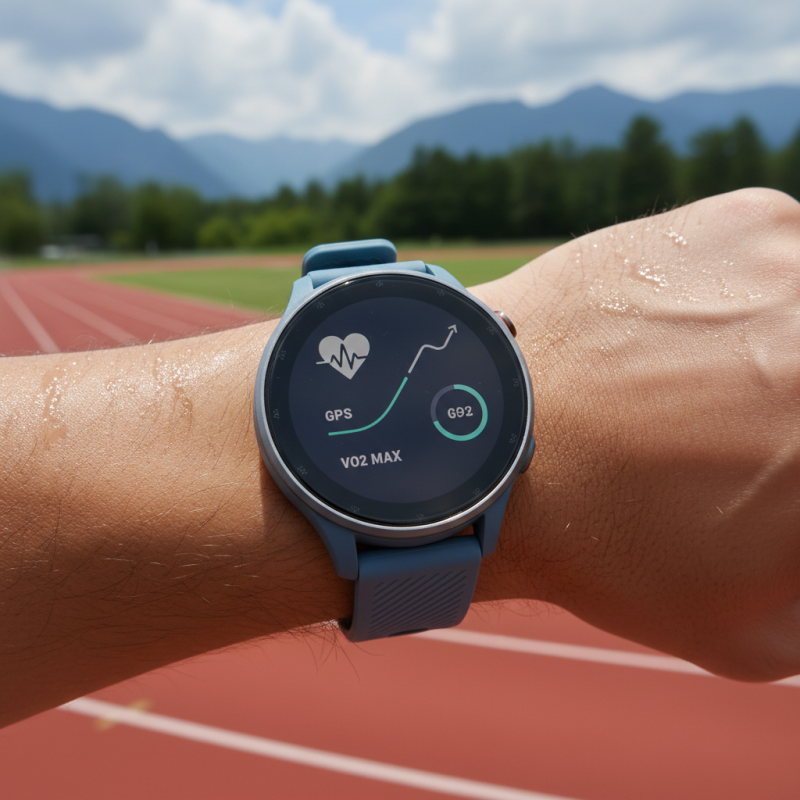
Key Features of Sport Smart Watches for Active Lifestyles
When considering a sport smart watch, look for features that enhance your active lifestyle. A built-in heart rate monitor is crucial. It allows you to track your heart rate during workouts. Understanding your heart rate helps in optimizing your training. Accurate data can lead to better performance.
GPS functionality is another non-negotiable feature. It tracks your distance and location during runs or rides. This helps you explore new routes confidently. Additionally, waterproof capabilities are essential for those who swim or run in the rain. Water resistance ensures the watch survives any activity, offering peace of mind.
Battery life is also a significant consideration. You don’t want your device dying mid-workout. Long battery life will support your needs, especially for endurance athletes. Some watches also have recovery tracking features, which suggest rest days based on your activity level. These insights help prevent overtraining. Sometimes, despite all features, a watch might not meet expectations. Reflect on what truly matters to you before purchasing.
Fitness Tracking Capabilities: Heart Rate, Steps, and Calories Burned
When selecting a sport smartwatch, fitness tracking capabilities stand out. Heart rate monitoring is crucial for understanding your cardiovascular health. A good watch should provide real-time heart rate data. This feature helps you optimize your workouts and ensure you stay within your target heart rate zone. Accuracy can vary, so reviewing user feedback is wise.
Steps tracking is another fundamental feature. Many users underestimate the importance of tracking daily steps. A reliable smartwatch should offer insights into your daily movement, encouraging a more active lifestyle. Some devices even allow you to set personalized goals. However, not all step counters are created equal. Users may notice discrepancies, prompting a thoughtful evaluation of the device’s accuracy.
Calories burned tracking is vital for those focused on weight management. This feature estimates caloric expenditure throughout the day. Some smartwatches factor in your individual metrics, like age, weight, and height. Yet, the numbers provided can sometimes feel off, leading to questions about their reliability. Balancing these figures with other methods can enhance your fitness journey. Make sure to consider these functionalities carefully before making your purchase.
Battery Life and Charging Options for Extended Use
When choosing a sport smartwatch, battery life and charging options are crucial. Long-lasting battery performance directly impacts usability. According to a 2023 report by the International Data Corporation, more than 70% of consumers prefer smartwatches that last at least 5 days between charges. Many models struggle to meet this expectation, leading to user frustration.
Efficient charging options also play a vital role. Quick charging capabilities enable users to spend less time tethered to a power source. Some advanced models offer 60% charge in under 30 minutes. However, not all brands provide this feature, leading to disappointment among buyers seeking convenience.
Users should consider their activity levels as well. For intense workouts, a watch with an extended battery can provide peace of mind. Yet, certain smartwatches may drain quickly during GPS tracking or heart rate monitoring. Reflecting on personal usage patterns can help in selecting the right model. Buyers need to weigh the balance between battery endurance and daily features, as this choice impacts overall satisfaction significantly.
Best Sport Smart Watch Features to Consider for Buyers
| Feature | Description | Average Battery Life | Charging Options |
| Heart Rate Monitoring | Tracks heart rate during workouts and daily activities. | 7 days | Magnetic charging dock |
| GPS Tracking | Provides location tracking for outdoor activities. | 10 days | USB charging cable |
| Water Resistance | Suitable for swimming and water sports. | 5 days | Wireless charging pad |
| Sleep Tracking | Analyzes sleep patterns and quality. | 6 days | Standard wall charger |
| Activity Tracking | Counts steps, tracks workouts and daily movements. | 8 days | Desktop docking station |
Compatibility with Mobile Devices and Fitness Apps
In the rapidly evolving world of sport smartwatches, compatibility with mobile devices and fitness apps stands out as a crucial feature. A recent report by market research groups highlighted that 70% of users prioritize seamless integration with smartphones and popular fitness applications. This allows for a cohesive experience when tracking workouts and monitoring health metrics.
Multiple analytics suggest that nearly 65% of consumers express frustration when their smartwatches don't sync correctly with their phones. Compatibility issues can lead to missed notifications and irregular activity tracking. Furthermore, some wellness apps offer advanced analytics. Users expect their devices to harness this data effectively.
A well-integrated smartwatch provides access to a variety of fitness apps. This diversity enhances usability but can overwhelm new users. Not all apps are created equal. Some may lack sufficient features or updates. Buyers should research which fitness apps align with their goals. This ensures they choose a device that fits their lifestyle and needs. Balancing functionality and user-friendliness is key in this market.
Durability and Water Resistance Ratings for Outdoor Activities
When choosing a sport smartwatch, durability is essential. Many users report that a device capable of withstanding falls and scratches is crucial for outdoor activities. According to a 2022 report by the International Wearable Technology Association, 75% of outdoor enthusiasts prioritize durability in their tech devices. Look for watches constructed from materials like stainless steel or reinforced polymer.
Water resistance is another key feature. Many smartwatches now come with ratings, such as IP68 or ISO 22810. An IP68 rating means the device can withstand dust and submersion in water beyond 1 meter. Meanwhile, ISO 22810 ensures usability during shallow-water activities. A study found that over 60% of athletes engage in training that includes water exposure, highlighting the importance of this feature.
Reflecting on the need for improved ratings, some users express frustration with limited water resistance in certain models. Even highly-rated watches may not perform well under extreme conditions. Athletes participating in triathlons often encounter this issue. Selecting a smartwatch that combines both durability and water resistance can be challenging but is essential for outdoor performance. It is worth evaluating user reviews and industry insights to find a model that meets these demanding standards.