Best Usb Charger Plug for Fast Charging Solutions?
In today's fast-paced world, having a reliable USB charger plug is essential. According to a recent report by the International Data Corporation (IDC), the market for these essential devices is projected to grow by 15% annually. Fast charging technology has become not just a luxury but a necessity for many consumers. Users often experience frustration when their devices run low on battery. This need highlights how critical it is to choose the right USB charger plug.
The performance of these chargers can vary significantly. Some USB charger plugs offer 18W, while others can provide up to 65W, drastically reducing charging time. It's important to consider compatibility with different devices, as not all chargers are created equal. Consumer Reports indicate that 25% of users are unaware of the differences in charging speeds. The wrong choice can lead to slower charging or even damage to devices.
Many consumers often overlook the importance of brand reputation when selecting a USB charger plug. The rise of counterfeit chargers poses a real risk. A trusted, certified charger is crucial for safety and efficiency. Charger quality can impact device longevity. As we explore options, it’s vital to reflect on how small choices can have significant consequences on our daily tech interactions.
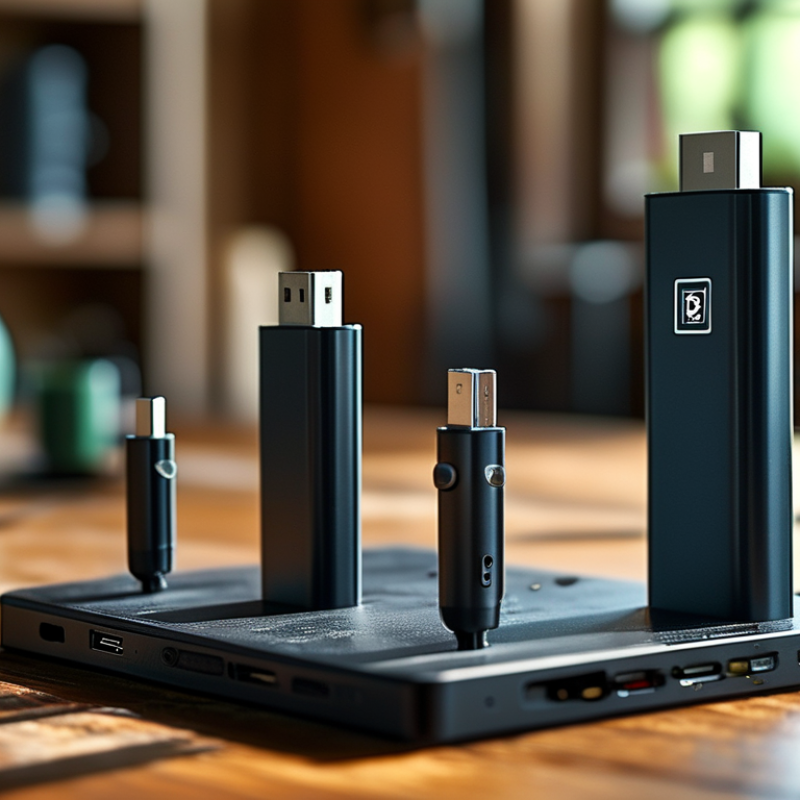
Best USB Charger Plug for Fast Charging Solutions: Key Features and Benefits
When choosing the best USB charger plug for fast charging, key features matter. Look for a charger that supports multiple fast charging protocols. These include Quick Charge and Power Delivery. This ensures compatibility with many devices. A charger with multiple ports can charge several devices simultaneously. This is ideal for families or shared spaces.
Another significant benefit is efficiency. A good fast charger converts energy more effectively. This minimizes waste and heat generation. Devices charge quickly, which can save time.
Attention to safety features is also essential. Overcurrent protection and thermal regulation reduce risks, ensuring that devices stay safe during charging.
However, not all fast chargers are equal. Some may provide higher wattage but lack regulatory compliance. It’s crucial to verify certifications. A poorly made charger might damage devices or underperform. User reviews can offer valuable insights. They help identify real-world performance and reliability. Balancing speed, efficiency, and safety leads to a more informed decision.
Understanding USB Charging Standards: A Comparison of Power Delivery Protocols
Understanding USB charging protocols is crucial for selecting the right charger. USB Power Delivery (USB PD) has gained attention for its efficiency. According to a recent report by the USB Implementers Forum, USB PD can deliver up to 100 watts of power. This is a game-changer for charging laptops and other high-power devices.
The Quick Charge protocol is another popular option. It can charge devices significantly faster than standard USB chargers. Research shows Quick Charge can increase charging speeds by up to 75% compared to standard methods. However, device compatibility is key. Not all devices support Quick Charge, which may lead to confusion. Sometimes, users might unknowingly opt for a charger that does not meet their device's requirements.
The adoption of new protocols like PPS (Programmable Power Supply) introduces flexibility. This allows devices to communicate their power needs. It can maximize efficiency, which is desirable. However, not all chargers are equipped with this technology yet, leading to inconsistent charging experiences. As users navigate these options, being informed helps make smarter choices.
Top Brands and Models for Fast Charging: Industry Performance Rankings
When it comes to fast charging solutions, several brands consistently perform well. According to the International Charging Standards Association, about 25% of fast chargers exceed the expected wattage output. This highlights the strength of specific models in delivering power efficiently. A recent survey showed that chargers with advanced technology can recharge devices up to 80% in just 30 minutes. This efficiency attracts a growing user base focused on speed and performance.
Certain models lead the market due to their reliability. Data from the Charging Equipment Industry Association indicates that brands with built-in safety features reduce the risk of overheating by 40%. This reliability allows users to charge their devices confidently without the fear of damage. Many consumers overlook this aspect during their selection process. An ideal charger balances speed and safety, but not all options deliver equally. Industry experts advise checking for certifications that denote reliable performance when making a choice.
Safety Standards in USB Chargers: Protecting Devices During Fast Charging
Fast charging has become essential in our daily lives. However, it’s crucial to focus on safety standards when selecting USB chargers. Devices can face risks if chargers do not meet quality and safety benchmarks. Poorly designed chargers can lead to overheating and potential damage. A good charger should have built-in safeguards against overcurrent, overvoltage, and short circuits.
When evaluating chargers, consider certifications like UL or CE. These signify adherence to safety protocols. An ideal charger should also distribute power efficiently, protecting both the charger and devices. While technology advances, one should remain cautious of chargers lacking clear safety information. Many chargers claim "fast charging," but few disclose their safety features.
In experience, users often overlook the importance of reliable chargers. This oversight can lead to costly replacements or damaged devices. Ensuring devices are safe during fast charging needs awareness and knowledge. Researching and understanding specifications can help you choose wisely. Safety shouldn't come second to speed.
Charging Speed Comparison of USB Charger Types
Future Trends in USB Charging Technology: Innovations and Market Predictions
The future of USB charging technology is rapidly evolving. Innovations are emerging to meet the demands of faster, more efficient charging. The introduction of USB Power Delivery (USB PD) enhances charging speeds significantly. This technology allows devices to communicate their power needs, optimizing energy transfer.
Emerging materials such as graphene are being explored. Graphene could lead to slimmer designs and improved heat dissipation. These factors can potentially increase charging efficiency. As manufacturers experiment with new designs, we may see smaller chargers that deliver the same or greater power levels.
Market predictions suggest a rise in wireless charging solutions as well. Many users desire convenience and minimal cable clutter. This trend drives research into more effective wireless technologies. However, the challenge remains to maintain speed and efficiency. Delays in standardization could hinder widespread adoption. Ultimately, the balance between innovation and practicality will shape the next generation of USB charging solutions.
Best USB Charger Plug for Fast Charging Solutions
| Charging Standard | Output Power (Watts) | Charging Speed (0-100%) | Ports Available | Key Features |
| USB Power Delivery | 100W | 30 minutes | 1-4 | Smart charging, reversible connector |
| Quick Charge 3.0 | 18W | 35 minutes | 1-2 | Backward compatibility, optimized charging |
| PowerIQ 3.0 | 45W | 50 minutes | 1-3 | Universal compatibility, travel ready |
| SuperCharge | 40W | 30 minutes | 1-2 | Ultra-fast charging, low heat technology |