
Best Vertical Turning Center Machine for Global Buyers?

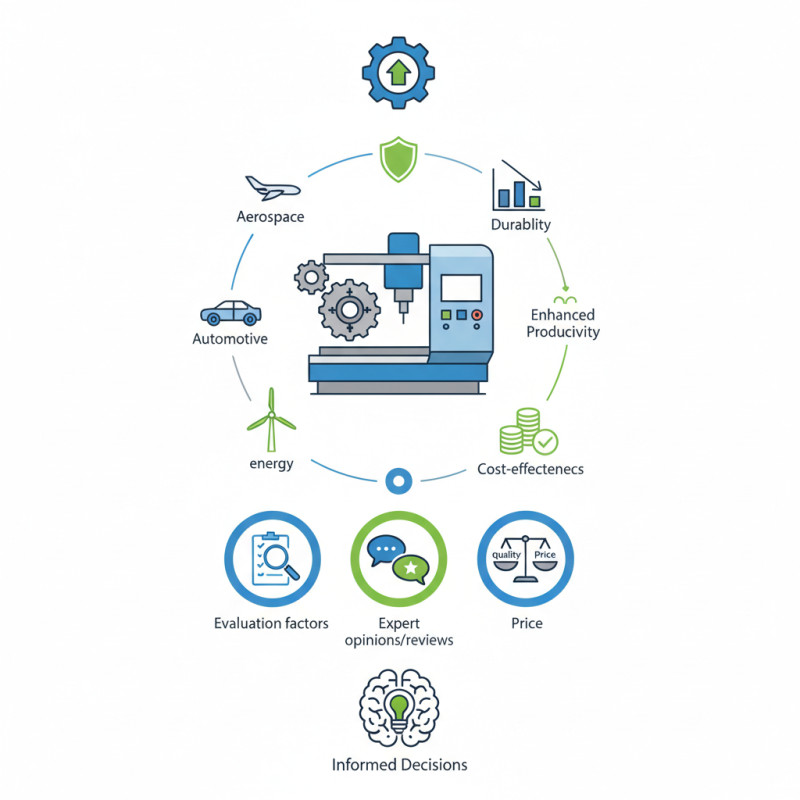
In the world of manufacturing, choosing the right equipment is crucial. The Vertical Turning Center Machine stands out for its versatility and efficiency. Buyers around the globe seek reliable machines that can enhance productivity. These machines are essential for various industries, from aerospace to automotive.

Investing in a Vertical Turning Center Machine requires careful consideration. Prospective buyers must evaluate factors like performance, durability, and cost. Each machine's features can significantly impact operations. However, the overwhelming number of options can cause confusion. Not all machines meet high industry standards.

Additionally, not every manufacturer is trustworthy. Some may exaggerate product capabilities. Buyers should seek expert opinions and reliable reviews. While it’s tempting to choose based on price alone, quality should never be compromised. Reflecting on these aspects leads to informed decisions.
Best Vertical Turning Center Machine for Global Buyers?

Overview of Vertical Turning Center Machines

Vertical turning center machines play a vital role in modern manufacturing. They are designed for precise machining of large and heavy workpieces. These machines optimize both efficiency and accuracy. They can significantly reduce production cycle times. In many industries, they are an essential component.

When selecting a vertical turning center, consider the size and weight capacity. Some machines may not handle particularly large components well. Be sure to assess features like tooling options and spindle speed. These factors can affect your production strategy.

Tips: Regular maintenance is crucial for maximizing lifespan. Neglecting maintenance can lead to costly repairs and downtime. Don’t overlook the importance of training operators. Well-trained staff ensure optimal machine performance. An inexperienced operator may lead to errors or accidents. Investing in quality training pays off in the long run.

Another factor to think about is flexibility. Some vertical turning centers offer more versatility in terms of machining capabilities. A machine that can handle a variety of materials might save time and resources. However, these machines may require more complex programming. It's important to weigh these considerations when making a decision.

Key Features to Consider in a Vertical Turning Center

When selecting a vertical turning center, professionals must evaluate several core features. Precision is paramount. Look for machines that offer high accuracy in dimensions. According to industry reports, machines with a tolerance of ±0.005 mm are considered top-tier. This precision minimizes the need for rework, which boosts overall productivity.

Another vital aspect is the machine's rigidity. A rigid machine can withstand heavy cuts without deformation. This quality directly affects the surface finish and tool life. Stability during operation reduces wear on components, ultimately lowering maintenance costs. Data shows that increased rigidity can improve productivity by up to 30%.

Tip: Always consider the control system. An intuitive interface can significantly reduce the learning curve for operators. Training time is a hidden cost that can impact overall efficiency.

The size of the workpiece the machine can handle is also crucial. Machines that accommodate larger items can expand production capabilities. Many users find themselves needing to adapt to larger parts over time. If a machine cannot adapt, it risks becoming obsolete quickly.

Tip: Regularly assess your production needs. As market demands change, so should your equipment strategy.

Global Leaders in Vertical Turning Center Manufacturing

The vertical turning center machine segment is rapidly evolving. Industry data indicates a projected growth rate of 6.5% annually over the next five years. This rise highlights the increasing demand for precision machining in various sectors, including aerospace and automotive. As manufacturers seek to enhance efficiency, integrating advanced technology becomes vital.

Top manufacturers in vertical turning center production prioritize innovation and quality. They focus on providing cutting-edge features, such as enhanced spindle speeds and robust torque capabilities. Reports show that machines equipped with these features can boost productivity by up to 30%. However, some companies struggle with maintaining consistent quality control. This inconsistency can lead to operational inefficiencies.

The global market is influenced by several factors. Supply chain disruptions and fluctuating material costs pose challenges. While many companies invest heavily in R&D, not all keep pace with customer expectations. This creates an opportunity for growth but also emphasizes the need for continuous improvement. Customers increasingly demand machines that are not just reliable but also adaptable to new technologies.

Comparative Analysis of Vertical Turning Centers on the Market

When assessing vertical turning centers, it’s crucial to consider various factors. These machines are pivotal in enhancing efficiency in manufacturing. Different models offer unique features that cater to diverse operational needs. Key aspects include stability, precision, and versatility.

Stability affects performance significantly. Machines with robust construction minimize vibrations, ensuring higher accuracy. Precision is essential, especially for intricate components. Some models may excel in speed but compromise on fine detail. Versatility can impact overall productivity. A machine suited for multiple applications allows for adaptability in production lines.

Buyers should carefully evaluate these elements. It’s important to seek insights from experienced operators and technicians. They can provide valuable feedback on durability and maintenance. Additionally, reviewing user experiences may help identify potential shortcomings. Not every machine will meet every requirement perfectly. Therefore, thorough research is vital for making informed decisions.

Future Trends in Vertical Turning Center Technology

The future of vertical turning center technology is evolving rapidly. Manufacturers are integrating advanced automation features to enhance productivity. Automation can streamline operations, reduce cycle times, and improve precision. These machines are becoming more user-friendly, allowing operators to focus on higher-level tasks.

Another trend is the integration of AI and machine learning. These innovations help in predictive maintenance, identifying potential issues before they occur. Data analytics are playing a pivotal role in optimizing machining processes. This shift can lead to better resource management and increased efficiency.

However, the transition to these advanced systems poses challenges. Skilled operators must adapt to new technologies. Not all facilities have the budget for such upgrades. The need for training and development cannot be overstated. While innovation paves the way for enhancement, careful planning is required to harness its full potential.

Best Vertical Turning Center Machine for Global Buyers? - Future Trends in Vertical Turning Center Technology

Feature Specification Benefits Future Trends
Spindle Speed 6000 RPM Improved productivity and machining efficiency Increased automation and smart features
Max Workpiece Diameter 800 mm Enhanced versatility for different applications Integration with IoT for predictive maintenance
Control System CNC with Touchscreen User-friendly interface and easier operation AI-enabled features for process optimization
Power Consumption 15 kW Lower operating costs Sustainable technology adoption
Dimensional Accuracy ± 0.005 mm High precision machining for better results Advancements in machine calibration techniques

CONTACT US