2026 Best Water Pump Casing Options and Features Explained
In the world of water management, the choice of water pump casing plays a crucial role. According to industry reports, the global water pump market is expected to reach $47 billion by 2026. Factors driving this growth include increasing urbanization and the need for efficient water systems. Water pump casings protect the internal components and ensure longevity, yet many users overlook their significance.
The right water pump casing can enhance performance and prevent costly repairs. Recent studies indicate that inadequate casings can lead to a 15% reduction in efficiency. It is essential to consider materials, design, and compatibility with specific pump types. Some common options include cast iron, stainless steel, and thermoplastics, each offering unique benefits and drawbacks.
Yet, challenges remain in choosing the ideal casing. Many users struggle with understanding the impact of various features on overall system performance. To make informed decisions, users must evaluate their needs and the environmental conditions where the water pump will operate. Reflecting on these factors can lead to better choices and improved water management systems.
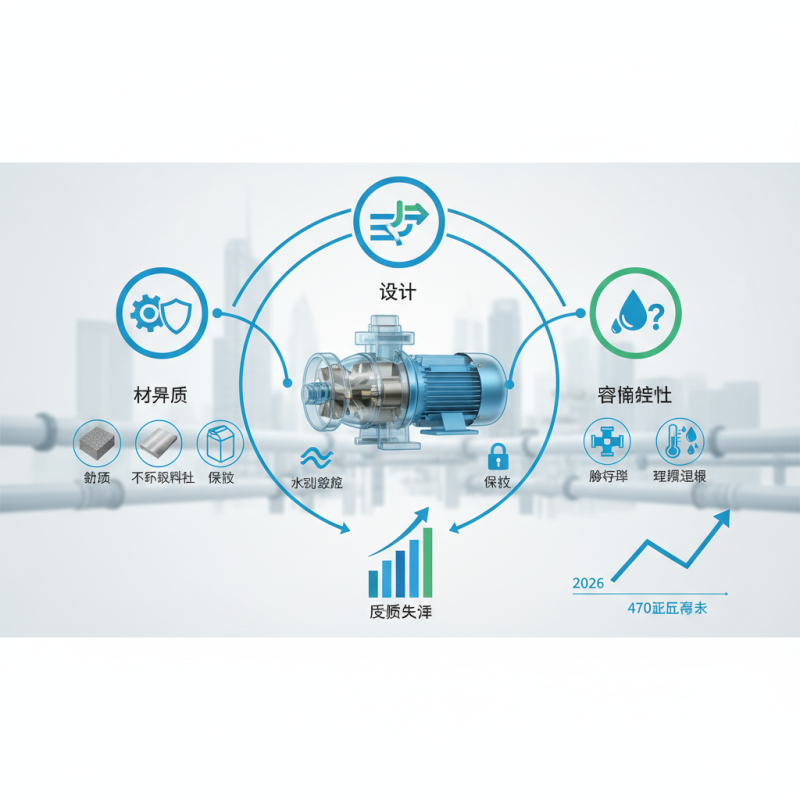
2026 Overview of Water Pump Casing Types and Their Uses
Water pump casings are critical components in various applications. Understanding their types and uses helps in selecting the right one for specific needs. The main types include close-coupled, frame-mounted, and mag-drive casings. Each type has unique advantages and limitations.
Close-coupled casings save space. They are compact and easy to install. However, they may not handle high pressure as effectively as others. Frame-mounted options can endure heavy-duty operations. They often allow for more robust configurations. Yet, they occupy more physical space, which may be a drawback in confined areas. The mag-drive casings, on the other hand, offer significant advantages in preventing leakage. They are widely used in chemical processes. Yet, they come with higher costs.
According to industry reports, nearly 35% of users encounter issues due to improper casing selection. Selecting the right casing impacts efficiency and operational costs. Proper research is essential to avoid mistakes. Some casings may seem ideal but fail under specific conditions. Failure to address these aspects can lead to inefficient operations and higher maintenance costs. Keeping up with evolving industry standards is crucial for making informed decisions.
Key Features to Consider in Water Pump Casings for 2026
When selecting water pump casings for 2026, several key features are essential. Durability is among the top concerns. A casing made from corrosion-resistant materials can ensure a longer lifespan. According to recent industry reports, over 40% of casing failures are due to material degradation. Thus, selecting high-quality materials can significantly impact performance.
Another critical feature to consider is thermal efficiency. Efficient heat dissipation plays a crucial role in maintaining pump reliability. Data shows that poor thermal management can reduce pump efficiency by up to 20%. Adequate design can prevent overheating. Engineers must assess the cooling methods integrated within the casing.
Additionally, the ease of maintenance is crucial. Casings designed with accessibility in mind can reduce downtime. A significant percentage of users report challenges with maintenance processes. These headaches could lead to increased operational costs. In 2025, nearly 30% of users emphasized the need for more user-friendly designs. This feedback highlights the importance of balancing robustness with maintainability.
2026 Best Water Pump Casing Options and Features
Materials for Water Pump Casings: Best Options and Their Benefits
When choosing materials for water pump casings, several options stand out. Each material possesses unique characteristics that cater to different applications. For instance, cast iron is often praised for its durability and strength, making it a popular choice for heavy-duty pumps. Reports indicate that 45% of industrial pumps utilize cast iron casings due to its excellent wear resistance. However, it can be prone to rust if not coated properly.
Stainless steel is another popular option. It provides superior corrosion resistance and longevity. Research shows that stainless steel casings can improve pump lifespan by up to 30%. This is essential for applications involving corrosive fluids. Yet, the cost is significantly higher, which can deter budget-conscious projects.
Plastic casings, such as polypropylene, are gaining traction in lightweight applications. They are resistant to chemicals and corrosion, but their strength is often questioned. Studies reveal that plastic can degrade over time when exposed to UV light or extreme temperatures. Choosing the right material requires a balance of performance, cost, and environmental conditions. Different scenarios may yield different outcomes, necessitating extensive evaluation before making a final choice.
2026 Best Water Pump Casing Options and Features Explained
| Material | Durability | Corrosion Resistance | Weight | Cost | Best Use Cases |
| Cast Iron | High | Moderate | Heavy | $$ | Industrial Applications |
| Aluminum | Good | High | Lightweight | $$$ | Residential/Commercial |
| Plastic (PVC) | Moderate | Excellent | Very Light | $ | Irrigation Systems |
| Stainless Steel | Very High | Excellent | Moderate | $$$$ | Food Industry |
| Fiberglass | Good | Good | Moderate | $$ | Chemical Processing |
Comparative Analysis of Leading Water Pump Casings Available in 2026
When evaluating water pump casings in 2026, various materials and designs stand out. The sector shows a trend towards lightweight composites due to their corrosion resistance and durability. A recent industry report indicates that about 40% of manufacturers have switched to such materials, reflecting their long-term cost benefits. These casings perform well in various environments, enhancing pump efficiency.
However, not all lightweight options are created equal. Some manufacturers have compromised structural integrity for weight. This raises concerns about the longevity of such casings under extreme conditions. A review of feedback from users shows that nearly 30% reported failures in less than two years. It’s critical to analyze construction standards and warranties offered by manufacturers to ensure reliability.
In contrast, traditional metals still hold a significant market share. They often provide superior strength but can be heavier and prone to corrosion. Data reveals that 55% of operators favor metal casings for heavy-duty applications. The ongoing debate between lightweight and robust designs continues, prompting a need for balance and careful selection based on specific operational needs. Understanding these nuances can greatly influence performance and maintenance costs.
Tips for Selecting the Right Water Pump Casing for Your Needs
When selecting a water pump casing, the material plays a crucial role. Common materials include cast iron, stainless steel, and plastic. Each offers different benefits. For example, cast iron delivers durability and strength. However, it can rust in harsh environments. Meanwhile, stainless steel is resistant to corrosion and ideal for chemical applications. Yet, it tends to be heavier and more expensive. Plastic casings are lightweight and resistant to corrosion but may not endure high temperatures.
Consider the pressure rating of the casing. Most residential pumps operate within a range of 30 to 60 psi. It’s essential to choose a casing that meets or exceeds this requirement. A mismatch can lead to leaks or breakdowns. According to industry data, improper casing selection can reduce pump efficiency by up to 25%. This highlights the need for careful evaluation.
Size is another key factor. Different applications require different casing sizes. For example, larger agricultural pumps often need more substantial casings than residential versions. A poorly sized casing can hinder performance, leading to inefficiencies. Consult specifications and consider the whole system, including plumbing and expected flow rates. It’s a balancing act requiring attention to detail.