What is China Bedding Fabric and How to Choose the Best?
China Bedding Fabric plays a crucial role in the textile market. According to industry reports, the global bedding market is projected to reach $86 billion by 2027. This growth indicates an increasing demand for quality materials. As consumer preferences shift towards luxury and sustainability, selecting the right bedding fabric becomes essential.
Expert insights highlight the importance of choosing appropriate materials. Dr. Li Jun, a renowned textile specialist, states, "The right bedding fabric can significantly enhance sleep quality and comfort." This underscores the need for careful consideration when selecting China Bedding Fabric. Various fabrics, from cotton to silk, offer different benefits. Consumers should be aware of factors like breathability and durability.
As competition in the bedding industry intensifies, the need for reliable suppliers grows. However, not all products meet high standards. Shoppers must ensure they choose certified materials. A lack of knowledge can lead to poor choices that affect health and comfort. Hence, understanding the nuances of China Bedding Fabric is vital for making informed decisions.
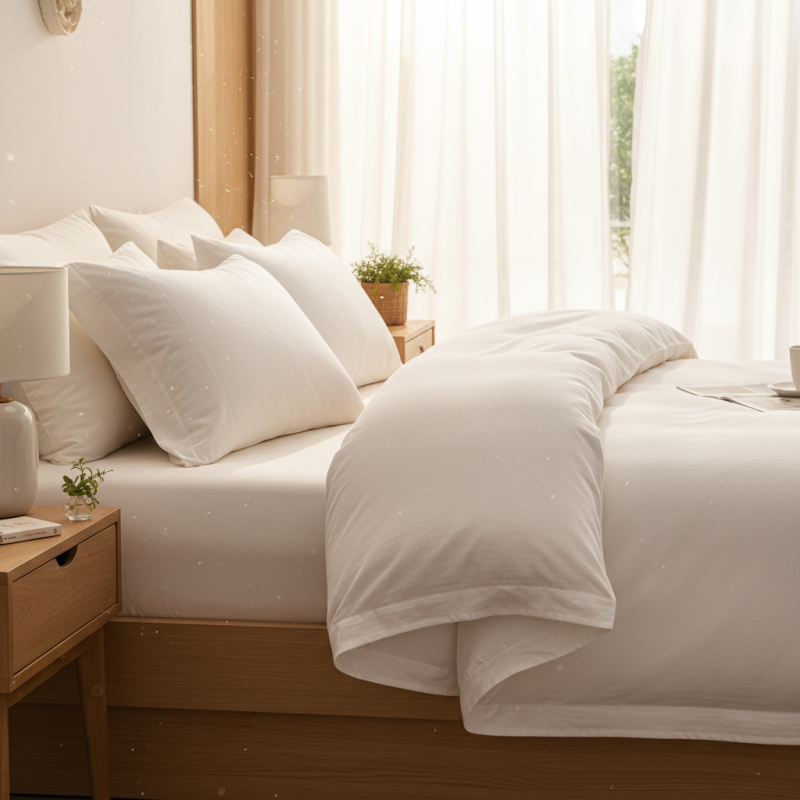
Understanding China Bedding Fabric: An Overview
Bedding fabric from China is notable for its quality and variety. It encompasses materials like cotton, linen, and polyester. Each type offers unique features. For example, cotton bedding is soft and breathable. Linen is durable and has a natural texture. On the other hand, polyester offers stain resistance and easy care.
When selecting bedding fabric, consider your preferences. Think about the climate in your region. Lightweight fabrics work well in warmer areas. In contrast, heavier options may suit cooler climates better. Pay attention to fabric thread counts. A higher thread count often indicates a smoother, more luxurious feel. However, that isn’t always the only indicator of quality.
It's essential to recognize that not every product marketed as high-quality is indeed so. Some fabrics may look good but lack durability. Examine the stitching and finishing details for better quality assurance. Also, pay attention to your skin sensitivities; some fabrics may cause irritation. Exploring samples before purchasing can help ensure you’re making an informed decision.
Types of China Bedding Fabrics and Their Characteristics
China bedding fabrics come in various types, each with unique characteristics. Cotton, for instance, is prized for its softness and breathability. According to a market research report by Statista, the global demand for cotton bedding is expected to reach billions by 2025. Cotton’s natural fibers are hypoallergenic, making it a popular choice for sensitive skin.
Silk is another luxurious option. It's smooth and has a natural sheen. Silk bedding can regulate temperature, offering comfort in both summer and winter. The Silk Association of America notes that silk provides excellent moisture-wicking properties. This helps maintain a comfortable sleeping environment. However, its cost can be a drawback for many consumers.
Polyester is gaining popularity due to its durability and affordability. It resists wrinkles and fading, which makes it practical for everyday use. A report by Grand View Research states that the polyester bedding market is expected to expand at a significant rate, driven by consumer trends toward low-maintenance options. While polyester is less breathable than natural fibers, advancements in technology continue to improve its performance. Choosing the right bedding fabric involves weighing these characteristics against personal needs and preferences.
What is China Bedding Fabric and How to Choose the Best? - Types of China Bedding Fabrics and Their Characteristics
| Type of Fabric | Characteristics | Best Use |
| Cotton | Soft, breathable, and hypoallergenic; good moisture absorption. | Everyday use and suitable for all seasons. |
| Silk | Luxurious feel, smooth texture; naturally hypoallergenic and temperature regulating. | Luxury bedding and special occasions. |
| Linen | Strong, durable, breathable; has a natural rustic look. | Warm weather and casual settings. |
| Polyester | Durable, wrinkle-resistant, and quick drying; can mimic other fabrics. | Budget-friendly options and easy care. |
| Bamboo | Soft, naturally antibacterial, and moisture-wicking; eco-friendly. | Eco-conscious consumers and sensitive skin. |
Factors to Consider When Choosing Bedding Fabric
Choosing the right bedding fabric is crucial for comfort and durability. When assessing options, several key factors come into play. One important consideration is the fabric type. Cotton is breathable and soft, making it ideal for everyday use. Linen, on the other hand, excels in moisture-wicking properties and offers a unique texture. According to a 2022 report by the Textile Institute, 70% of consumers prefer natural fibers due to their comfort and eco-friendliness.
Another factor is the thread count. A higher thread count typically means a softer fabric. However, excessively high thread counts can lead to durability issues. A study from the International Journal of Textiles found that fabrics with a thread count above 800 showed diminishing returns on softness. For durability, look for a thread count between 300 and 500.
Tips: Always check for fabric blends. A mix of cotton and polyester can provide the softness of cotton with the resilience of polyester. Additionally, consider fabric weight. Heavier fabrics can offer more warmth, making them suitable for winter months. Light fabrics, however, are perfect for summer.
Lastly, don't overlook care instructions. Some fabrics require delicate washing methods, which might not fit your lifestyle. It's essential to weigh convenience against aesthetic appeal. Finding the right balance means assessing both preferences and practicality.
Tips for Maintaining and Caring for Your Bedding Fabric
Maintaining bedding fabric requires attention and care. Wash your linens regularly to remove dust and allergens. Use a gentle detergent to preserve the fabric's texture and color. Hot water can damage fibers; stick to cool or warm water instead. Always check the care label for specific washing instructions.
Storing your bedding properly is essential for its longevity. Avoid damp areas that can encourage mold. Fold your linens neatly and store them in a breathable cotton bag. Avoid plastic, which can trap moisture. If you notice stains, treat them immediately. Soaking the fabric can be effective, but test a small area first.
Remember, your bedding fabric reflects your personal style and comfort. Cutting corners on care can lead to fading or wear over time. Observe any changes in texture or smell after washing. If something feels off, it might be time for a deep clean or even a replacement. Treat your bedding with respect; it is an essential element of a good night's sleep.
Bedding Fabric Types and Their Popularity
Comparing Price and Quality in China Bedding Fabric Selection
When selecting bedding fabrics in China, price and quality are key factors. The price range can vary significantly. According to industry reports, premium bedding fabrics can cost up to 30% more than standard materials. This price difference often reflects the fabric's durability, softness, and breathability. Higher quality fabrics, such as cotton and bamboo blends, typically offer better comfort and longevity.
However, budget options are available. While they may be appealing, they often compromise on quality. Reports suggest that lower-end fabrics may lead to quicker wear and fade, impacting overall satisfaction. It’s essential to compare specifics. For instance, a 100% cotton fabric is generally more breathable than polyester blends, making it a better choice for hot climates.
Still, it’s important to approach choices with caution. Many consumers find themselves overwhelmed by options. Each fabric claims uniqueness, but not all hold up to scrutiny. Some may look beautiful but lack the necessary performance. Reviewing customer feedback and expert opinions can provide valuable insights. Balancing price and quality requires careful consideration, so take the time to explore before you decide.