How to Choose the Best Anti Drone Device for Your Needs?
In today's rapidly evolving technological landscape, the use of drones has surged. While drones offer various benefits, they also pose significant risks in certain contexts. The need for an effective Anti Drone Device is increasingly critical. These devices can help safeguard sensitive areas and protect privacy. However, choosing the right one can be challenging.
An ideal Anti Drone Device should match specific needs and circumstances. Factors such as range, detection capabilities, and anti-jamming features are vital. It's essential to consider the environment where the device will be deployed. For instance, urban areas require different solutions compared to rural settings. You might also reflect on your budget constraints and the level of expertise needed for operation. Each choice carries responsibilities.
Ensuring reliability is a key concern when selecting your Anti Drone Device. Many products claim superiority without tangible proof. Thus, seeking expert reviews and testimonials becomes necessary. A well-informed decision can prevent potential safety breaches and enhance your defense strategy. Consider this as an opportunity for careful evaluation and critical thinking.
Understanding the Different Types of Anti-Drone Devices Available
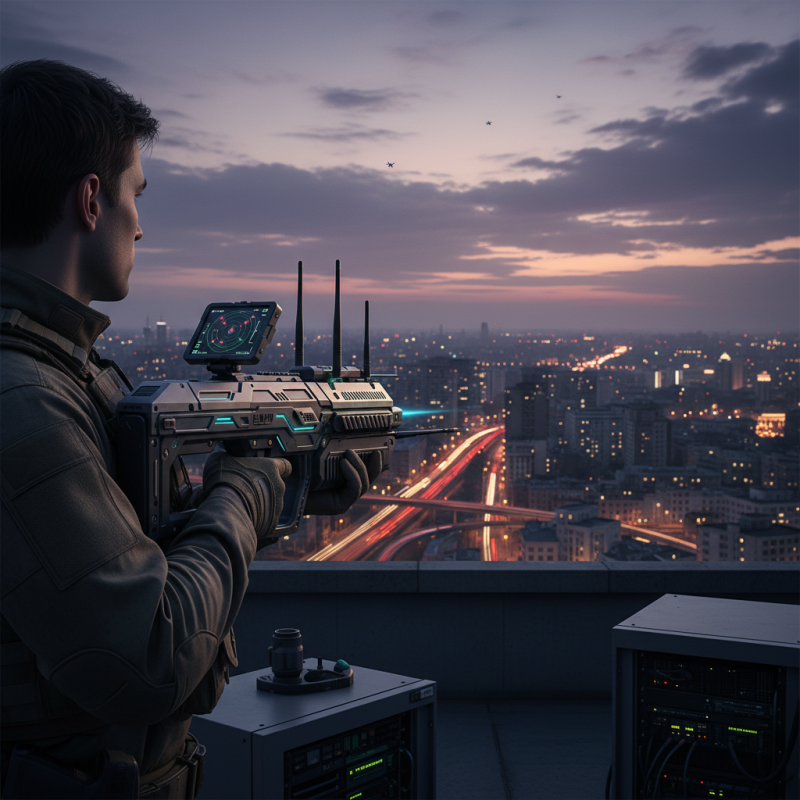
When selecting an anti-drone device, it’s essential to understand the types available. Many devices operate on different principles. Some use jamming technology. Others may rely on detection systems. Each type has unique benefits and limitations.
Consider your specific needs. If you're in a security-sensitive area, a detection system might be preferable. They alert you to incoming drones without interfering with other communications. On the other hand, jammers can help prevent drone operation. However, interference with legitimate signals could be a downside.
Tips: Always assess the area where the device will be used. Look for devices that match the drone types common in your vicinity. Research user experiences with each device. Practical reviews often reveal insights that specifications cannot show. Remember, balancing effectiveness and legality is crucial.
Evaluating Effectiveness: Range, Detection, and Neutralization Features
When selecting an anti-drone device, understanding the effectiveness of its range, detection, and neutralization features is crucial. The range determines how far the system can effectively monitor activity. A range that is too limited might miss incoming drones. Many systems claim extended ranges but often fall short in real-world applications. It’s essential to check user reviews and expert analyses to understand the true capabilities.
Detection features should be advanced yet reliable. Look for devices that utilize a combination of radar, RF scanners, and optical sensors. These integrations enhance threat identification but can be misleading in dense urban environments. Some devices struggle to distinguish between benign drones and potential threats. Testing these features in varied conditions will help evaluate their real effectiveness.
Neutralization capabilities also vary significantly. Some systems jam signals, while others employ physical deterrents. Each method has its pros and cons. Jamming can disrupt essential communications, while physical methods carry risks. Assessing how these devices perform under pressure is key. Real-life scenarios often reveal limitations that theoretical specifications do not. Making informed decisions requires detailed research and hands-on evaluations.
Assessing Compatibility with Your Environment and Use Cases
When selecting an anti-drone device, assessing compatibility with your environment is crucial. Not all devices are suitable for every setting. Consider your specific needs, be it urban areas, rural settings, or sensitive locations like airports. The effectiveness of a device can vary dramatically based on its surroundings. For example, dense urban landscapes may require more advanced technology that can manage signal interference.
Tips: Evaluate the size and layout of your area. A larger space may need a more powerful device. If your environment has many obstructions, choose a technology that adapts to these challenges.
Consider the practical applications of the device. Are you using it for security, wildlife protection, or event management? Each use case demands different features. Look for a device that aligns with its intended function. Some devices might appeal visually but fail in performance, which could lead to disappointing results.
Tips: Conduct a trial before committing to a purchase. Some companies offer demos, allowing you to see firsthand how a device operates. This hands-on experience can help clarify whether it meets your requirements. Remember, a mismatch can hinder your overall goals. Always weigh the pros and cons of your options.
Budget Considerations: Cost vs. Features in Anti-Drone Solutions
When selecting an anti-drone device, cost and features play a critical role. The market offers various options, each with different functionalities. A higher price often means advanced capabilities, such as better detection range and frequency jamming. However, it’s essential to assess how much you truly need these features. Some users might find basic detection sufficient for their purposes.
Comparing pricing models is crucial. Some devices are budget-friendly but lack essential attributes, while others boast extensive features that may never be utilized. Evaluate your specific requirements carefully. For example, if you only need to secure a small area, an expensive system might be overkill. This can lead to wasted resources and a lack of perceived value in your investment.
Reflect on your unique situation. Are you looking to protect a public event or monitor private property? Your needs will differ, and so should your budget. It's easy to be swayed by flashy technology, but the right choice should align with practicality. Balancing cost with necessary features can empower you to make informed decisions without breaking the bank.
How to Choose the Best Anti Drone Device for Your Needs? - Budget Considerations: Cost vs. Features in Anti-Drone Solutions
| Device Type | Price Range | Effective Range | Weight | Key Features |
| Handheld Jammer | $1,000 - $3,000 | 500 meters | 1.5 kg | Portable, Easy to Use |
| Fixed Site System | $10,000 - $30,000 | 2 km | 50 kg | Gimbal, Remote Control |
| Drone Defense System | $20,000 - $50,000 | Up to 5 km | 100 kg | Automated Tracking, Radars |
| Signal Interruption Device | $5,000 - $15,000 | 1.5 km | 15 kg | Multiple Frequencies, Compact |
Legal Regulations and Compliance in Anti-Drone Technology Usage
When considering anti-drone technology, understanding legal regulations is crucial. Different jurisdictions have varying laws governing drone use and countermeasures. Always verify local laws to ensure compliance. This should be a priority before making any decision about anti-drone devices.
Additionally, you must consider potential liabilities. Misuse of anti-drone devices could lead to legal consequences. For instance, interfering with legitimate drone operations can result in fines or litigation. Reflecting on these factors is essential. Collect detailed information on the legal landscape of your area. Consult with legal experts to fully understand your obligations.
Lastly, focus on ethical considerations. Developing a responsible approach to drone management is vital. Consider the implications of deploying these devices in public spaces. Striking a balance between safety and privacy can be challenging. Continuous education on legal updates will enhance your decision-making. This will help you better navigate the evolving anti-drone landscape.
Anti-Drone Device Type Effectiveness