Why Choose a Vehicle Hail Damage Scanning System for Your Business?
In today's competitive automotive industry, a Vehicle Hail Damage Scanning System is essential for businesses seeking to thrive. Hail damage can severely affect vehicle value. Accurate assessment and repair of this damage require advanced technology.
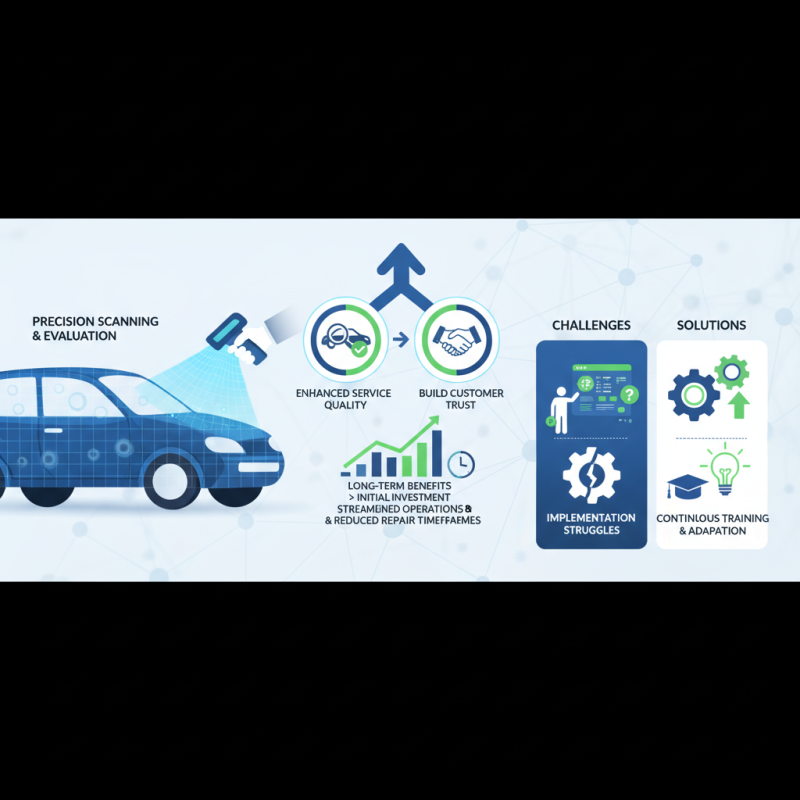
This system allows for precise scanning and evaluation of hail impacts. By detecting even the slightest dents, businesses can enhance their service quality. Investing in this technology not only improves repair accuracy but builds customer trust. Clients appreciate transparency in damage assessment.
While the initial investment may seem daunting, the long-term benefits outweigh the costs. Businesses can streamline their operations and reduce repair timeframes. However, some may struggle to fully implement this technology. Continuous training and adaptation are necessary for optimal results. Reflecting on these challenges can lead to better implementation strategies.
Benefits of Implementing a Vehicle Hail Damage Scanning System
Implementing a vehicle hail damage scanning system brings significant advantages for businesses in the automotive industry. According to recent data, around 10% of the vehicles experience hail damage each year. Accurate and efficient scanning can streamline the repair process, reducing turnaround times significantly. With the right system, businesses can identify damage swiftly, allowing for quicker estimates and repairs. This means happier customers and increased loyalty.
In addition, industry reports suggest that implementing such technology can reduce labor costs by up to 30%. With automated scanning, fewer staff hours are needed to assess vehicle conditions. This efficiency can lead to more vehicles being processed daily, translating to higher revenue potential. However, the initial investment may deter some companies. A thorough cost-benefit analysis is essential.
While benefits are clear, challenges exist. Not all scanning systems are equally reliable. Variability in technology and staff training can impact effectiveness. Some businesses may find their initial experiences with these systems frustrating. Investing in proper training can mitigate these issues. Ultimately, implementing a vehicle hail damage scanning system can elevate service standards if approached wisely.
How Vehicle Scanning Technology Enhances Damage Assessment Accuracy
Vehicle scanning technology plays a crucial role in enhancing damage assessment accuracy. With hail damage being a common issue for vehicles, the need for precise evaluation is paramount. Studies indicate that traditional inspection methods often overlook up to 30% of damage caused by hail. This can lead to inadequate repairs and financial losses. By employing advanced scanning systems, businesses can identify hidden damage swiftly and accurately.
The technology leverages high-resolution imaging and sensor data to create detailed assessments. Reports suggest that organizations using scanning technology report a 40% increase in damage detection rates compared to conventional methods. This leads to better customer satisfaction and trust. Additionally, accurate assessments reduce the risk of underestimating repair costs, which can have significant financial implications.
Despite these advantages, some challenges exist. Not all employees may be trained to use the technology effectively. Misinterpretation of scan data can also occur, depending on the user’s skill level. Regular training and updates are essential to address these issues. Embracing scanning technology requires a commitment to continuous learning and adaptation.
Vehicle Hail Damage Assessment Accuracy Improvement
This chart illustrates the significant improvement in damage assessment accuracy before and after implementing a vehicle hail damage scanning system. The accuracy increased from 70% to 95%, showcasing the effectiveness of advanced scanning technology in enhancing assessment precision.
Cost-Effectiveness of Scanning Systems for Hail Damage Repairs
Hail damage scanning systems offer an economical solution for businesses that frequently deal with vehicle repairs. These systems quickly assess the extent of damage, reducing labor hours. Speed is critical in a competitive market. By streamlining the inspection process, businesses can increase their profitability.
Cost-effectiveness isn't just about saving money upfront. It also involves minimizing potential losses. A thorough scan identifies all damage, preventing costly oversights. This can lead to more accurate repair estimates. Clients appreciate transparency in pricing. Scanning systems provide this clarity. In turn, customer trust grows, fostering loyalty.
However, investing in new technology isn’t without challenges. Initial costs can be high. Businesses must weigh these against potential long-term savings. Some may struggle to adapt to new systems. Employee training is necessary and can slow down operations initially. Regularly assessing usage and efficiency is vital. Continuous improvement ensures maximum benefit from the technology.
Why Choose a Vehicle Hail Damage Scanning System for Your Business? - Cost-Effectiveness of Scanning Systems for Hail Damage Repairs
| Feature | Benefit | Cost Implication |
| Precision Measurement | Ensures accurate damage assessment and reduces repair mistakes | Reduces costs associated with rework |
| Time Efficiency | Speeds up the damage evaluation process | Lower labor costs due to faster turnaround |
| Data Storage and Access | Maintains a comprehensive history of damage assessments | Cost-effective for long-term data management |
| User-Friendly Interface | Easy to train staff and integrate into existing systems | Minimized training costs |
| Insurance Reporting | Simplifies the claims process with detailed reports | Potentially lower insurance premiums due to accurate reporting |
Integration of Scanning Systems with Existing Business Operations
Integrating a vehicle hail damage scanning system into existing business operations can transform workflow efficiency. These systems provide accurate assessments, reducing the time between damage identification and repair. This swift processing can enhance customer satisfaction significantly.
Moreover, implementing such technology requires careful consideration. Staff training is vital to ensure everyone understands its use. Even with top-notch scanning technology, human error can occur during training stages, leading to misinterpretations of the data. It’s essential to establish clear protocols for integrating these systems smoothly.
Customers expect fast and reliable service, prompting businesses to adopt advanced technology. However, the initial setup may present challenges. Resistance to new systems can arise among employees. Addressing these concerns with ongoing support and resources is crucial. Solutions should be tailored to each business’s unique structure and needs. Embracing change is difficult, but it can lead to long-term benefits if executed thoughtfully.
Future Trends in Vehicle Hail Damage Detection Technology
The future of vehicle hail damage detection technology is evolving rapidly. Advanced scanning systems are becoming more accessible and effective. These innovations aim to make assessments quicker and more accurate. For instance, high-resolution imaging allows technicians to identify even minor dents. This precision reduces the risk of overlooking damage.
Furthermore, artificial intelligence plays a significant role. AI can analyze images and provide instant assessments. This feature streamlines the repair process and saves time for auto shops. However, reliance on technology raises questions about accuracy. There may be limitations in its understanding of complex damage patterns.
As these systems grow more sophisticated, user training becomes crucial. Technicians must adapt to new technologies to maintain quality service. Encouraging continuous education is essential for effective implementation. Future trends suggest a blend of human expertise and digital tools. This combination could redefine vehicle repair standards.