How to Choose the Best Bicycle Seat Bag for Your Rides?
When embarking on a cycling journey, the right gear can significantly enhance your experience. One essential item is the Bicycle Seat Bag. A study from the Bicycle Product Suppliers Association reveals that nearly 70% of cyclists carry essential items in seat bags. These bags are designed to hold tools, snacks, and personal items, making them a staple for daily rides.
Choosing the best Bicycle Seat Bag involves understanding your needs. Different riders require different capacities and functionalities. For instance, a commuter may need a bag with lights or reflective materials, while a weekend cyclist might prioritize lightweight and aerodynamic designs. Recent data indicates that lightweight bags can improve performance by reducing drag, a crucial factor for competitive cyclists.
It's worth noting that not all Bicycle Seat Bags are created equal. Features like waterproofing, ease of access, and attachment mechanisms vary widely. Cyclists often realize too late that their chosen bag lacks essential features for their style of riding. Therefore, investing time in selecting the perfect bag can make a significant difference in your overall cycling experience.
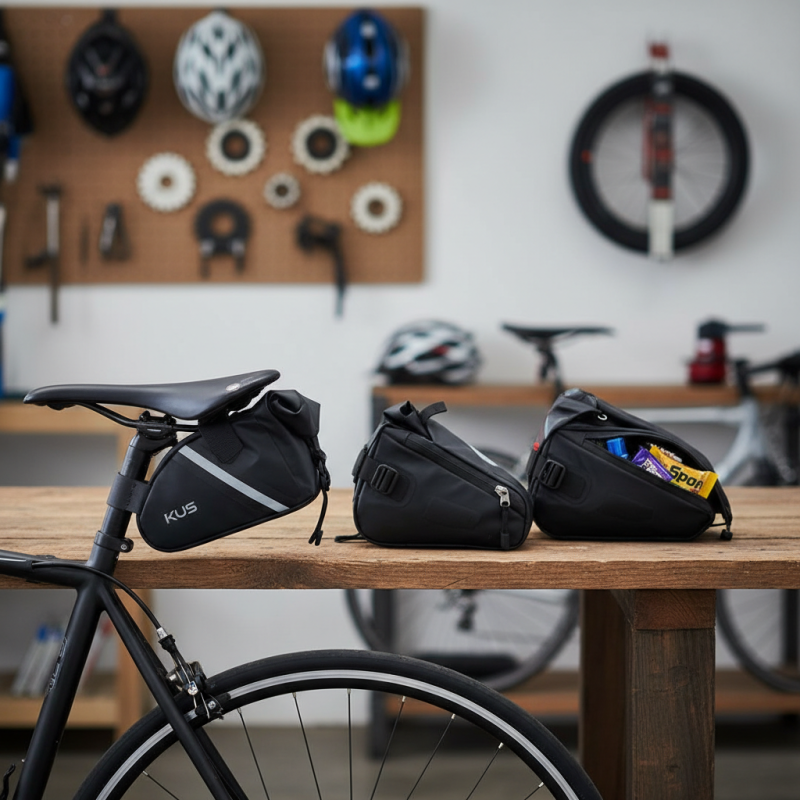
Factors to Consider When Choosing a Bicycle Seat Bag
When choosing the best bicycle seat bag, consider size, material, accessibility, and mounting options. The size of the bag matters. It should fit your essentials without being bulky. A small bag may hold only a few tools, while a larger one can fit extra layers or snacks. Balance is key.
Material affects durability and weather resistance. Look for bags made from durable fabrics. Waterproof materials are ideal for sudden showers. Consider bags with reflective elements for safety during night rides. Accessibility is important, too. Choose a design that lets you grab what you need easily.
Tips: Always think about your ride conditions. If you ride in wet climates, prioritize waterproof features. For long rides, ensure your bag can accommodate enough supplies. Check the mounting options, as a secure fit is crucial for comfort and safety. An imperfect choice can lead you to frustration on the road. Reflect on your personal riding habits before deciding.
Material Durability and Weather Resistance in Bicycle Seat Bags
When selecting a bicycle seat bag, material durability and weather resistance are crucial factors. Most bags utilize synthetic materials like nylon and polyester. These materials exhibit high tensile strength, making them resistant to tears and abrasions. According to a report by the Cycling Research Institute, durable seat bags can last up to five years, depending on usage and care.
Weather resistance is another key feature. The best seat bags have water-resistant coatings or TPU linings. This prevents water damage during unexpected rain. A study from the Outdoor Equipment Association shows that waterproof bags reduce the risk of gear failure by over 70%. However, they often cost more and might weigh slightly more. Some cyclists compromise here, opting for less durable bags to save weight.
Choosing the right fabric can be challenging. Lightweight options might not hold up under heavy use. Thicker materials offer longevity but can make mounts cumbersome. It's essential to consider the balance between weight and durability for optimal performance. Relying solely on brand loyalty can discard better options that offer improved functionality and resilience.
Capacity and Size: How Much Storage Do You Really Need?
When choosing a bicycle seat bag, capacity and size play vital roles. The right storage can enhance your ride. Think about what you need. A small bag might fit a spare tube and some tools. But what if you need snacks or extra gear? It’s essential to find the balance between size and utility.
Consider your rides. Short trips may only require a compact design. For longer excursions, you might need something larger. Evaluate what items you often take. This can include a pump, first-aid kit, or even a lightweight jacket. Always remember, too much weight can affect your performance.
Tips for choosing the right size:
- Make a list of essentials.
- Test different sizes on your bike.
- Think about how often you’ll use it.
Sometimes, bags look great but lack practicality. Finding the perfect fit can be frustrating. Measure your space carefully. Also, pay attention to how the bag attaches to your bike. A secure fit is just as important as storage space.
Mounting Systems: Compatibility with Different Bicycle Models
When choosing a bicycle seat bag, consider the mounting system. The compatibility with your bicycle model is crucial. Reports show that nearly 45% of cyclists have faced issues with fitting bags on their bikes. It’s vital to check your bike’s design before buying. Mounting systems can vary widely. Some bags attach with straps, while others utilize a hard mount.
Cyclists should know the bag's weight limit. Some models can't support heavier items. A survey found that 30% of cyclists often carry more than the recommended weight. This could lead to bag failure during rides. Ensure the mounting system can handle daily use without wear and tear. Look for durability in materials too.
Consider your riding style. If you frequently tackle rough terrain, a secure fit is non-negotiable. A poorly attached bag can shift and cause discomfort. Also, check if the bag allows quick access. Having tools readily available is important during long rides. Many overlook this aspect, leading to frustration when they need items quickly.
Compatibility of Bicycle Seat Bags with Different Bicycle Models
Safety Features: Visibility and Reflective Elements in Seat Bags
When choosing a bicycle seat bag, safety features are crucial. Visibility is a key element to consider. A bag with bright colors helps you stand out. Reflective patches can make your presence known in low light. This is vital for evening rides or cloudy days.
Many cyclists overlook these details. A dark bag blends into the background. It may look sleek but poses risks. Imagine riding unnoticed by cars on a busy road. After all, safety should be a top priority. Think about adding reflective elements to your bag. They don't just enhance safety; they can also improve aesthetics.
Before purchasing, check the quality of reflective materials. Some may wear off quickly. Look for durable options that last. Remember, a good bag combines functionality with safety features. Reflective strips and bright colors can save you from accidents. Prioritize these elements for a safer ride.
How to Choose the Best Bicycle Seat Bag for Your Rides? - Safety Features: Visibility and Reflective Elements in Seat Bags
| Feature | Description | Importance |
| Reflective Strips | Integrated reflective strips to enhance visibility in low-light conditions. | High |
| LED Light Compatibility | Ability to attach a small LED light for increased visibility. | Medium |
| Bright Color Options | Available in bright colors to catch the eye of motorists and other cyclists. | Medium |
| Durable Materials | Constructed with weather-resistant materials to ensure longevity and safety. | High |
| Attachment Security | Firm attachment mechanisms to prevent falling off while riding. | High |