How to Choose the Best Corrugated Iron Roofing Sheet Making Machine?
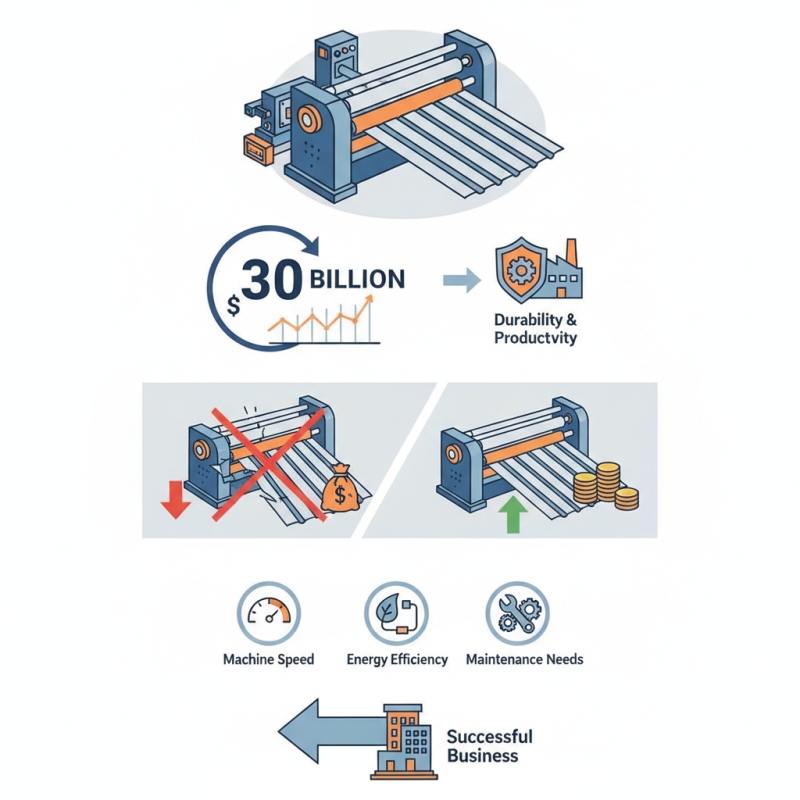
Choosing the right corrugated iron roofing sheet making machine is crucial for efficiency. The global metal roofing market is projected to reach $30 billion by 2025. This growth highlights the importance of quality machinery.
A reliable corrugated iron roofing sheet making machine ensures durability and productivity. Industry reports show that machine quality directly impacts product lifespan. Poorly constructed machines yield inconsistent results. This can lead to significant financial losses.
However, many manufacturers overlook essential features. They may prioritize cost over capability. Key aspects include machine speed, energy efficiency, and maintenance needs. Investing in a high-quality machine is vital for long-term success. Ultimately, making an informed decision about your corrugated iron roofing sheet making machine can shape your business outcomes.
Understanding the Basics of Corrugated Iron Roofing Sheets
Corrugated iron roofing sheets are popular in many construction projects. They offer durability and weather resistance. Understanding their basic features helps in making informed decisions. The sheets come in various thicknesses and colors. This variety meets different aesthetic and functional needs.
Tips: When selecting sheets, consider the environment. Some materials are better suited for specific weather conditions. For example, areas with heavy rainfall require sheets that resist rust and corrosion. A good gauge of steel is crucial for strength.
Another key aspect is the manufacturing process. It affects the final product's quality. Machines that create uniform sheets ensure minimal waste. However, some machines may have limitations. It's essential to research and compare options. Focus on features that matter most for your project.
Ultimately, investing time in understanding these basics pays off. It leads to better choices in materials and machines. This preparation can help avoid future issues that arise from poor decisions.
How to Choose the Best Corrugated Iron Roofing Sheet Making Machine?
| Feature | Importance | Specifications | Price Range (USD) |
| Production Capacity | High | 500 - 1000 sheets/hour | $10,000 - $30,000 |
| Machine Material | High | Steel, Heavy-duty components | $9,000 - $25,000 |
| Energy Consumption | Medium | 5-10 kW | $8,000 - $20,000 |
| Automation Level | High | Fully automated | $12,000 - $35,000 |
| Ease of Maintenance | Medium | User-friendly design | $7,000 - $18,000 |
| Warranty Period | High | 2-5 years | $6,000 - $15,000 |
| User Reviews | High | Positive feedback preferred | Varies significantly |
Key Features to Consider in Roofing Sheet Making Machines
When choosing a roofing sheet making machine, certain features are crucial. Pay attention to the machine's efficiency. A high production speed can save time and labor costs. However, speed should not come at the expense of quality. Look for machines equipped with advanced technology to ensure durability. This is essential for long-term investment.
Consider the versatility of the machine. Can it handle different materials? Some machines can work with zinc-coated sheets and aluminum. This flexibility could be beneficial for various projects. Be cautious, though. Sometimes, multi-functional machines may compromise performance. Ensure that the machine provides reliable results across all materials.
Another aspect to reflect on is maintenance. A machine that's hard to maintain will cause frustration. Regular upkeep is necessary for optimal performance. Some models may require specialized knowledge for repairs. This could lead to increased downtime. Therefore, choose a machine that is user-friendly and easy to maintain.
Evaluating Machine Durability and Material Quality
When selecting a corrugated iron roofing sheet making machine, evaluating machine durability and material quality is crucial. A sturdy machine will withstand the rigors of production. Look for machines made from high-quality materials. Steel components often indicate durability. Inspect welds and joints; they should be clean and robust. Inferior materials can lead to frequent breakdowns, causing delays.
Consider the maintenance requirements as well. Regular upkeep of the machine extends its lifespan. Poor quality machines might require constant repairs. Think about the costs involved. Sometimes, cheaper options lead to more spending in the long run. It’s worth investing in a durable machine to avoid these pitfalls.
Additionally, evaluate customer reviews and case studies. Learn from others’ experiences. Real-life feedback often reveals hidden flaws. Pay attention to any recurring issues in a model. Such insights can guide your decision-making process. Remember, it’s not just about the initial purchase cost. Long-term reliability and efficiency are paramount.
Assessing Production Capacity and Speed Requirements
When selecting a corrugated iron roofing sheet making machine, assessing production capacity is crucial. The machine should match your business needs.
Consider the volume of sheets required daily. If your output demand is high, a machine with a larger capacity is essential. It’s important to remember that higher capacity machines often come with higher costs. Can your budget accommodate this?
Speed is another vital factor. A faster machine can reduce production time. However, speed should not compromise the quality of the sheets. Fast production is great, but it leads to issues if the finished products are flawed. Evaluate your current workflow. Are your delivery times affected by production speed?
You might also reflect on energy consumption. Machines that produce quickly may use more energy. This can increase ongoing costs. Balance efficiency with your operational requirements. Sometimes, slower machines can offer consistent quality. Think about your long-term goals. It's not always about immediate gains but sustainable practices.
Budgeting and Cost Analysis for Roofing Sheet Machinery
When it comes to choosing a corrugated iron roofing sheet making machine, budgeting is key. Understanding the initial and ongoing costs is crucial for setting realistic expectations. The machine's price can vary significantly based on capabilities and technology. You might find options ranging from basic models to advanced ones. Sometimes, a cheaper machine may have hidden costs, such as higher maintenance fees.
Consider energy consumption and operational expenses. A high-efficiency machine may have a higher upfront cost but can lead to savings in the long run. Take time to research and compare different models. Don't rush into a purchase without fully analyzing your requirements and potential expenses. Unexpected costs can derail your budget.
Additionally, think about the additional tools and materials you might need. These can add up quickly. Often, manufacturers will provide estimates, but they may not cover everything. Always allow a buffer in your budget for unforeseen expenses or upgrades. Reflecting on your choices can help prevent costly mistakes. Make sure the decision-making process is thorough and well-documented.