How to Choose the Best Duct Air Quality Monitor for Your Needs?
When it comes to indoor air quality, a Duct Air Quality Monitor plays a vital role in maintaining a healthy environment. These devices measure pollutants, particulate matter, and humidity levels. Understanding your specific needs is crucial in selecting the right monitor. You want a tool that offers accurate and real-time data for your application. Considerations include the types of pollutants you need to track and the size of the area being monitored.
Many people overlook the importance of calibrating their monitors. Calibration ensures the device provides reliable readings. Poor calibration can lead to misinformation about the air quality in your home or office. Reliability should be a top priority when choosing a Duct Air Quality Monitor, as inaccurate readings can affect health decisions.
Not all monitors are built the same. Some may lack user-friendly interfaces, making data interpretation challenging. A good monitor should offer clear insights into air quality. Thus, investing time in research is necessary. Explore reviews and expert opinions on various models. This will guide you in making an informed decision that aligns with your needs.
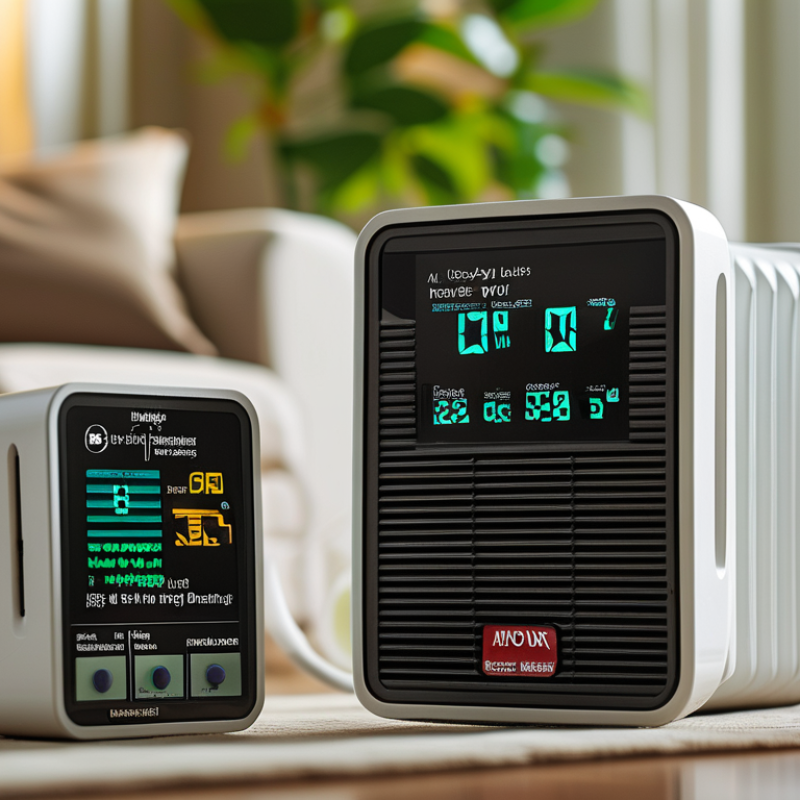
The Importance of Indoor Air Quality Monitoring for Health and Comfort
Indoor air quality plays a crucial role in our overall health and comfort. Pollution sources such as dust, mold, and volatile organic compounds can significantly impact the air we breathe. According to studies, poor air quality may lead to respiratory issues and other health problems. Regularly monitoring indoor air helps in identifying harmful pollutants. This awareness fosters a safer living environment.
Investing in a reliable air quality monitor is essential for any household. These devices can detect changes in particulate matter and humidity levels. They offer peace of mind, knowing the air you breathe is continuously checked. However, not all monitors are created equal. Some may provide inaccurate readings or lack essential features. It’s important to understand your specific needs.
Reflecting on personal experiences can guide your choice. Maybe you noticed increased allergens during certain seasons. This suggests a need for consistent monitoring. While it may seem daunting to choose the right device, having a clear understanding of your environment can simplify the process. You owe it to yourself and your loved ones to ensure healthy air.
How to Choose the Best Duct Air Quality Monitor for Your Needs?
| Feature | Importance | Recommended Level |
| PM2.5 Measurement | Identifies fine particulate matter that can affect respiratory health. | Below 35 µg/m³ |
| TVOC Levels | Monitors total volatile organic compounds; high levels can cause headaches and nausea. | Below 300 ppb |
| Humidity Sensor | Maintains comfort and prevents mold growth; humidity affects air quality. | 30% - 50% |
| Temperature Monitoring | Supports comfort and helps in managing HVAC systems effectively. | 68°F - 72°F (20°C - 22°C) |
| Real-time Notifications | Alerts you to changes in air quality immediately for proactive measures. | Immediate alerts for any level above recommended limits. |
| User-friendly App | Allows for easy monitoring and tracking of air quality data over time. | Highly rated by users for ease of use. |
Key Features to Look for in Duct Air Quality Monitors
When selecting a duct air quality monitor, consider essential features that enhance reliability. Focus on sensors that detect various pollutants, like VOCs and particulate matter. The accuracy of these sensors impacts your air quality assessment heavily. A good monitor should also measure humidity and temperature. These metrics play a crucial role in overall air quality.
Display and reporting features matter, too. Look for monitors with clear, easy-to-read displays. Real-time data allows you to make immediate adjustments in your environment. Additionally, some models offer mobile app integrations. This feature can send alerts directly to your smartphone.
Tips: Opt for devices that provide historical data tracking. This helps identify patterns over time. Consider the power source as well. Some monitors might be battery-operated while others need wiring. Evaluate your setup's compatibility before choosing.
Air Quality Monitor Performance Indicators
Understanding Common Air Pollutants Measured by Quality Monitors
When selecting a duct air quality monitor, understanding the pollutants it measures is crucial. Common air pollutants include particulate matter (PM), volatile organic compounds (VOCs), and carbon dioxide (CO2). Particulate matter can originate from dust, smoke, and combustion processes. Exposure to high levels of PM can lead to respiratory issues, so monitoring is essential for maintaining indoor air quality.
VOCs are chemicals that can off-gas from various materials, including paints and cleaning products. Some VOCs can have serious health effects with long-term exposure. A reliable monitor can detect these compounds, helping you create a healthier environment. Meanwhile, monitoring CO2 levels is also important. Elevated CO2 can lead to fatigue and decreased concentration.
Choosing the right monitor may feel overwhelming. Many devices offer different features and capabilities. Balancing accuracy, cost, and usability can be challenging. It's important to read reviews and consult experts. Testimonies from users can provide insights into the effectiveness of these monitors. Remember, not all monitors are created equal. Trust your instincts, and choose one that fits your specific needs.
Comparison of Popular Duct Air Quality Monitor Brands and Their Accuracy
When selecting a duct air quality monitor, exploring various brands is essential. Each brand brings unique features and accuracy levels. Some may excel in detecting particulate matter, while others focus on volatile organic compounds. Understanding these differences can help you align a product with your specific air quality needs.
Many users report discrepancies among monitors. Some devices may provide inconsistent readings in varying environments. It's crucial to weigh user reviews when assessing reliability. Also, consider calibration frequency. Some monitors require regular calibration to maintain accuracy. Others offer mechanisms to ensure they function optimally over time.
Testing accuracy in real-world conditions can be enlightening. A monitor may perform well in a controlled setting but falter in actual use. Investigating these aspects often leads to better choices. Engaging with communities that share experiences can offer practical insights, helping you make a more informed decision.
Budgeting for Air Quality Monitors: Cost vs. Performance Analysis
When selecting an air quality monitor, budgeting is crucial. Many people overlook the balance between cost and performance. A 2022 industry report indicates that effective monitors range from $100 to over $500, depending on features. Lower-end devices often miss key metrics like particulate matter (PM2.5) and volatile organic compounds (VOCs). High-end models may provide comprehensive data but can strain a budget.
Consider your specific needs and environment. For instance, if you live in a city with high pollution, investing in a robust monitor is wise. Studies show that air quality significantly affects health, particularly for those with respiratory issues. Remember, a cheap device may be tempting, but it could provide misleading results. This could lead to false security.
Investing wisely can yield long-term benefits. The right monitor may help prevent health complications. A well-reviewed study highlighted that proper air quality monitoring can reduce respiratory problems by up to 30%. Reflect on your options before making a decision. Choosing a monitor isn’t just about price; it’s about value and reliability.