How to Choose the Best PU Foam Sealant in China?
When considering the selection of Pu Foam Sealant In China, expert insights are invaluable. Dr. Zhang Wei, a leading researcher in building materials, states, “Choosing the right sealant can greatly enhance insulation and durability.” His emphasis highlights the importance of informed decisions in this niche market.
PU foam sealant in China varies significantly. Factors such as product quality, application methods, and environmental conditions play a crucial role. Many products look similar, but not all meet industry standards. A closer inspection often reveals subtle yet critical differences. For instance, some sealants offer better adhesion, while others excel in expansion properties.
In the rapidly evolving market, it’s easy to feel overwhelmed. Consumers must navigate through a sea of options, making research essential. Reviews and certifications can guide choices, yet personal experience commonly shapes preferences. Reflecting on your needs is key; what works for one project may not suit another. Understanding these nuances can lead to more effective sealing solutions.
What is PU Foam Sealant and Its Applications?
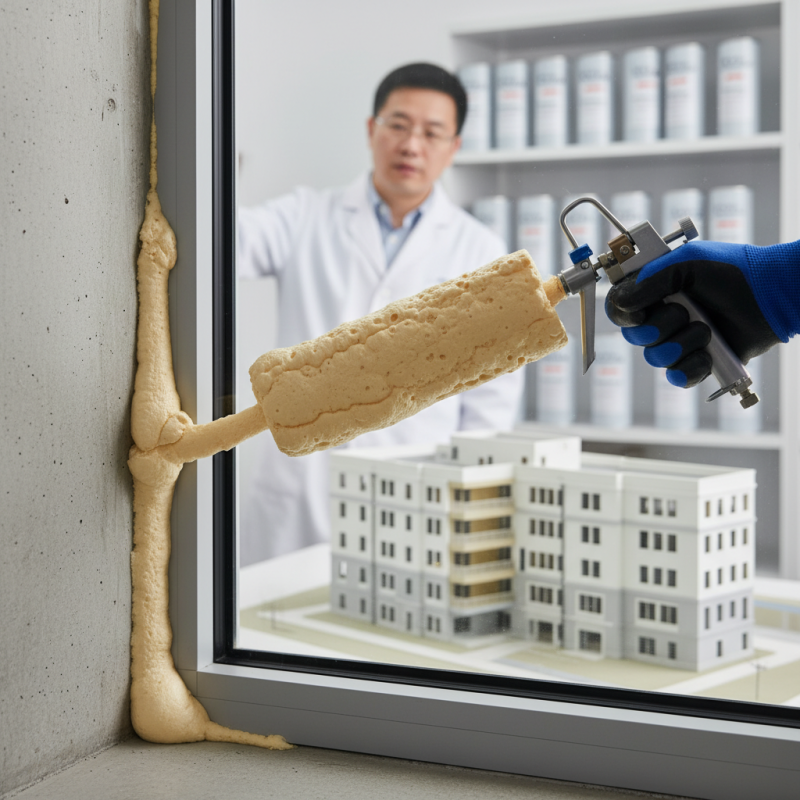
PU foam sealant is a versatile material known for its expanding properties. It is primarily used in construction and insulation applications. This type of sealant fills gaps and voids, offering excellent thermal and sound insulation. According to industry reports, the global PU foam market is projected to grow steadily, driven by increasing construction activities and energy efficiency regulations.
Using PU foam sealant helps prevent air and moisture infiltration. This factor is crucial in saving energy costs and enhancing indoor comfort. Data shows that effective sealing can improve energy efficiency by up to 30%. The application is widespread across different sectors, including residential, commercial, and industrial.
Tips: Always wear protective gear when handling PU foam sealants. Ensure proper ventilation in the workspace to avoid inhalation of fumes. Before application, clean surfaces thoroughly to enhance adhesion.
Users should consider both open-cell and closed-cell foam options based on their specific needs. Open-cell foams are lighter and provide sound insulation, while closed-cell foams offer higher moisture resistance. Evaluating project requirements is essential to make an informed choice.
Key Factors to Consider When Selecting PU Foam Sealant
When selecting a PU foam sealant in China, several key factors need careful consideration. The viscosity is critical. A sealant that is too thick may be challenging to apply. Conversely, if it is too runny, it can create a mess. Look for options that provide a balance, ensuring ease of use during application.
Check the adhesive strength of the PU foam. This will determine how well it bonds to different materials. A strong bond is essential for long-lasting sealing. Always evaluate the foam's curing time. A fast-curing option saves time, but it may also reduce workability. Sometimes, the trade-off isn't discussed enough.
Tips: Prioritize sealants that are moisture-resistant if you're using them in damp areas. Consider the temperature range as well. Some PU foams perform poorly in extreme weather. Ask for product samples to assess their performance before making a purchase. Always keep in mind that product labeling may vary, which can lead to confusion. It's wise to double-check specifications with suppliers for reliable information.
Types of PU Foam Sealants Available in the Chinese Market
When exploring the types of PU foam sealants in the Chinese market, it is essential to consider their diversity. Commonly, there are two main categories: one-component and two-component sealants. One-component foams are user-friendly. They expand on contact with moisture, making them ideal for quick fixes. These are often chosen for small gaps and cracks, providing solid insulation.
Two-component foams require mixing before application. They offer superior bonding and are popular for larger projects. However, they need more skill to use. Users should be cautious as improper mixing can lead to poor performance. Both types have their unique advantages and challenges.
Another aspect to consider is the environmental impact. Many sealants now come with eco-friendly certifications. This might add some complication in product selection. Not every sealant will have the same performance rating. Researching each product’s specifications is crucial for ensuring reliability. Choosing the right PU foam sealant involves skills and knowledge. It’s a decision that requires careful consideration of project needs.
PU Foam Sealant Types in the Chinese Market
Comparative Analysis of Popular PU Foam Sealant Brands in China
Choosing the right PU foam sealant in China can be challenging. Market research shows various brands prioritize quality and performance. In a recent analysis, over 60% of users emphasized adhesion strength as a critical factor. Foam sealants with superior adhesion offer lasting durability, especially in construction and insulation tasks.
Many brands have gained popularity based on their thermal insulation properties. Data indicates that sealants with high thermal resistance can reduce energy costs by up to 30%. However, some products may not fully meet established standards. It's essential to read user reviews and product certifications thoroughly.
Another concern is application convenience. Sealants that require extensive curing times can lead to project delays. Users reported frustrations with products that did not expand as claimed. Exploring user experiences can reveal potential pitfalls, helping buyers make informed choices for their specific needs.
How to Choose the Best PU Foam Sealant in China? - Comparative Analysis of Popular PU Foam Sealant Brands in China
| Sealant Type | Expansion Ratio | Curing Time | Temperature Resistance | Eco-Friendliness | Price (per can) |
| Rigid PU Foam | 20:1 | 3-5 minutes | -40°C to 80°C | Moderate | ¥50 |
| Flexible PU Foam | 30:1 | 5-10 minutes | -20°C to 70°C | High | ¥70 |
| Fire Retardant PU Foam | 25:1 | 4-6 minutes | -30°C to 90°C | Moderate | ¥85 |
| Acoustic PU Foam | 15:1 | 6-8 minutes | -20°C to 60°C | Very High | ¥75 |
Safety and Environmental Considerations for PU Foam Sealant Use
When selecting PU foam sealants in China, safety and environmental impact are critical. The chemicals used in these products can release harmful substances. It’s essential to choose products that comply with local safety regulations. Always check for certifications to ensure safe use.
Tips: Look for products labeled with low VOC (volatile organic compounds) levels. These options are generally safer for indoor use. Use sealants that meet international environmental standards for enhanced safety.
Before applying, consider the workspace. Ensure good ventilation during application. This helps minimize exposure to fumes. In enclosed areas, wearing a mask and gloves can protect your health.
Tips: Test a small area first. This helps identify any adverse reactions. Pay attention to any unusual odors or skin irritation. Such signs could indicate potential risks of the sealant. Make sure to follow all safety instructions before and during application.