
How to Choose Custom Aluminum Tri-Fold Blind Rivets?
Custom Aluminum Tri-Fold Blind Rivets are designed for joints that need a wide bearing area on the blind side. During setting, the rivet legs fold outward, helping distribute load across thin, soft, or brittle sheet materials. That broader footprint can reduce pull-through risk, but it does not make every joint safe by default.
Material choice matters. The International Aluminium Institute’s 2023 primary aluminium production statistics report global output of about 70.6 million tonnes, illustrating aluminum’s extensive industrial use. The World Bank’s Commodity Markets Outlook also tracks aluminum as a major industrial commodity, reminding buyers that material costs can shift. Neither report selects a rivet for a particular joint. Fit matters.
A sound choice begins with the actual grip range: measure the total thickness of the parts being joined, then compare it with the manufacturer’s specified range. Check the required hole diameter, rivet-body alloy, head style, and compatible setting tool. Confirm published shear and tensile values against the joint’s expected loads, and consider moisture or dissimilar-metal contact where corrosion may matter. The name “aluminum” alone is not enough; rivet-body and mandrel materials can differ between products. That detail is easy to miss.
This guide explains how to compare specifications and spot practical trade-offs when choosing Custom Aluminum Tri-Fold Blind Rivets. Manufacturer data should guide final selection, since dimensions and performance vary. A careful trial on representative materials is also worthwhile. It may feel slow, but a poorly sized rivet is slower.
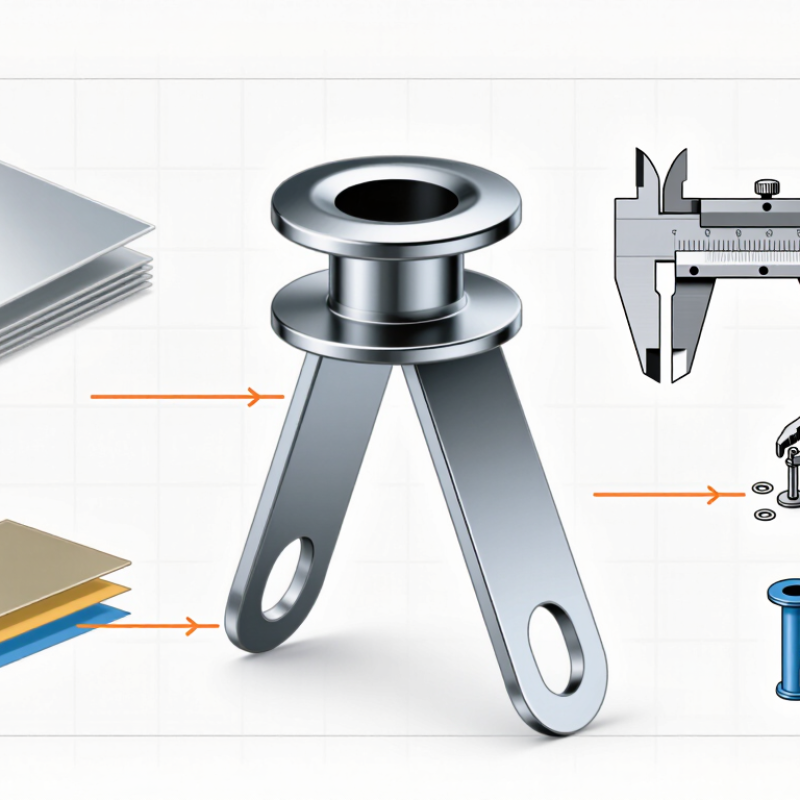
Identify Substrates, Joint Loads, and Service Conditions
Choosing custom aluminum tri-fold blind rivets starts with the materials being joined. A tri-fold rivet opens into three legs, spreading pressure across the back of the joint. This can help when fastening thin sheet, plastic panels, or other materials that may crush under a concentrated load. Check the panel thickness and the rivet’s grip range together. A mismatch can leave the joint loose or prevent the legs from forming properly. Measure the hole, too; an oversized hole can allow movement.
Estimate the loads the joint will actually carry. Vibration, repeated pulling, and unevenly supported panels can challenge a rivet differently from a steady, light load. Review the rivet’s rated shear and tensile capacities, then allow for the assembly’s geometry and safety margin. Numbers alone are not enough. A flexible plastic panel may deform even when the rivet remains intact. Test a representative sample if the joint is critical; small changes in hole size can matter.
Service conditions affect material choice. Moisture, salt, cleaning agents, and temperature changes may influence corrosion or loosen the surrounding material. Aluminum is often a practical match for aluminum panels, but mixed metals need careful assessment, especially in damp settings. Consider coatings and isolation where appropriate. Think about access for inspection. That part gets missed. I would also question whether a blind rivet is suitable if the joint must be removed often or carries impact loads; a trial assembly can reveal weaknesses before production.
Match Grip Range to the Stack Thickness and ISO 15977 Requirements
Choosing an aluminum tri-fold blind rivet starts with the actual grip range, not the nominal panel thickness. Add every layer the rivet must clamp, including coatings, washers, and compressible gaskets. Measure the assembled stack at several points; uneven sheets can change the local thickness. Measure twice.
The chosen grip range must include that measured thickness. A rivet that is too short may not form its intended blind-side legs. One that is too long may set poorly or leave an unreliable clamp. Check the supplier’s grip chart for the rivet diameter and confirm the range covers the thinnest and thickest parts of the assembly. A small margin helps, but more range is not automatically better.
Then verify the rivet’s dimensions and material details against the applicable ISO 15977 requirements and the current product documentation. ISO conformity does not replace checking fit: confirm head style, body diameter, hole size, and mandrel specifications. Test a sample in the real materials, using the intended setting tool. Inspect both sides for full seating, consistent leg formation, and movement under a light hand check. I have seen drawings look right while a soft gasket changed the final stack. That detail is easy to miss.
Choose a Common 3.2, 4.0, or 4.8 mm Rivet Diameter
When choosing a custom aluminum tri-fold blind rivet, begin with the material thickness and the rivet’s grip range. The rivet must accommodate the full stack, including coatings or soft layers. A 3.2 mm diameter can suit lighter assemblies and smaller access holes. A 4.0 mm option offers a useful middle ground for many general fastening tasks. Choose 4.8 mm when the application needs a larger fastener, but do not assume diameter alone determines strength.
Tri-fold legs spread behind the panel, helping distribute pressure across softer or thin materials. Still, a larger rivet may crush a delicate surface or require a hole that weakens the panel. Match the hole size to the rivet supplier’s specifications, and check the grip range carefully. If the joint carries vibration or repeated loads, test samples in the actual materials. Small differences matter. I’d also check for a flush, secure set rather than relying only on a catalog size; installation results can vary.
Tips: Measure the clamped thickness with a caliper. Confirm the required hole diameter and grip range. Test one rivet first, then inspect the formed legs and panel surface. If the panel dimples, reconsider the size or installation pressure.
How to Choose Custom Aluminum Tri-Fold Blind Rivets? - Choose a Common 3.2, 4.0, or 4.8 mm Rivet Diameter
| Nominal Rivet Diameter | Typical Drill Size | General Selection Guidance | Check Before Ordering |
|---|---|---|---|
| 3.2 mm (1/8 in) | About 3.3 mm (letter-size drill No. 30) | A smaller option for light-duty assemblies and applications where a compact hole is preferred. | Confirm the rivet’s specified hole diameter and ensure the combined material thickness is within its grip range. |
| 4.0 mm (approximately 5/32 in) | About 4.1 mm (No. 20 drill is a common approximate match) | A mid-size choice when a 3.2 mm rivet may be too small and a larger fastener is not needed. | Check the manufacturer’s hole-size recommendation; drill sizes are approximate and should not replace the product specification. |
| 4.8 mm (3/16 in) | About 4.9 mm (letter-size drill No. 9) | A larger common option for assemblies requiring a larger rivet body; verify that the panel and edge distances can accommodate it. | Confirm grip range, head style, setting-tool compatibility, and the strength requirements of the complete joint. |
Selection note: Tri-fold rivets spread their legs on the blind side, making them useful for some soft, thin, or brittle materials. Rivet diameter alone does not determine joint strength. Check the specific rivet’s technical data, grip range, hole tolerance, parent materials, and application requirements before installation.
Check Aluminum Alloy, Mandrel, Hole Fit, and Corrosion Compatibility
Choosing a custom aluminum tri-fold blind rivet starts with the joint, not the catalog description. Match the rivet-body alloy to the materials being joined and the required strength. Ask for the alloy and temper; “aluminum” alone is not a useful specification. A more formable body may set smoothly, while a less ductile one may resist folding or crack under poor setup. Small detail, big consequence.
Check the mandrel material, diameter, and break point. These affect setting force and how the legs open. The rivet should form three broad legs behind the panel, spreading load over a larger area. Confirm that the mandrel breaks only after full expansion. Use the specified grip range, and measure the combined panel thickness with calipers. Fit matters. An oversized hole can let the rivet tilt; an undersized one may scrape a coating or prevent insertion. I would recheck hole size even on repeat jobs. Assumptions can linger.
Finally, compare the rivet body, mandrel, and joined metals with the service environment. Dissimilar metals exposed to trapped moisture or salt may corrode faster. A compatible finish or insulating washer can help, but check that it will not interfere with forming or grip. Test a representative assembly under realistic conditions, especially where water collects around the joint. A small sample may reveal uneven leg formation before production begins.
Validate Tensile and Shear Performance Using ISO 14589 Tests
When choosing custom aluminum tri-fold blind rivets, ask for tensile and shear results measured using the relevant ISO 14589 procedures. Tensile testing loads the installed rivet along its axis; shear testing loads it across the joint. These tests reveal different weaknesses, so one high result cannot stand in for the other.
Small details matter. Match the test pieces to your intended sheet materials, thicknesses, hole diameter, grip range, and installation method. A tri-fold rivet’s legs must form correctly behind the workpiece, not merely look neat on the visible side.
Review the full test report, not only its headline load. Check the specimen count, test setup, peak loads, and recorded failure modes. A pull-through, rivet fracture, or sheet tear can point to different design limits.
Compare results across production lots when consistency matters, and confirm that samples were installed with controlled tooling. Real joints are messier. Vibration, uneven clamping, or a hole drilled slightly off-size may change performance.
It is easy to over-trust one number; ISO testing gives a controlled comparison, not a guarantee for every assembly. Use the results to screen rivet options, then verify the chosen configuration in representative joint trials.