How to Choose the Best Brick Compressor for Your Needs?
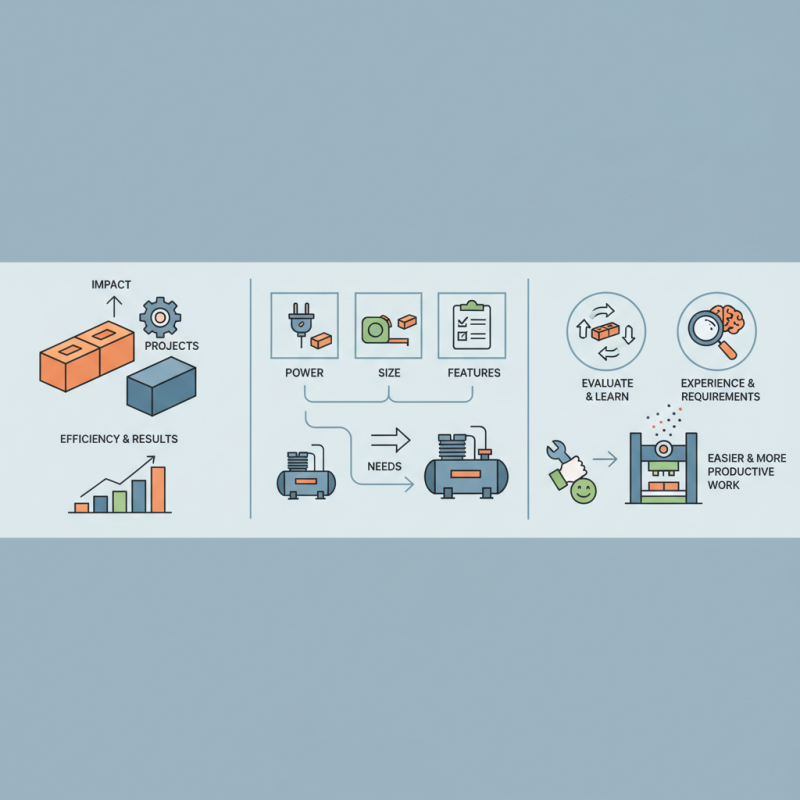
Choosing the right Brick Compressor can significantly impact your projects. A good compressor improves efficiency and results. However, not all compressors are created equal. It is essential to consider your specific needs before making a choice.
When evaluating Brick Compressors, think about their power, size, and features. Each project might require something different. Some compressors may provide high pressure but are bulky and hard to transport. Others might be lightweight but lack the power for heavy tasks. Understanding your requirements helps you select the best fit.
Many factors come into play. Reading reviews can provide insights, but remember they are not always reliable. Your experience may differ from others. Test the equipment if possible. Recognizing what you need and learning from your past experiences is crucial. The right Brick Compressor can make your work easier and more productive.
Understanding the Basics of Brick Compressors and Their Functionality
When exploring the world of brick compressors, it's essential to grasp their basic functions. These machines are primarily designed to compact and mold bricks, ensuring consistency and durability. Brick compressors work by applying immense pressure on a mixture of raw materials, shaping them into bricks. Understanding this functionality can help in making informed choices.
Tips for choosing the right brick compressor involve considering the machine's capacity and pressure settings. Evaluate your production requirements and select a compressor that matches your output needs. Sometimes, a machine may offer features that sound appealing but might not suit your specific project scale. This mismatch can lead to wasted resources.
Another crucial aspect is maintenance. Regular upkeep ensures the longevity of your brick compressor. However, many users overlook this. Neglecting maintenance can lead to frequent breakdowns or uneven brick quality. Always keep an eye on the operational efficiency to prevent unexpected challenges. Analyze your production flow, and reflect on how the compressor fits into your overall process.
Identifying Your Specific Needs for a Brick Compressor Usage
When selecting a brick compressor, understanding your specific needs is crucial. Start by identifying the materials you'll be using. Different projects require different compressing capabilities. A report from the International Journal of Construction Engineering highlights that using a compressor with inadequate power may lead to subpar results, wasting both time and resources.
Consider the size of your projects. If you frequently work on large-scale constructions, opt for a compressor with higher capacity. Small projects may only need a lighter model, but larger ones demand robust machinery. The same journal indicates that a compressor's capacity can significantly influence overall productivity—underscoring the need for careful selection.
Tips: Evaluate the noise level of the compressor. Some models can be very loud, affecting workplace safety and comfort. Additionally, check energy efficiency. An inefficient compressor can increase operating costs, leading to budget overruns. Make note of available maintenance services in your area. Regular maintenance can extend the life of your compressor while ensuring optimal performance. Reflecting on these facets will guide you to make an informed decision based on your unique requirements.
Key Features to Consider When Selecting a Brick Compressor
When selecting a brick compressor, key features make all the difference. First, consider the compressor type. Electric models are quieter and require less maintenance. However, gas-powered compressors offer greater mobility and power. Assess your working environment to choose the right option.
Another essential aspect is the compressor's tank size. A larger tank allows for extended operation without frequent refills. This can enhance productivity on job sites. Don't overlook the pressure rating too. Ensure it meets the specifications required for your brickwork applications. Look for a model that has adjustable pressure settings for versatility.
Noise levels are also important, particularly in residential areas. Opt for compressors designed for quieter performance. Portability is often overlooked but can be vital. Weigh the compressor and check for easy transport options. It's common to underestimate how weight affects mobility. Consider these elements carefully to find a brick compressor that fits your unique needs.
Comparing Different Brands and Models of Brick Compressors
Choosing the right brick compressor can significantly impact your construction projects. Different brands offer various models, which cater to diverse needs. The efficiency, durability, and performance vary across the spectrum. Recent industry reports indicate that up to 70% of operators prefer compressors with a high power-to-weight ratio, which enhances portability without sacrificing power.
When comparing models, pay attention to the specifications. Some compressors boast lower noise levels for jobs in residential areas. Noise levels above 85 decibels may require hearing protection and can affect worker comfort. Most compressors weigh between 50 to 100 pounds, impacting transportation ease. Additionally, consider the tank size. Smaller tanks are suitable for lighter tasks, while larger ones are necessary for intensive work.
It's essential to consult resources like industry manuals or expert reviews to make an informed choice. Some users report frequent maintenance issues with certain brands. These reflections highlight the importance of detailed product research. Ensure you read user experiences to understand long-term reliability. This practice could prevent unforeseen breakdowns, allowing for smoother operations. It's a reminder that the best choice requires careful consideration, not just initial cost.
How to Choose the Best Brick Compressor for Your Needs?
| Model | Power (HP) | Max Pressure (PSI) | Tank Size (Gal) | Weight (lbs) | Price (USD) |
| Model A | 5 | 150 | 30 | 150 | 1200 |
| Model B | 6 | 175 | 40 | 160 | 1400 |
| Model C | 7.5 | 200 | 50 | 180 | 1800 |
| Model D | 4 | 120 | 25 | 130 | 1000 |
Maintenance Tips for Longevity and Optimal Performance of Compressors
Maintaining your brick compressor is crucial for its longevity and efficiency. Regularly inspect the oil levels, as low levels can lead to overheating. Ensure that filters are cleaned or replaced as needed. This simple step can dramatically improve performance. Neglecting such basics often leads to costly repairs.
Check for leaks in hoses and connections. Small leaks can waste energy and reduce effectiveness. Listening for any unusual noises during operation is also important. These sounds might indicate underlying issues. Address them early to avoid bigger problems down the line.
Routine maintenance should also include checking the pressure settings. Incorrect pressure can decrease the lifespan of the compressor. Keep a log of maintenance activities. This creates a reliable history and helps identify patterns. Learning from past maintenance can prevent future errors and ensure optimal operation.
Compressor Performance Comparison