
How to Choose the Best DTH Boring Machine in 2026?
Choosing the right Dth Boring Machine in 2026 requires more than comparing engine power or purchase prices. Ground conditions, hole diameter, drilling depth, mobility, air consumption, and service support directly affect productivity. A machine that performs well in dry granite may struggle in fractured rock or water-bearing formations.
Industry data shows why this decision matters. The U.S. Geological Survey reported that U.S. nonfuel mineral production was worth approximately $106 billion in 2024. The International Energy Agency also noted continued growth in demand for minerals used in energy and infrastructure systems. These trends increase pressure on contractors, quarry operators, and drilling companies to improve accuracy and operating efficiency. The right Dth Boring Machine can reduce idle time, stabilize penetration rates, and limit excessive bit wear.
Start with the rock profile.
Experienced drillers usually review compressive strength, abrasiveness, fracture density, and groundwater conditions before selecting equipment. A crawler-mounted model may suit remote construction sites, while a compact rig can work better in narrow quarry benches. Air capacity matters too. An undersized compressor can turn a powerful hammer into an expensive bottleneck. That detail is easy to miss.
Reliable selection also requires evidence. Compare manufacturer test data, field references, maintenance records, and parts availability. ISO-based quality systems can support consistency, but certification alone cannot guarantee suitable performance. This is where buyers should remain cautious. Market forecasts describe broad demand, not the exact conditions at your site. A practical 2026 decision should combine published industry reports with a documented site survey, operator experience, and realistic lifecycle-cost calculations.
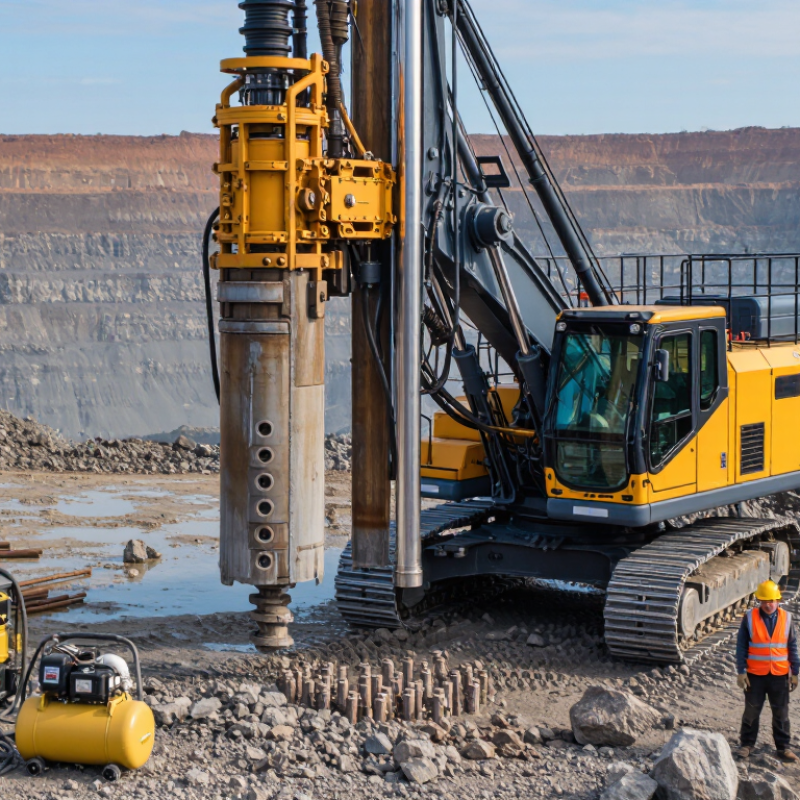
DTH Drilling Basics: Match Hole Diameters from 90–305 mm to Project Needs
How to Choose the Best DTH Boring Machine in 2026?
DTH drilling places the hammer near the hole bottom, where compressed air drives the bit through hard ground. The correct machine depends on more than the target diameter. Rock strength, fracture zones, groundwater, casing needs, and required depth all affect selection. A 90–140 mm hole may suit anchors, small water wells, or ground investigation. It usually needs lighter rods and less compressor capacity. This can improve transport and fuel control on restricted sites.
Medium holes, around 165–220 mm, often support foundation work, geothermal loops, and production wells. They require stronger rotation, greater pullback, and stable air delivery. For 250–305 mm holes, the machine must handle heavier tooling and higher air demand. Productivity can fall sharply if the compressor cannot maintain pressure at depth. Check the complete drilling system, not only the rig’s advertised maximum diameter.
Field conditions can change the decision. Loose overburden may require casing advancement, while fractured rock can consume drilling fluid or reduce hole cleaning. A sensible evaluation compares torque, feed force, mast reach, compressor output, rod size, and access width. Request test data from similar formations, then compare it with your site investigation. I would avoid choosing the largest machine by default. Bigger equipment may look safer, but it can raise transport costs and complicate setup. The imperfect part is prediction: geology rarely follows the desktop report exactly. Keep room for adjustment.
How to Choose the Best DTH Boring Machine in 2026? – DTH Drilling Basics: Match Hole Diameters from 90–305 mm to Project Needs
| Target Hole Diameter | Typical Project Needs | Suitable Ground and Drilling Conditions | Indicative Compressor Air Flow* | Recommended Machine Characteristics | Key Selection Checks |
|---|---|---|---|---|---|
| 90–115 mm | Small blast holes, water wells, geothermal test holes, anchoring, and light construction drilling. | Best for compact or fractured rock where access, transport, and lower operating cost are important. | Approximately 18–25 m³/min at about 17–24 bar, depending on hammer design and depth. | Compact crawler or truck-mounted rig, short-to-medium mast, low working footprint, and accurate feed control. | Check access width, rod diameter, compressor portability, dust collection, and required hole depth. |
| 116–140 mm | Quarry production holes, small-to-medium bench blasting, foundation drilling, and water-well construction. | Suitable for medium-hard to hard rock and projects requiring a balance between drilling speed and hole volume. | Approximately 22–30 m³/min at about 17–25 bar. | Medium crawler rig with stable feed beam, sufficient breakout torque, and an integrated or towable high-pressure compressor. | Match hammer shank, rod thread, maximum feed force, and compressor free-air delivery at site altitude. |
| 141–165 mm | General quarrying, mining development, road-cut blasting, pile pre-drilling, and deeper water wells. | A versatile range for competent rock, variable formations, and jobs requiring dependable cuttings removal. | Approximately 25–35 m³/min at about 18–25 bar. | Heavy-duty crawler or truck-mounted rig with long feed stroke, higher pullback capacity, and robust dust-control equipment. | Allow for compressor pressure loss, hose diameter, elevation correction, and increased rod weight at depth. |
| 166–203 mm | Large quarry blast holes, open-pit mining, major foundation work, and high-capacity water-well drilling. | Effective in hard, abrasive rock when larger explosives columns or higher water yield are required. | Approximately 30–42 m³/min at about 20–28 bar. | High-torque rig with rigid mast, strong rotary head, high pullback, and compressor capacity designed for continuous drilling. | Verify transport weight, working envelope, water injection requirements, bit availability, and ground-support limits. |
| 204–254 mm | Large-diameter production blasting, major water wells, dewatering, and selected geotechnical or casing applications. | Used where large cuttings volume, casing clearance, or high explosive capacity justifies a larger hole. | Approximately 38–52 m³/min at about 20–30 bar. | Large crawler or rotary-based platform with reinforced feed system, high-capacity compressor, and reliable cuttings evacuation. | Confirm compressor reserve, dust suppression, mast stability, lifting capacity, and the cost of larger bits and rods. |
| 255–305 mm | Very large blast holes, high-yield water wells, dewatering wells, and specialized large-bore drilling. | Requires a stable platform and careful control in hard or broken formations because cuttings volume and torque are substantial. | Approximately 45–65 m³/min at about 22–32 bar. | Heavy production rig with high pullback and rotary torque, long rigid mast, large compressor package, and advanced dust management. | Evaluate logistics, ground stability, borehole deviation, compressor redundancy, casing method, and total operating cost. |
Compare 15–35 bar Air Pressure and 10–30 m³/min Compressor Capacity
How to Choose the Best DTH Boring Machine in 2026?
Air pressure and compressor capacity often decide whether a DTH machine performs well or merely looks powerful on paper. For medium-strength rock, 15–20 bar may provide stable penetration. Hard, abrasive, or fractured formations can require 25–35 bar. However, pressure at the compressor is not pressure at the hammer. Long hoses, bends, filters, altitude, and heat can create serious losses. The U.S. Mine Safety and Health Administration highlights compressed-air hazards and equipment controls, while ISO 1217 requires compressor performance testing under defined conditions. These standards remind buyers to verify delivered air, not brochure figures.
Flow matters just as much. A 10–15 m³/min compressor may suit smaller holes and moderate depths. Larger diameters, deeper holes, or heavy dust flushing may demand 20–30 m³/min. USGS Mineral Commodity Summaries 2025 reports roughly 1.5 billion metric tons of U.S. crushed-stone production in 2024, showing how demanding modern aggregate drilling remains. In field checks, a 10–15% airflow reserve is sensible, although it is not a universal rule. Pressure can look correct while flushing remains weak. That mistake is easy to make. Compare free-air delivery at the working pressure, measure pressure beside the rig, and inspect the hole cuttings. A compact compressor may reduce fuel use, yet it can struggle badly in deep, wet ground.
How to Choose the Best DTH Boring Machine in 2026?
Reference comparison of commonly used DTH air-pressure settings and compressor capacities from 15–35 bar and 10–30 m³/min.
Higher air pressure generally supports deeper drilling and improved flushing in hard rock, while greater compressor capacity helps maintain airflow through larger holes, longer drill strings, and restrictive ground conditions. Final selection should also consider hole diameter, drilling depth, altitude, bit design, and the manufacturer’s recommended operating range.
Select Drilling Depth, Rod Size, and Penetration Rates up to 40 m/h
How to Choose the Best DTH Boring Machine in 2026?
Choosing a DTH boring machine starts with drilling depth, not engine power. A 2024 technical review in the International Journal of Mining Science and Technology found that rock hardness, joint spacing, and flushing quality strongly affect drilling efficiency. For shallow holes below 20 meters, a compact rig with moderate air volume may be enough. Projects reaching 30–50 meters need stronger compressors, stable mast alignment, and rods that resist bending. Depth claims can look impressive on paper. Ground conditions usually disagree.
Rod size also controls performance. Larger rods improve stiffness and hole stability, but they increase weight and compressor demand. Field tests reported in the Journal of Rock Mechanics and Geotechnical Engineering show that penetration can fall sharply when airflow cannot remove cuttings efficiently. A machine rated up to 40 m/h may reach that figure in competent, fractured rock with clean flushing. It may deliver far less in wet clay or abrasive formations. I would compare the advertised rate with site trials, not brochure figures.
Check rod diameter, connection strength, compressor pressure, and fuel use together. The 2023 Global Mining Guidelines Group guidance emphasizes matching equipment to geology and operating conditions. Record actual meters per hour during the first shift. That record may expose an uncomfortable mistake: a smaller rig can sometimes outperform a larger one when access, setup time, and maintenance are considered.
Evaluate Rig Power, Pullback Force, Mobility, and 360° Working Access
How to Choose the Best DTH Boring Machine in 2026?
Choosing a DTH boring machine requires more than comparing engine horsepower. Start with rig power, then match it to rock hardness, hole diameter, and drilling depth. A powerful engine improves drilling speed, but it can increase fuel use and maintenance demands. Pullback force also deserves careful attention. It controls how confidently the rig handles rods, casing, and tooling. Too little force creates delays. Excessive force may stress the frame and hydraulic system. Review torque, hydraulic pressure, and rated pullback force together, not separately.
Mobility affects daily productivity. Check crawler stability, ground clearance, transport width, and turning radius before purchase. On a narrow site, a compact rig may save hours. Yet compact machines can sacrifice service space or working comfort. Working access should cover the full 360° area around the bore path. Inspect control visibility, hose routing, mast movement, and emergency access. These details seem minor. They often decide whether setup feels safe and efficient. I would not rely only on catalogue figures; site measurements can expose uncomfortable assumptions.
Tips: Request verified performance data under realistic rock conditions. Test pullback during a supervised demonstration, if possible. Measure your tightest access route first. Leave room for rod handling and maintenance. Check service points while the machine is parked. A rig that drills well but is difficult to maintain may become an expensive compromise. Reconsider the choice after comparing two or three actual work scenarios.
Calculate Total Cost Using Fuel Use, Bit Life, Maintenance, and Uptime Data
How to Choose the Best DTH Boring Machine in 2026?
Calculate the total cost per productive metre, not the purchase price alone. Record fuel use in litres per hour, drilling hours, bit life, maintenance invoices, and actual uptime. The formula is simple: fuel cost plus bit cost, maintenance cost, and downtime cost. The U.S. Energy Information Administration’s 2024 energy outlook highlights continuing fuel-price uncertainty. Use local diesel prices, not optimistic quotations.
For example, at 22 litres per hour and $1.20 per litre, 1,200 operating hours cost $31,680 in fuel.
A $1,800 bit lasting 180 metres costs $10 per metre. In fractured ground, that figure may double. Rock changes everything.
Tips: Build three scenarios. Use normal, poor, and excellent bit life. Include compressor servicing, rod replacement, operator time, and transport. Deloitte’s 2024 Tracking the Trends report identifies productivity and energy control as important mining cost levers.
Measure uptime from shift records, not sales claims.
uptime machine delivers 1,020 productive hours during 1,200 scheduled hours.
it delivers only 900.
That gap can exceed a small purchase-price difference.
Ask for field logs from similar rock conditions. Compare metres per productive hour. Check whether maintenance intervals match your dust, altitude, and water conditions.
ISO 14224 reliability principles support consistent failure and downtime recording, although they were not designed only for DTH rigs.
The calculation will be imperfect. Still, imperfect measured data beats confident guessing. Keep the spreadsheet alive after purchase. Real costs usually surprise operators.