How to Choose the Best Flatbed UV Led Printer for Your Needs?
Choosing the right Flatbed UV Led Printer can significantly impact your printing projects. With various models on the market, it's essential to identify what suits your specific needs best. A Flatbed UV Led Printer offers versatility, printing on various surfaces like wood, glass, and metal. Consider the types of materials you will print on.
Think about the printer's size and the volume of work you expect. A larger printer could allow for bigger prints, but it may not be necessary for smaller tasks. Pay attention to print quality and speed. Sometimes, cheaper options might compromise on quality. It’s crucial to weigh the pros and cons of each option.
Reflecting on your requirements ensures you make an informed choice. Will the printer meet your future needs as your business grows? Look for features that may enhance flexibility. Ultimately, finding the perfect Flatbed UV Led Printer involves careful research and consideration. Your choice can make a difference in your creative projects.
Understanding Flatbed UV LED Printers: Key Features and Benefits
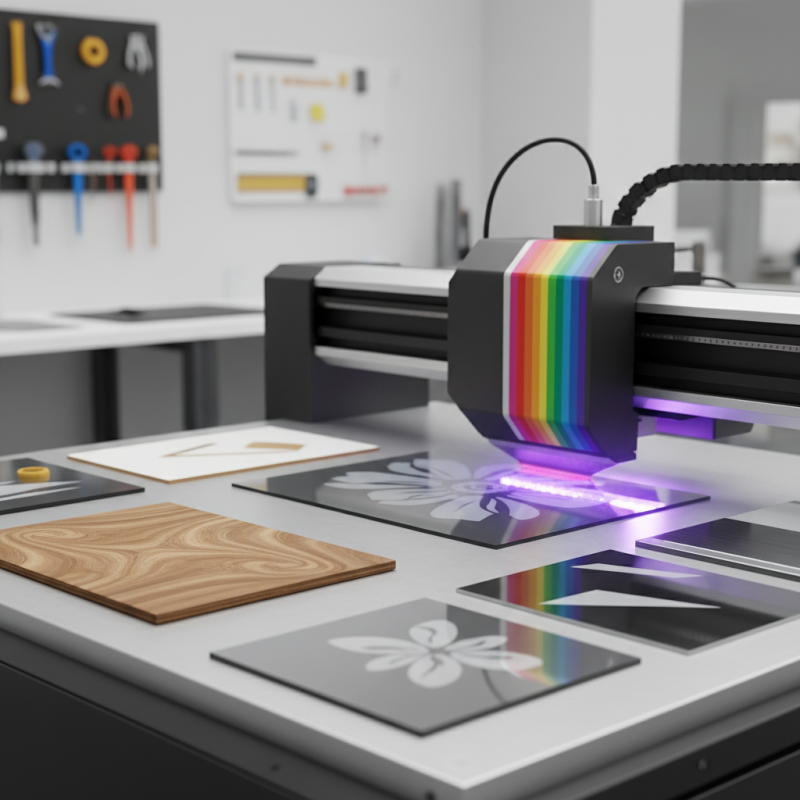
Flatbed UV LED printers are revolutionizing the printing industry. These devices offer vibrant colors and sharp details, making them suitable for various applications. They print on different materials, such as wood, glass, and metal. This versatility opens up many creative opportunities. UV technology provides quick curing, allowing prints to dry instantly. However, finding the right printer can be challenging.
When considering a flatbed UV LED printer, look for key features. One important aspect is the print resolution. A higher resolution ensures detailed prints, crucial for intricate designs. The size of the printing bed also matters. You need enough space for your projects. Additionally, check the software compatibility. Some printers offer intuitive interfaces, while others may require technical knowledge. Reflect on your needs before making a decision.
Benefits of these printers include reduced waste and energy efficiency. Many models use less ink than traditional printers, saving costs over time. However, maintenance can be an issue. Routine cleaning is essential to avoid clogs. You might face some hurdles in setup and operation. It's vital to read manuals thoroughly and seek help if needed. Embrace the learning curve, and you will reap the rewards.
Assessing Your Printing Needs: Volume, Material, and Application
When choosing a flatbed UV LED printer, analyzing your printing needs is crucial. Consider the volume of prints you require. A high-output printer may be necessary for large-scale projects. However, if your needs are minimal, a more compact model could suffice. Think about how many prints you expect to produce each day or week. This will help narrow down your options significantly.
Next, evaluate the materials you plan to work with. Different printers handle diverse substrates, including wood, metal, and acrylic. Knowing your preferred materials will guide your choice. If you often switch materials, flexibility might be essential. This situation can be tricky. Not all printers perform equally across various substrates, and some experimentation may be needed.
Lastly, think about the application of your prints. Are they for decorative purposes, signage, or functional items? The intended use can affect the required print quality and durability. For high-quality outputs, consider printers that offer better resolution and color accuracy. Be aware that achieving perfection may require adjustments and fine-tuning. What works for one project might not fit another. Each application poses its own challenges, making reflection on your needs vital.
Evaluating Print Quality: Resolution, Color Accuracy, and Speed
When choosing a flatbed UV LED printer, print quality is crucial. The resolution, color accuracy, and speed can define your printing experience. A printer with high resolution provides sharper images. Look for printers that offer at least 1200 x 1200 dpi. This level of detail allows for intricate designs and fine text to stand out.
Color accuracy is another vital aspect. Printers with a wide color gamut can reproduce hues more faithfully. It's essential to check how well a printer matches colors from digital files. You might discover that some machines struggle with specific shades. Don’t overlook speed, either. A fast printer saves time, especially for large batches. However, some high-speed printers may compromise on quality, leading to less-than-ideal results.
Evaluate how these factors align with your needs. Sometimes, a balance must be struck. For instance, additional features could push the price higher. It’s wise to weigh your options carefully. Test prints can reveal a lot. They sometimes expose issues that specifications don’t cover. Take your time to ensure that your choice meets your expectations in all aspects.
How to Choose the Best Flatbed UV Led Printer for Your Needs? - Evaluating Print Quality: Resolution, Color Accuracy, and Speed
| Dimension | Value |
| Max Resolution | 1200 x 1200 dpi |
| Color Accuracy | ∆E < 2 |
| Print Speed | 20 sq.m/h |
| Supported Media Thickness | Up to 100 mm |
| Ink Types | UV Curable Inks |
| Warranty Period | 2 Years |
Budget Considerations: Cost vs. Features in UV LED Printers
When selecting a flatbed UV LED printer, budget plays a crucial role. It's tempting to prioritize features like speed and print quality. However, cost-effectiveness is key. A high-priced printer may offer advanced features that you don’t need. It is important to balance your budget with the features you actually require.
Consider running costs as well. Some printers have lower upfront costs but higher maintenance expenses. Factor in ink prices and potential repairs. A printer that seems cheap today might become more expensive over time. Don't forget about the materials you plan to print on. Certain printers excel on specific substrates, affecting overall costs.
Evaluate your workspace as well. The printer's size can impact your budget. A larger printer may require additional space and ventilation. Ask yourself: will this investment truly meet my needs? This reflection can help prevent future regret and ensure your purchase aligns with practical necessities rather than just attractive features.
Comparative Analysis: Top Brands and Models in the Flatbed Market
When selecting the best flatbed UV LED printer, several brands and models come to mind. The latest industry analysis indicates that digital printing continues to grow at a compound annual growth rate (CAGR) of 6.7%, with flatbed printers leading the charge. Key features to consider include print speed, maximum resolution, and materials compatibility.
A recent market study highlighted that printers with higher DPI (dots per inch) deliver better quality prints. For instance, models with 1200 dpi tend to attract customers seeking precision. However, they can be costly and may require additional maintenance. Additionally, brands that offer versatile ink types tend to capture a significant market share, catering to diverse applications.
Despite these advancements, there are challenges. User reviews often point out inconsistencies in print quality over time. Some users report software issues that hinder smooth operation. Choosing a printer can resemble navigating a complex web of features. Each model presents unique advantages, yet many fall short in specific areas. Make sure to weigh these details carefully before making a decision.