2026 How to Choose the Best Investment Casting Mold for You?
Investment casting is a crucial process in manufacturing complex metal parts. Choosing the right Investment Casting Mold can significantly impact the final product's quality and cost-effectiveness. According to a recent industry report by Grand View Research, the global market for investment casting is expected to reach $27.8 billion by 2028, highlighting its growing importance in various sectors.
John Smith, a noted expert in the investment casting industry, emphasizes, “The right mold selection directly influences both precision and production efficiency.” This statement underlines the necessity of understanding the various factors involved in mold selection, such as material compatibility and intended use.
Moreover, the process is not without its challenges. Many companies face difficulties in balancing mold durability with production demands. Some molds may wear out faster than expected, requiring unforeseen investments. Businesses should learn from past decisions, ensuring that each choice aligns with future objectives while being mindful of cost implications.
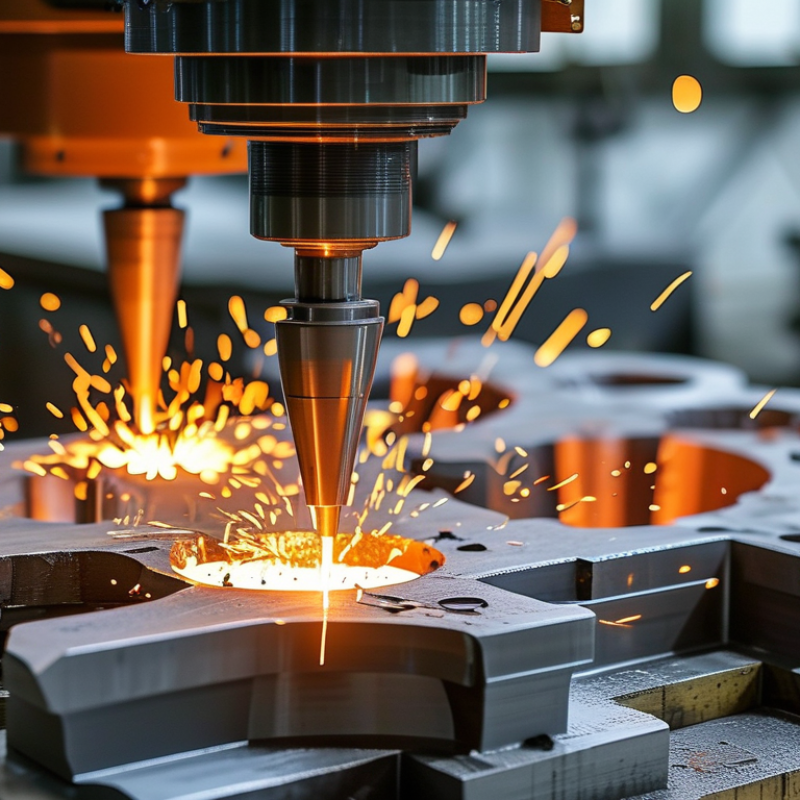
Importance of Material Selection in Investment Casting Molds
When it comes to investment casting, selecting the right mold material is crucial. The material directly influences the final product's quality. Different materials respond uniquely to heat and pressure, affecting the intricacies of the cast. For instance, ceramics offer excellent precision, while metals provide durability. Understanding these properties is essential for achieving desired results.
Material selection also impacts the casting process itself. Using the wrong material can lead to defects. These defects may be costly to rectify and cause delays. An experienced practitioner knows that trial and error often play a role in finding the best fit. Testing various materials may reveal surprising advantages or unexpected challenges.
In many cases, the budget determines material choice. However, prioritizing quality over cost can enhance performance and lifespan. Balancing these factors requires expertise. It’s important not to underestimate the impact of the chosen material. Reflecting on past projects can guide future decisions. The right mold can make a significant difference in investment casting outcomes.
Factors Affecting the Cost of Investment Casting Molds
When selecting an investment casting mold, understanding the factors that affect its cost is essential. The complexity of the part needed directly influences the mold's pricing. More intricate designs require elaborate molds, which can increase the cost significantly. The material used for the mold is also crucial. Higher quality materials may lead to better mold longevity but can escalate initial costs.
Another aspect to consider is the production volume. If you require a high number of parts, investing in a durable mold makes sense. It can spread out the cost over many units. Conversely, lower volume requirements might not justify a hefty investment. The time frame for production should not be overlooked either. Rush orders often come with premium prices, reflecting the urgency and resources needed for fast completion.
Additionally, experienced professionals can help you navigate these choices. Their insights can clarify misconceptions about mold costs. However, not all experts provide the same level of support. It’s important to verify their credentials before relying on their advice. Failing to do so can lead to poor choices and wasted resources. Finding a balance between cost, quality, and expert guidance is crucial for a successful investment casting project.
2026 How to Choose the Best Investment Casting Mold for You? - Factors Affecting the Cost of Investment Casting Molds
| Factor | Description | Impact on Cost |
| Material Type | The type of material used for the mold, such as metal or ceramic. | High-quality materials increase costs. |
| Complexity of Design | The intricacy of the mold's design and geometries. | Complex designs raise production costs. |
| Size of Mold | Overall dimensions of the mold used for casting. | Larger molds typically cost more to produce. |
| Production Volume | The quantity of parts to be cast using the mold. | Higher volumes can reduce cost per piece. |
| Lead Time | Time required to create the mold before production. | Shorter lead times may incur rush charges. |
| Post-Processing Needs | Additional steps required to finish the casted parts. | Enhancements may significantly raise costs. |
Evaluating Design Complexity and Its Impact on Mold Choice
When selecting an investment casting mold, design complexity plays a crucial role. Complex designs often require advanced materials and techniques. They may demand intricate details, which can increase production time and costs. Evaluating these factors upfront is essential to avoid unexpected delays.
Mold choice is heavily influenced by the geometry of the part. Sloped surfaces and tight tolerances require careful consideration. Special features like undercuts or thin walls can complicate the mold design. If not addressed, these elements can lead to defects during casting. Reflecting on design specifications can help identify potential challenges early.
Balancing creativity with practicality is important in mold selection. While innovative designs can enhance product appeal, they may also present obstacles. It’s crucial to determine whether the design can be realized without compromising quality or functionality. Proper evaluation of these aspects enhances the likelihood of successful production.
Evaluation of Design Complexity and Mold Choice in Investment Casting
Understanding the Role of Mold Durability in Production Efficiency
When selecting an investment casting mold, durability plays a crucial role in production efficiency. A durable mold withstands the thermal and mechanical stresses during production. Molds subject to wear and tear can lead to inconsistencies in product quality. This creates rework and waste, ultimately increasing costs.
Understanding the material composition of molds is essential. Some materials perform better under high temperatures but may not withstand chemical exposure. It is a delicate balance. Each application demands different considerations for mold durability. Regular maintenance and inspections can enhance mold life. However, issues may arise if not carefully managed.
An optimal mold extends production cycles and reduces downtime. Attention to mold design also impacts efficiency. Complex geometries may shorten mold life, leading to reduced profitability. Each choice made in mold selection impacts the bottom line. Investing time in understanding these factors ensures greater operational success.
Comparative Analysis of Different Mold Manufacturing Techniques
When choosing the best investment casting mold, understanding manufacturing techniques is crucial. A comparative analysis reveals that traditional sand molds, ceramic molds, and metal molds each have unique advantages and applications. Research shows that metal molds yield 25-30% higher dimensional accuracy compared to sand molds, making them preferable for intricate designs. However, ceramic molds are often favored for their excellent surface finish, although they can be 15-20% more costly.
Quality control is essential in mold manufacturing. Studies indicate that defects can increase operational costs by up to 40%. Regular mold inspections lead to reduced failure rates and ultimately lower costs. Using technologies like 3D printing for mold prototypes has gained traction. This method allows for rapid design iterations, reducing lead times significantly. Yet, it's not without flaws—3D-printed molds may not withstand the same thermal stresses as traditional molds.
Ultimately, selecting the right mold involves balancing cost, quality, and intended application. Each technique has its trade-offs, and manufacturers must reflect on their specific needs. Be mindful that relying solely on one technique may limit innovation and improvement. Regularly reviewing mold performance data is essential for informed decision-making in this ever-evolving industry.