How to Choose the Best Melting Furnace for Your Needs?
Choosing the right Melting Furnace is crucial for effective metal processing. According to the Global Melting Furnace Market Report 2022, the industry is projected to grow by 6% annually. This growth signifies a rising demand for efficient and reliable melting solutions. Experts emphasize the importance of selecting a furnace that suits specific operational needs.
Dr. James T. Reynolds, a leading expert in furnace technology, states, “Understanding your material and process is key to selecting the right melting furnace.” Different applications require distinct thermal capacities and configurations. For instance, using the wrong furnace can lead to energy waste and production inefficiencies.
The right choice can impact productivity, energy consumption, and product quality. Consider factors like the types of materials to be melted and the desired output. Reflect on your operational needs and those aspects that might be overlooked in your current setup. An informed decision can prevent irreversible mistakes and enhance overall performance.
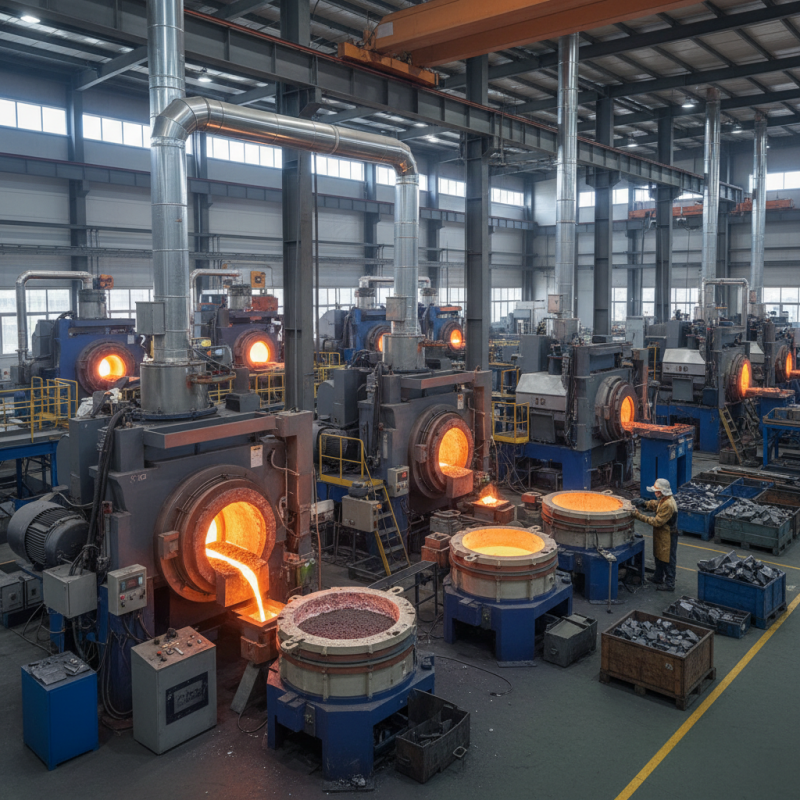
Factors to Consider When Choosing a Melting Furnace
When choosing a melting furnace, several key factors deserve careful consideration. The furnace capacity is pivotal. Smaller units may serve hobbyists well, yet commercial applications often require larger models. According to a 2022 industry report, medium to large capacities are preferred in manufacturing sectors, handling 200 kg to over 5 tons. This data highlights the significance of assessing your operational needs before making a choice.
Energy efficiency is another critical aspect. A furnace that consumes less electricity can significantly reduce operational costs. The Department of Energy reports that energy-efficient units can save up to 30% on energy bills annually. Many users overlook this detail, focusing primarily on initial costs rather than long-term savings. Furthermore, ensure the furnace materials align with the type of metal you'll work with. Not all furnaces handle the same temperatures, leading to inefficiencies or even damage in some cases.
Safety features play an equally important role. If a furnace lacks proper safety measures, it can pose serious risks. Safety standards in melting operations should adhere to guidelines from industry organizations, which often recommend regular maintenance checks. Yet, these procedures are frequently neglected, putting both equipment and personnel at risk. Balancing these factors ensures a well-informed decision tailored to your specific requirements.
How to Choose the Best Melting Furnace for Your Needs?
| Factor | Considerations |
| Capacity | Choose based on the volume of material you plan to melt. |
| Material Type | Ensure the furnace can handle the specific metal or alloy. |
| Power Source | Select between electric or gas based on availability and costs. |
| Temperature Range | Check the maximum temperature the furnace can reach for your material. |
| Efficiency | Look for insulation and design that improve energy efficiency. |
| Safety Features | Ensure the furnace has safety mechanisms to protect the user. |
| Budget | Determine your budget for initial purchase and maintenance costs. |
| Portability | Consider if you need a stationary or portable furnace based on your setup. |
Types of Melting Furnaces and Their Applications
When choosing a melting furnace, it's crucial to understand the different types available and their specific applications. Induction furnaces are well-suited for melting metals like aluminum and copper. They use electromagnetic energy to heat materials efficiently. This type ensures minimal oxidation during the process, which is vital for preserving metal quality.
Resistance furnaces, on the other hand, work differently. They apply electrical resistance to generate heat. This option is ideal for smaller operations or when lower temperatures are needed. They can be less energy-efficient but are often more affordable to run.
Reverberatory furnaces are another choice, especially for large-scale operations. Their design allows for continuous melting, making them suitable for heavy materials. However, they may require more maintenance and can consume more energy. Understanding these differences can significantly affect productivity and operational costs. So, reflecting on production goals is essential before deciding on a furnace type.
Size and Capacity Requirements for Your Melting Furnace
Choosing the right melting furnace involves understanding size and capacity. Different processes require varying amounts of material. Your needs will dictate whether a small tabletop furnace or a larger industrial unit is suitable.
If you're melting metals for small projects, a compact furnace might suffice. However, if you plan large-scale production, consider a furnace with a greater capacity. Always think about how much material you will regularly work with. This helps avoid underutilization or running out of space.
Tip: Assess your primary materials. Knowing their melting points and volumes can guide your choice. Also, consider the available workspace. A larger furnace requires more room, while smaller options are portable.
Tip: Consider future projects. If you think you'll expand in the future, invest in a furnace with a bit more capacity. This forward-thinking approach saves time and money later. Balancing current needs with future potential is crucial.
Energy Efficiency and Cost Considerations
When selecting a melting furnace, energy efficiency and cost play pivotal roles. Research indicates that up to 60% of operational expenses come from energy consumption. Thus, choosing a furnace with higher efficiency ratings can significantly reduce operating costs over time. A well-designed furnace can achieve efficiencies exceeding 85%. This means less energy is wasted, which is crucial for industries relying on prolonged furnace operation.
Cost considerations extend beyond initial purchase prices. Lifetime operating costs can be a more realistic metric for assessing value. A recent industry report showed that a high-efficiency furnace can save users 15-30% on energy bills compared to standard models. Maintenance expenses also factor into overall cost. Regular maintenance keeps equipment running efficiently, prolonging its lifespan. Failing to consider these elements can lead to unexpected financial burdens.
It’s essential to assess your production needs carefully. A furnace that seems cost-effective upfront may lead to inflated operational costs later. Moreover, evaluating energy sources is critical. Using renewable energy can enhance sustainability and lower monthly expenses. Careful deliberation is necessary. The right furnace balances initial investment with long-term savings, impacting profitability for years to come.
Safety Features and Maintenance Needs of Melting Furnaces
When selecting a melting furnace, safety features should be a top priority. A report from the National Fire Protection Association highlights that over 25% of industrial accidents are linked to inadequate safety measures. Look for furnaces equipped with automatic shut-off systems and temperature controls. These features minimize the risk of overheating and potential hazards.
Maintenance needs also factor into the equation. Regular inspections can extend the lifespan of a melting furnace. A study from the American Foundry Society suggests that proper maintenance can reduce downtime by up to 30%. Check for wear and tear, especially in the crucible and heating elements. Addressing minor issues early can prevent costly repairs down the line.
Safety and maintenance are intertwined. Without adequate safety mechanisms, the risk of accidents increases. Conversely, neglecting maintenance can lead to unreliable safety performance. Every furnace requires a careful balance of both aspects, which can impact not just productivity but also worker safety in the long run.
Melting Furnace Safety Features and Maintenance Needs