How to Choose the Best Neuro Surgical Drill for Your Needs?
Choosing the right neuro surgical drill is crucial for any neurosurgeon. The effectiveness and precision of surgical procedures depend heavily on this tool. A neuro surgical drill must meet specific needs in surgeries, which can vary greatly from one procedure to another. It is essential to consider the key features that optimize performance while ensuring safety.
When selecting a neuro surgical drill, think about the different types available. Each one has distinct functionalities and benefits. For example, some drills are designed for intricate procedures, while others work well for more general applications. Quality and brand also play a significant role in determining reliability. However, it’s important to ask questions about what truly matters in your practice.
In addition to technical specifications, consider comfort and efficiency. A drill that feels good in your hands can improve your workflow. You may also wonder if the latest model is worth the investment. While innovation is exciting, sometimes traditional tools are just as effective. Reflecting on your experiences can lead to better choices in the long run.
Factors to Consider When Selecting a Neuro Surgical Drill
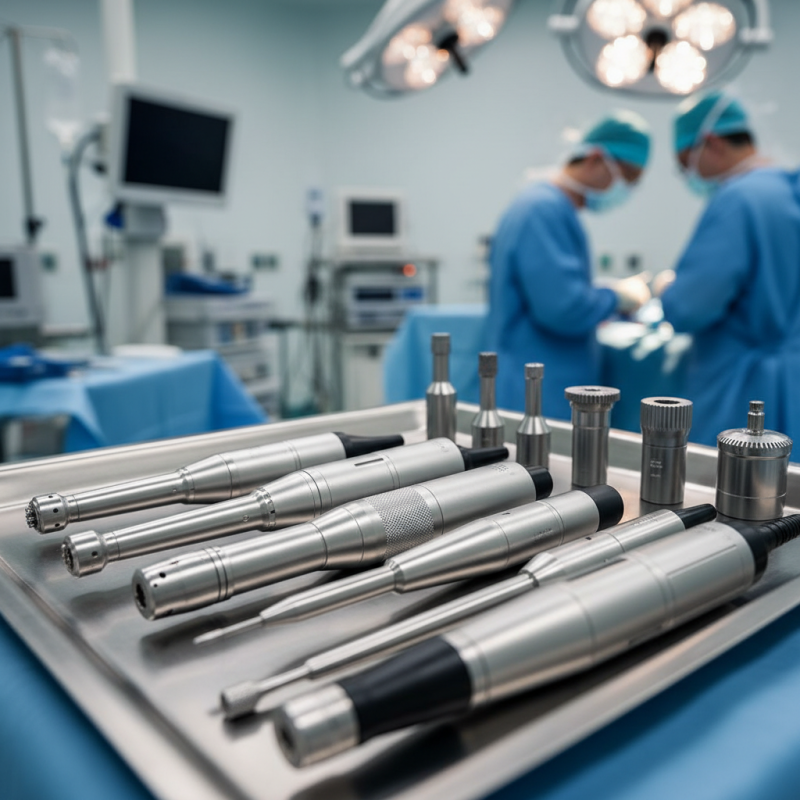
Choosing the right neuro surgical drill is critical for optimal performance. Consider various factors before making a decision. First, assess the weight and size. A lightweight drill can enhance maneuverability in challenging surgical environments. You want something that feels balanced in your hand, allowing for precision.
Next, think about the drill's speed and torque settings. Different procedures require different speeds. Some may necessitate higher torque, while others need lower speeds for delicate tasks. Additionally, check the battery life if it's cordless. A drill that lasts longer minimizes interruptions during surgery.
Finally, consider the ease of maintenance. A drill that is hard to clean can lead to complications down the line. Reflect on past experiences with different tools. Did you struggle with cleaning? Did the weight fatigue your hand? Every detail matters. Make sure the drill you choose fits your specific needs.
Types of Neuro Surgical Drills and Their Specific Applications
Neuro surgical drills are essential in various neurosurgical procedures. Understanding the types of drills available is crucial for making informed decisions. Each drill serves specific applications, ensuring precision and safety during operations.
For instance, high-speed drills are typically used for craniotomies. They operate at speeds exceeding 200,000 RPM, allowing surgeons to make rapid and controlled bone cuts. A 2022 industry report indicated that these drills contribute to a 30% reduction in operation time in skilled hands. However, the risk of overheating bone is a concern that requires continuous irrigation.
Conversely, low-speed drills are often preferred for delicate procedures. They provide better control and minimize trauma to surrounding tissues, essential during biopsies and softly manipulating nerves. According to recent studies, low-speed drill utilization has increased by 25% over the past five years. The slower speeds reduce debris and heat generation, but they require more manual dexterity and skill from the surgeon. Balancing speed and control is a continuous reflection point for many practitioners in the field.
Neuro Surgical Drill Types and Their Applications
Ergonomics and Usability in Neuro Surgical Drill Design
When selecting a neuro surgical drill, ergonomics and usability are vital considerations. A poorly designed tool can lead to discomfort during lengthy procedures. Surgeons often face fatigue with heavier or awkwardly shaped drills. Lightweight designs and balanced weight distribution can significantly reduce strain on hands and wrists.
Usability features also play a critical role. A drill should allow easy controls for speed and torque adjustments. The grip should feel secure, even when blood or fluids are present. Textured handles can provide a better hold, preventing slips during operations. However, some designs prioritize aesthetic appeal over function, creating potential hazards. Ensuring that the drill fits comfortably in hand is essential for precision in delicate surgeries.
Surgeons may overlook aspects like noise levels during drills. Excessive noise can be distracting, impacting focus. Additionally, the ease of cleaning and maintaining the drill is often underestimated. Tools that are complex to disassemble can lead to issues with sanitation. A thoughtful approach to these factors can enhance both safety and efficiency in neuro surgeries.
Key Performance Metrics: Speed, Precision, and Reliability
When selecting a neurosurgical drill, focus on three key performance metrics: speed, precision, and reliability. Speed affects the overall efficiency of procedures. A faster drill can reduce surgery time, but balance is necessary. High speed without control can lead to complications.
Precision is critical in neurosurgery. The drill must navigate delicate structures. A drill with fine control allows for accuracy in challenging areas. Surgeons should prioritize drills providing feedback on pressure and depth. This prevents damage to surrounding tissue.
**Tip:** Always consider the weight and ergonomics of the drill. A heavy drill can lead to fatigue. Aim for a balance between power and comfort.
Reliability is non-negotiable. A drill that malfunctions at the wrong moment can have serious consequences. Research reports on durability. Look for feedback from professionals who regularly use the drills. This information can highlight potential issues.
**Tip:** Regular maintenance of the drill ensures longevity. Clean and inspect after every use. This practice helps in maintaining performance and safety.
Budget Considerations and Lifespan of Neuro Surgical Drills
When selecting a neuro surgical drill, budget plays a crucial role. Prices vary greatly based on technology and features. A basic model might suit a tight budget, but it may lack advanced capabilities. This can limit your surgical precision and speed. It's vital to weigh cost against functionality. Opting for high-end tools without considering your financial constraints could result in unnecessary stress.
The lifespan of neuro surgical drills also deserves attention. Cheaper models may wear out faster, leading to more frequent replacements. This can inflate long-term costs. Investing in durable equipment may save money over time. However, durability often comes at a higher initial price. Are you prepared for that upfront expense? Sometimes, a mid-range option may offer a good balance. It’s crucial to think ahead about maintenance and longevity when making your decision.
How to Choose the Best Neuro Surgical Drill for Your Needs? - Budget Considerations and Lifespan of Neuro Surgical Drills
| Model | Price Range ($) | Weight (lbs) | Battery Life (hrs) | Lifespan (years) | Features |
| Standard Drill A | 1000 - 1500 | 5.5 | 4 | 3 | Lightweight, ergonomic design |
| Premium Drill B | 2000 - 3000 | 6.0 | 6 | 5 | Variable speed control, LED lighting |
| Compact Drill C | 800 - 1200 | 4.0 | 3 | 2 | Compact size, easy handling |
| High Torque Drill D | 1500 - 2500 | 7.0 | 8 | 6 | High torque, durable materials |
| Entry Level Drill E | 500 - 800 | 4.5 | 2 | 1 | Budget-friendly, basic features |