How to Choose the Right Industrial Cable for Your Needs?
Choosing the right Industrial Cable is crucial for any project. Industrial cables serve as the backbone of various operations. They ensure the seamless transfer of power and data in facilities. Poor choices may lead to inefficiencies or costly downtimes.
When selecting an industrial cable, consider several factors. These include the environment where it will be used. Cables must withstand heat, moisture, and potential chemical exposure. Understanding the specific application is essential. Not all cables are created equal. Many different types are available, each designed for unique needs.
Evaluate your requirements carefully. Consulting with experts can provide valuable insights. However, it's also important to trust your instincts. Sometimes, relying on available information may not be enough. A disconnect may exist between theoretical knowledge and practical application. Take time to research and reflect on your choices. This can lead to better long-term solutions. The right industrial cable can enhance efficiency and reliability in your operations.
Understanding the Different Types of Industrial Cables Available Today
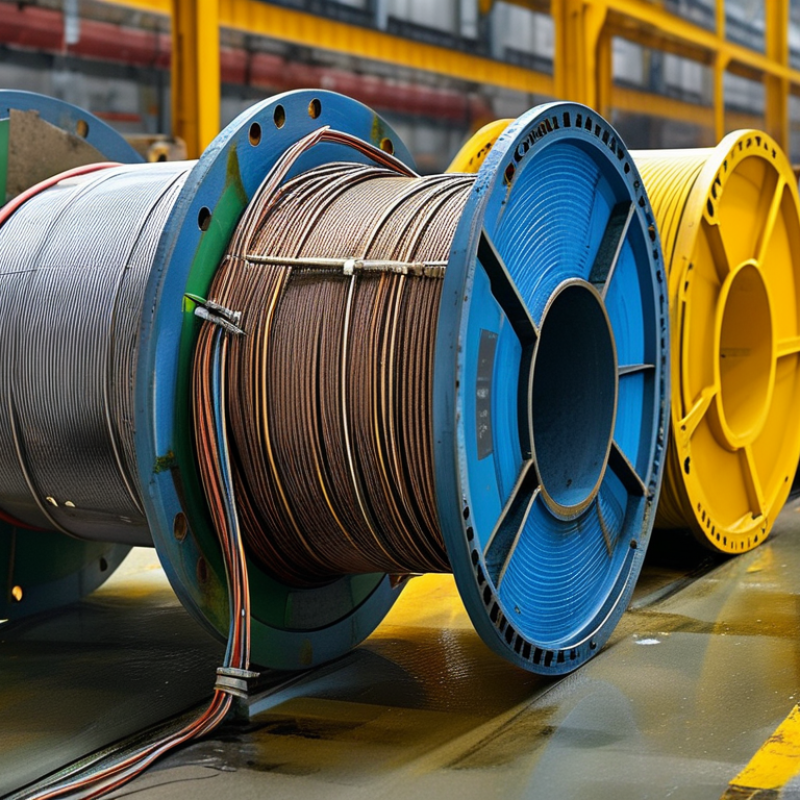
When selecting the right industrial cable, it's crucial to understand the different types available. Industrial cables are designed for various applications, including power distribution, control systems, and data transmission. According to the International Electrotechnical Commission (IEC), there are several key categories of industrial cables: power cables, control cables, and communication cables, each serving distinct purposes.
Power cables are typically used for high-voltage applications. They can handle substantial workloads, ensuring reliable energy transfer. Control cables, on the other hand, are designed for signals and control circuits. They are often smaller and more flexible, making them ideal for robotics and automation. Communication cables, including twisted pair and fiber optic cables, are essential for data integrity and high-speed connections. A report from ResearchAndMarkets projected that the industrial cable market will grow at a CAGR of 4.2% from 2023 to 2028.
Selecting the right cable can be daunting. Each type has unique specifications that must match your operational requirements. Factors to consider include temperature ratings, environmental conditions, and mechanical stress. For example, cables used in corrosive environments require special coatings. If not chosen correctly, improper cables can lead to cable failure, increased downtime, and additional costs.
Key Specifications to Consider When Selecting Industrial Cables
Choosing the right industrial cable involves understanding several key specifications. Start by considering the cable type. There are many options, like power, control, and communication cables. Each type has specific applications that determine its usage in different settings.
Another crucial specification is the cable’s voltage rating. Ensure it matches or exceeds the system's requirements. Overvoltage can lead to failure, while undervoltage may result in poor performance. Additionally, pay attention to the insulation material. It affects the cable's durability and resistance to environmental factors.
Cable length is also important. Longer cables may experience more resistance, leading to voltage drops. This can negatively impact performance. Lastly, do not overlook the importance of environmental ratings. Cables need to withstand certain conditions, such as temperature extremes, moisture, or chemicals. Ignoring these aspects can lead to costly downtime and repairs. Think through each choice carefully.
Common Applications for Various Industrial Cable Types
When choosing industrial cables, understanding their application is crucial. For example, power cables are essential in manufacturing, transmitting electricity to heavy machinery. In a report by the International Electrotechnical Commission, around 70% of industrial facilities prioritize power cable reliability. This ensures minimal downtime, enhancing operational efficiency.
Control cables are another important type. They manage signals in automation systems. A survey found that automation has increased productivity by 20% in many industries. Yet, improper selection can lead to issues like signal loss. This highlights the need for careful evaluation of cable specifications.
Similarly, data cables are vital for networking in industrial environments. With the rise of IoT, industries rely on high-speed data transmission. Research indicates that systems with superior data cabling experience 30% fewer network interruptions. However, not all data cables are created equal, and mismatched types can cause downtime. Hence, it's crucial to understand application needs before selecting cables.
How to Choose the Right Industrial Cable for Your Needs? - Common Applications for Various Industrial Cable Types
| Cable Type | Application | Temperature Rating | Voltage Rating |
| PVC Insulated Cable | General Wiring | -10°C to 70°C | 300/500V |
| Silicone Insulated Cable | High-Temperature Applications | -60°C to 180°C | 600V |
| Rubber Insulated Cable | Heavy Machinery | -40°C to 90°C | 450/750V |
| Armored Cable | Outdoor Installations | -20°C to 90°C | 600/1000V |
| Thermoplastic Cable | Flexible Applications | -30°C to 60°C | 300/500V |
Evaluating Environmental Factors Affecting Cable Performance
When selecting an industrial cable, understanding environmental factors is crucial. Temperature variations, humidity, and exposure to chemicals significantly impact cable performance. A study by the National Electrical Manufacturers Association (NEMA) highlights that 25% of cable failures are attributed to environmental stresses. Extreme temperatures can cause insulation breakdown, leading to operational failures.
Humidity is another critical consideration. Cables operating in damp conditions may experience increased dielectric loss. This can lead to reduced efficiency and shortened lifespan. According to a report by the Institute of Electrical and Electronics Engineers (IEEE), moisture can decrease cable performance by up to 50% in some cases. Proper selection involves evaluating these conditions meticulously.
Chemical exposure adds another layer of complexity. Cables used in industrial settings are often subjected to harsh substances. A recent report shows that over 30% of cable failures are due to incompatible materials. It's vital to assess whether a cable can withstand specific chemicals. Failure to do so can result in costly operational downtimes. Understanding these factors ensures better cable selection and improved reliability in the long run.
Industry Standards and Regulations for Industrial Cable Selection
When selecting industrial cables, it’s crucial to understand industry standards and regulations. These guidelines ensure safety, performance, and reliability. Familiarize yourself with the National Electrical Code (NEC) and International Electrotechnical Commission (IEC) standards. Compliance with these regulations is essential for preventing hazards and ensuring optimal functionality.
Tips: Always check the cable's rating. Look for temperature and voltage specifications. This ensures the cable fits your operational environment. Understanding the application can help you avoid costly mistakes later.
Consider factors like insulation type and cable construction. Different environments may require specific protection against moisture or chemicals. Be aware that not all cables are created equal. Validate their certifications to ensure compliance with local regulations.
In your selection process, it’s important to involve professionals with expertise. Their insights can guide you through the technical aspects. Reflect on your actual needs and the operational demands of your project. Simplifying the decision-making process is key to a successful cable choice.