How to Choose the Right Orthopedic Implant for Surgery?
Choosing the right orthopedic implant for surgery can be challenging. Dr. John Smith, a renowned orthopedic surgeon, once stated, "The right implant makes all the difference." His words emphasize the importance of selection in patient outcomes.
Orthopedic implants are essential in various surgeries. They support bones, aid healing, and enhance mobility. With numerous options available, understanding the specific needs of each patient is vital. Some may require a robust implant for high activity levels, while others may need a simpler design.
Despite advancements in technology, mistakes can still occur. Surgeons must carefully evaluate each case. They must weigh factors such as material, size, and compatibility. An improper choice can lead to complications, affecting recovery times. Ultimately, the decision rests on both the surgeon's expertise and the patient's unique condition.
Factors to Consider When Selecting an Orthopedic Implant
Choosing the right orthopedic implant is crucial for successful surgery. Several factors come into play when making this decision. Patient-specific needs should be prioritized. Age, activity level, and health conditions greatly influence implant selection. An implant for an elderly patient may differ significantly from that for a young athlete.
Material choice is another significant factor. Common options include titanium and stainless steel. Each material has pros and cons. Titanium is lightweight and corrosion-resistant, while stainless steel is strong and more affordable. However, allergies to these materials can be an issue. Surgeons must evaluate such risks carefully.
Anatomical compatibility is often overlooked. Implants should fit the patient's unique anatomy. Mismatched implants can lead to complications. Surgeons typically consider size and shape to ensure a proper fit. Regular follow-ups are also essential. This helps monitor the implant's performance over time. It's a continuous process, requiring adjustments based on patient feedback and new developments in orthopedic science.
Types of Orthopedic Implants and Their Applications
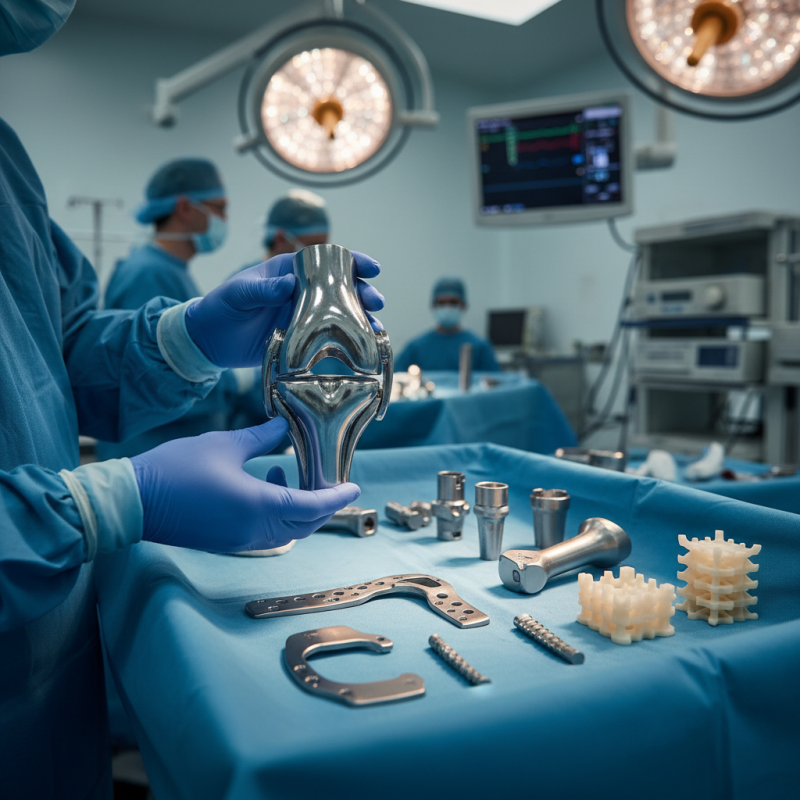
When choosing orthopedic implants, understanding the types and their applications is crucial. There are several common types of implants: plates, screws, nails, and prostheses. Plates and screws are often used for bone fixation. They stabilize fractures and support healing. Nails provide internal support for long bones, ideal for fractures in the femur and tibia. Prostheses, on the other hand, are used to replace damaged joints, such as knees and hips.
Tips: Always consider the specific needs of the patient. Factors like age and activity level play vital roles in implant selection. The right choice can lead to better outcomes, but the wrong one may cause complications. Clear communication with your orthopedic surgeon is essential. Ask questions about the materials used and the expected recovery process.
Understanding the characteristics of each type can be overwhelming. Not all implants fit every situation. Some may offer better strength, while others provide flexibility. It can be challenging to weigh these options, as every patient’s case is unique. Keep in mind that ongoing research in materials and designs changes the landscape regularly. Awareness of these advancements can guide you in making informed decisions.
Material Properties of Orthopedic Implants and Their Impact on Outcomes
When selecting an orthopedic implant, material properties play a crucial role in surgical outcomes. The most common materials used are titanium alloys, stainless steel, and polymers. Titanium boasts a low density and excellent biocompatibility. It integrates well with bone, promoting healing. However, it may not be suitable for all patients.
Stainless steel, often more affordable, offers higher tensile strength. Yet, its rigidity can lead to stress shielding. This phenomenon may cause bone loss around the implant. A study indicated that as much as 30% of patients experience complications linked to material selection. In contrast, polymers can be lightweight but may lack the long-term durability required in load-bearing applications.
Choosing the right material isn't just about strength. Surgeons also need to consider factors like corrosion resistance and fatigue properties. Suboptimal choices can lead to implant failure. According to research, surgeons report that 20% of reoperations stem from inappropriate materials. This underscores the need for deeper reflection on material properties during the selection process.
The Role of Surgeon Experience in Implant Selection
Surgeon experience plays a crucial role in selecting orthopedic implants. An experienced surgeon understands the nuances of different implants. They know which materials perform best in specific conditions. This insight can directly impact the surgical outcome.
Surgical training involves many factors. Years of practice shape a surgeon's skills. A surgeon recognizes potential complications better than a less experienced colleague. They can anticipate challenges during surgery. This foresight influences the choice of implant type and size.
Not every decision made is flawless. Surgeons may choose an implant based on familiarity rather than suitability. This can lead to suboptimal outcomes. It is vital for surgeons to stay updated with advancements. Newer implants may offer better results. Continuous education is important for effective implant selection.
Impact of Surgeon Experience on Orthopedic Implant Selection
Patient-Specific Considerations in Choosing an Orthopedic Implant
Choosing the right orthopedic implant is complex. Each patient has unique needs based on age, activity level, and health status. Surgeons must assess these factors carefully. For instance, a young athlete will require a different implant than an elderly patient with limited mobility. Understanding the individual contributes to better outcomes.
The fit of the implant is crucial. Some implants may not suit a patient's bone structure. An improper fit can lead to complications. Surgeons should consider the patient's anatomy and lifestyle. It's vital to listen to patient feedback and concerns. This dialogue can highlight issues overlooked in initial assessments.
Material choice also matters. Some patients may have allergies to certain metals. A personalized approach can mitigate risks. Discussing the materials used can promote confidence. Each decision molds the recovery journey. A well-informed choice fosters hope and trust in the surgical process.
How to Choose the Right Orthopedic Implant for Surgery? - Patient-Specific Considerations in Choosing an Orthopedic Implant
| Consideration | Description | Importance Level | Example Options |
| Patient Age | Younger patients may require more durable implants for longer longevity. | High | Metallic Implants, Ceramic Implants |
| Bone Quality | Assessing bone density can dictate the type of implant to use. | Medium | Cemented Implants, Uncemented Implants |
| Activity Level | Active individuals may require more resilient or specialized implants. | High | High-performance Implants |
| Allergies | Allergic reactions to certain materials can influence implant choice. | Medium | Titanium Implants |
| Surgical Technique | The surgeon's preferred technique may affect implant selection. | High | Modular Implants, Standard Implants |