What is a Digital Flatbed Printer and How Does It Work?
Digital Flatbed Printers are transforming the printing industry. These machines provide unparalleled versatility and efficiency. According to a recent industry report, the global market for digital flatbed printers is expected to grow at a CAGR of 5.6% from 2021 to 2028. This growth highlights their importance in various sectors, from packaging to signage.
Digital Flatbed Printers work by using large-format UV inks. They can print directly onto various substrates. This capability reduces the need for additional materials. Businesses benefit from lower production costs and shorter lead times. However, challenges remain. Not all printed materials are compatible with every printer. Companies must carefully choose the right equipment for their specific needs.
The technology allows for detailed graphics and vibrant colors, making it ideal for high-quality outputs. Yet, users should be mindful of the initial investment and ongoing maintenance costs. The balance between quality and affordability can be difficult. Digital Flatbed Printers offer many advantages, but thoughtful consideration is essential for maximizing their potential.
What is a Digital Flatbed Printer?
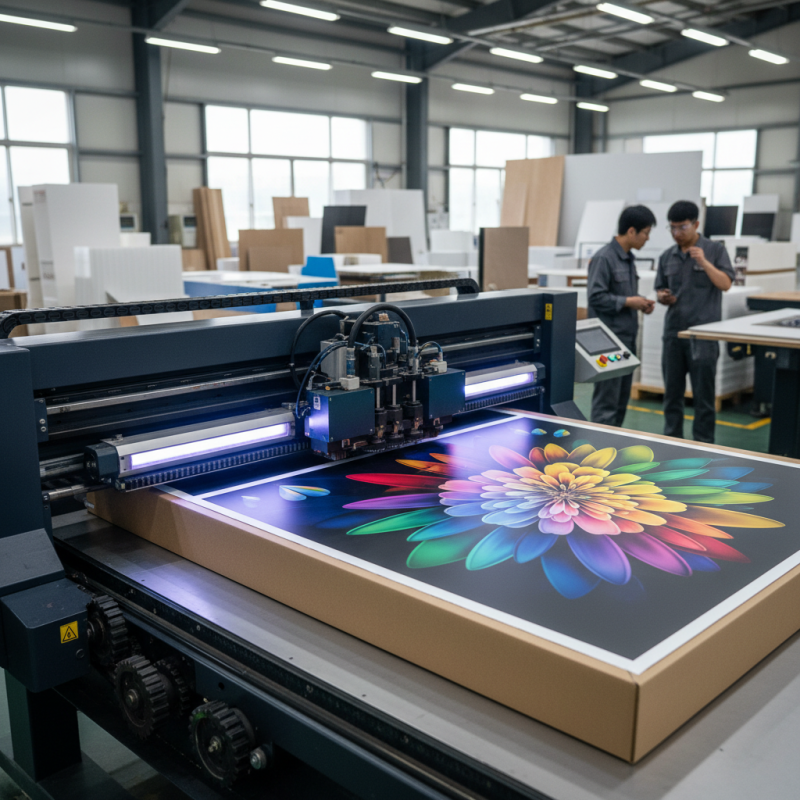
A digital flatbed printer is a versatile printing device designed for direct printing on various materials. These printers are unique because they can print on substrates like wood, glass, and metal, all in one go. Unlike traditional printers, they use UV technology to cure ink instantly, allowing for high-quality images. This means businesses can produce vibrant prints quickly.
In recent years, the demand for digital flatbed printers has surged. According to a report by Smithers Pira, the global market for digital flatbed printers is expected to grow by 8% annually, reaching over $3 billion by 2025. This growth is driven by diverse applications in signage, packaging, and interior decoration. Many companies appreciate that flatbed printers can create customized items without extensive setup time. However, some challenges remain. The initial investment can be significant, and operators need training for optimal results.
Users often report inconsistencies in print quality. This can be frustrating for those aiming for perfection. Additionally, flatbed printers require regular maintenance to ensure longevity. Ink costs can also add up, affecting overall profitability. Despite these hurdles, the advantages of flexibility and speed are hard to ignore in today’s competitive market.
What is a Digital Flatbed Printer and How Does It Work?
| Dimension | Description |
| Print Technology | Inkjet printing using UV, eco-solvent, or latex inks |
| Max Print Size | Up to 6x10 feet (varies by model) |
| Material Compatibility | Wood, glass, acrylic, metal, fabric, and more |
| Typical Applications | Signage, displays, packaging, custom items |
| Printing Speed | Up to 150 square meters per hour |
| Color Options | CMYK, white, and varnish inks available |
| Print Resolution | Up to 1440 dpi, depending on printer model |
| Operating Environment | Indoor and outdoor usage (based on ink type) |
Key Components of Digital Flatbed Printers
Digital flatbed printers have become essential in various industries. Their effectiveness comes from key components that ensure high-quality output. The primary element is the print head. It ejects ink onto the substrate. Different inks can be used, including UV, solvent, and dye-sublimation inks. Each type serves specific materials.
Another important component is the flatbed surface. This surface holds the substrate in place during printing. It can accommodate various materials, from wood to metal. A robust vacuum system often secures the materials firmly. This prevents movement, which guarantees precision.
Tips: Regular maintenance is crucial. Cleaning the print heads prevents clogs and ensures consistent quality. Also, test prints can save time. They help identify issues before large runs. Adjusting print settings for different substrates can improve outcomes. Always take note of adjustments made for future reference. Understanding each component's role creates better results. Each part matters in the printing process.
How Digital Flatbed Printers Function: A Step-by-Step Process
Digital flatbed printers have revolutionized printing by allowing direct printing on various materials. Understanding how they function is crucial. The process starts with a design that is created using specific software. This design is then sent to the printer. The printer's print head moves across the material, applying ink precisely where needed. Advanced models can handle large sheets, enabling flexibility.
During the printing process, UV LED lights cure the ink. This ensures vibrant colors and sharp images. Reports indicate that digital flatbed printing can reduce waste by up to 30% compared to traditional methods. However, challenges remain. Misalignment can occur, leading to defects. Furthermore, handling thick or uneven surfaces can complicate the process.
Another important aspect is speed. Some flatbed printers can print up to 120 square meters per hour. Yet, high-speed printing may compromise quality. The balance between speed and quality is vital. Industry professionals emphasize continuous training to minimize errors. Digital flatbed printers offer incredible potential, but ongoing refinements are necessary for optimal results.
Applications of Digital Flatbed Printing in Various Industries
Digital flatbed printing is revolutionizing various industries with its versatility and efficiency. This technology allows for direct printing on flat surfaces. It can handle a wide range of materials such as wood, plastic, glass, and metal. The ability to print large formats quickly makes it ideal for signage and packaging.
In the interior design sector, digital flatbed printers create custom wall art and decorations. Designers appreciate the quick turnaround and ability to produce unique pieces. In the promotional products industry, businesses seamlessly print logos and designs on various substrates. This flexibility leads to innovative marketing solutions. However, the quality can vary based on materials used and printer settings; achieving consistency is a constant challenge.
Another sector benefitting from this technology is the automotive industry. Digital flatbed printing helps create customized vehicle graphics. This allows for unique branding on cars and trucks. Yet, the durability of printed graphics under various environmental conditions needs close examination. Companies must continuously assess the performance of their printed materials. Exploring the balance between creativity and practicality remains an ongoing journey for many.
Market Trends and Growth Data for Digital Flatbed Printers
Digital flatbed printers have been steadily gaining traction in various industries. The demand for versatile printing solutions drives this trend. Companies seek high-quality and efficient options to streamline their production processes. The ability to print on different materials sets digital flatbed printers apart. They can work with wood, acrylic, metal, and more. This adaptability has widened their market appeal significantly.
Market data shows a strong growth trajectory for digital flatbed printers. In the past few years, the industry has seen substantial investments. Some sectors, such as signage and packaging, are expanding rapidly. However, challenges persist. High initial costs can deter small businesses from entering this market. The technology is continuously evolving, but some might struggle to keep up with new features. Manufacturers must ensure they stay competitive while addressing these concerns.
Innovations in digital printing lead to improvements in speed and quality. For example, advancements in UV printing technology enhance the printing process. Yet, the transition to these new technologies can be daunting. Many companies may need to invest in staff training and infrastructure upgrades. Balancing these needs with business growth is a delicate process. Understanding market trends is crucial for making informed decisions.