Top Electric Water Heater Trends for 2026 What Buyers Need to Know
As the demand for efficient home appliances grows, the Electric Water Heater market is evolving rapidly. According to recent reports by the Energy Efficiency & Renewable Energy (EERE), electric water heaters account for about 18% of residential energy use in the U.S. This statistic highlights their significance in energy consumption and the increasing need for innovation.
By 2026, consumers can expect groundbreaking features in electric water heaters, focusing on energy efficiency and smart technology. For instance, a report by Grand View Research indicates that the global electric water heater market is projected to reach $22 billion by 2025, with a CAGR of 6.4%. This growth showcases a shift towards eco-friendly options.
However, as technology advances, buyers should remain cautious. Some newer models may not demonstrate the promised energy savings in practice. Additionally, installation and maintenance costs can vary significantly, affecting overall value. Understanding the trends and potential pitfalls can empower consumers to make informed decisions about their electric water heater investments.
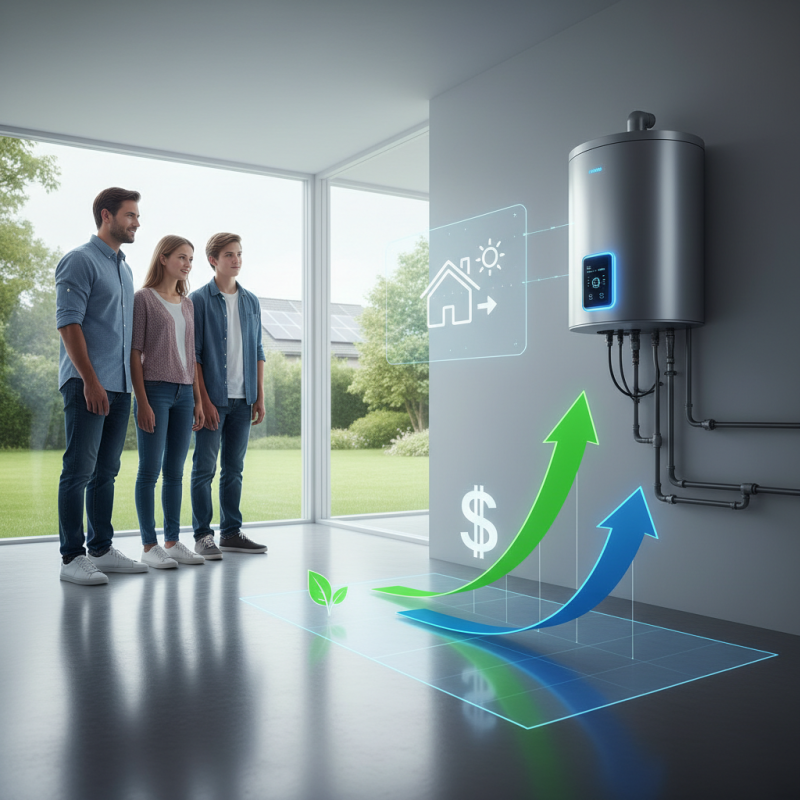
Emerging Technologies in Electric Water Heating Systems for 2026
As 2026 approaches, the electric water heating landscape is set for a significant transformation. Emerging technologies promise enhanced efficiency and user-friendliness. One key trend is the integration of smart technology. Smart electric water heaters can monitor energy usage, adjust heating schedules, and even connect to home automation systems. This connectivity allows users to optimize performance, leading to cost savings.
Another notable trend is the development of heat pump water heaters. These systems harness ambient air and convert it into heat energy. They are energy-efficient and can reduce utility bills. Though the initial investment may be higher, the long-term savings can prove worthwhile. However, some users might find these units less effective in colder climates.
Sustainability is also driving innovation. Manufacturers are prioritizing eco-friendly materials and energy sources. The shift towards reusable components ensures a reduced environmental impact. Yet, these advancements come with challenges. Consumers must weigh the benefits against potential maintenance needs and higher upfront costs. Evaluating personal needs is crucial as these technologies evolve.
Energy Efficiency Standards and Regulations Impacting Buyers in 2026
As we approach 2026, energy efficiency standards for electric water heaters are changing. New regulations aim to reduce energy consumption and greenhouse gas emissions. These changes will significantly affect product design and consumer choices. Buyers need to stay informed to make smart decisions.
Energy efficiency standards will require improvements in insulation and heat retention. This means newer models will have better performance and lower running costs. They will also need to meet stricter efficiency ratings. While this may increase initial costs, long-term savings are crucial for budgeting. Some may find these upgrades necessary, even if they seem challenging at first.
Regulations can feel overwhelming. Buyers might struggle to understand all the details. The shift toward eco-friendly options is essential but can be confusing. Staying updated on these standards is vital. Engaging with knowledgeable professionals can provide clarity. It’s important to weigh the benefits and challenges of these advancements in energy efficiency as 2026 approaches.
Smart Water Heaters: Integration with Home Automation Systems
The integration of smart water heaters with home automation systems is a game changer. These devices can be controlled remotely through smartphones or tablets. Users can adjust water temperatures, set schedules, or receive alerts about maintenance. This connectivity adds convenience to daily routines. However, many homeowners are still unaware of these features.
While smart water heaters offer many benefits, there are drawbacks. Not all devices are compatible with existing systems. Some may require updates or new installations. Additionally, cybersecurity is a concern. Keeping personal data secure is paramount. Users must be cautious when connecting new appliances to the internet.
The trend toward smart home integration is clear. Homeowners value energy efficiency and remote access. However, selecting the right model can be challenging. Buyers should research and compare options. Understanding how to integrate these heaters will become increasingly important. This knowledge can lead to better decisions, ensuring comfort and energy savings in the long run.
Top Electric Water Heater Trends for 2026
This chart illustrates the projected trends in electric water heater technology for 2026, focusing on the integration of smart water heaters with home automation systems. The data reflects consumer interest in key features such as energy efficiency, remote control capabilities, and compatibility with smart home technologies.
Sustainability Trends in Electric Water Heating Solutions
The electric water heating industry is undergoing significant changes driven by sustainability. Data shows that by 2026, over 25% of new water heaters sold will focus on energy efficiency and reduced carbon footprints. This trend reflects a growing consumer awareness of environmental impacts. Recent reports from energy research firms indicate that energy-efficient electric water heaters can reduce greenhouse gas emissions by nearly 30% compared to traditional gas models.
The increasing adoption of renewable energy sources, such as solar and wind, is shaping electric water heating solutions. By 2026, it's expected that about 15% of electric water heaters will integrate smart technologies to optimize energy use. These advancements help consumers schedule heating during off-peak energy hours. However, challenges remain in technology accessibility and affordability for all consumers. There is still a need for clearer information on how to utilize these new features effectively.
Moreover, while sustainability is essential, not all solutions are perfect. For instance, the initial investment for smart electric water heaters is higher. However, they offer long-term savings on energy bills. A more informed buying decision requires weighing immediate costs against future benefits. The industry must continue to educate consumers on these trade-offs to promote wider adoption of eco-friendly heating solutions.
Top Electric Water Heater Trends for 2026 What Buyers Need to Know - Sustainability Trends in Electric Water Heating Solutions
| Trend | Description | Impact on Buyers | Sustainability Factor |
| Smart Technology Integration | Enhanced features like Wi-Fi connectivity for remote monitoring and control. | Increased convenience and energy efficiency. | High |
| Heat Pump Technology | Utilizes renewable energy sources to heat water. | Lower operational costs and reduced carbon footprint. | Very High |
| Increased Energy Efficiency | Models designed to meet stricter energy standards. | Long-term savings on energy bills. | High |
| Eco-Friendly Materials | Use of recycled and environmentally safe materials. | Support for sustainable practices and reduced environmental impact. | High |
| Modular Systems | Flexibility in installation and scalability for different needs. | Adapts to lifestyle changes without major overhauls. | Moderate |
Key Considerations for Choosing an Electric Water Heater in 2026
When choosing an electric water heater in 2026, buyers need to focus on energy efficiency and capacity. According to the U.S. Department of Energy, electric water heaters should have a minimum energy factor of 0.90. This means they convert at least 90% of energy into hot water. This efficiency reduces utility bills and lowers environmental impact.
Consider the heater's size. An average household requires 30-50 gallons of hot water daily. This volume might not suit every family. Smaller families might need less capacity to avoid excessive energy use.
Tips: Look for models with smart technology features. These can optimize energy use. Also, investigate warranties. Longer warranties often indicate better quality.
Understand your hot water needs deeply. Some heaters perform poorly during peak times. Research local energy rates too; rates can vary significantly by region. Choose wisely to avoid regret later.