Essential Packing Machine Tips for Efficient Packaging Solutions?
In today's fast-paced production environment, efficient packaging is crucial. Packing machines play a significant role in this sector. According to a recent industry report by Smithers Pira, the global packaging machinery market is projected to reach $45 billion by 2026. This emphasizes the need for businesses to adopt advanced packing solutions.
Investing in reliable packing machines can enhance productivity. However, many companies overlook essential maintenance practices. Regular checks can prevent breakdowns and reduce downtime. A study from PMMI highlights that 70% of packing machine failures are due to neglecting routine maintenance.
Moreover, selecting the right packing machine is vital. The choice can impact product integrity and customer satisfaction. Some manufacturers underestimate how improper packing can lead to increased waste and customer complaints. By understanding these dynamics, companies can refine their packaging strategies for optimal efficiency and quality.
Understanding Different Types of Packing Machines and Their Uses
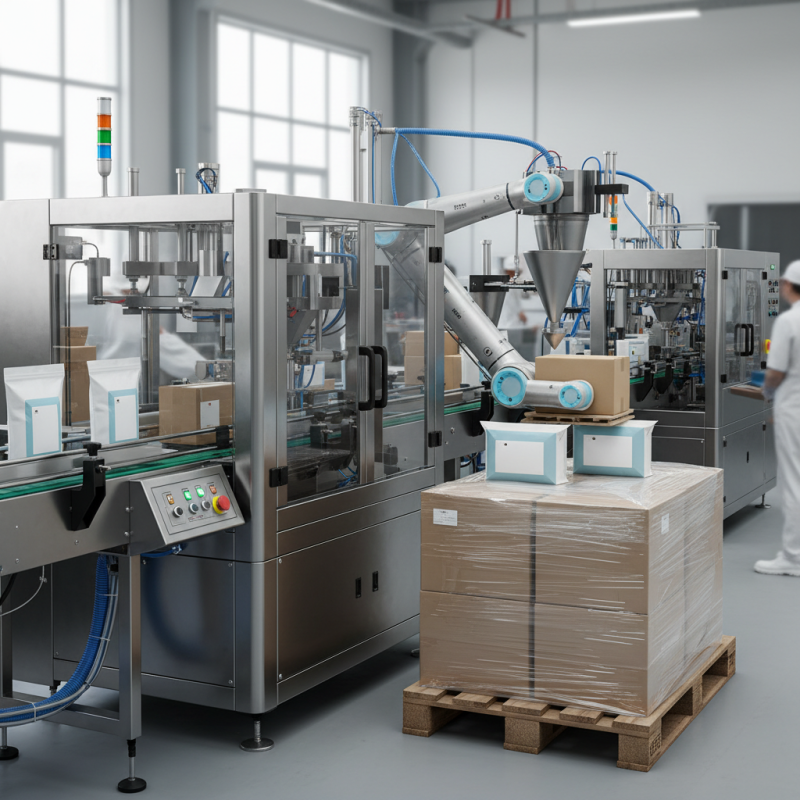
When selecting packing machines, it’s essential to understand the variety available and their specific applications. Different machines serve unique purposes in the packing process. For instance, vertical form-fill-seal machines are great for granulated products. They create bags and fill them with ingredients quickly. Other machines, like cartoners, assemble, fill, and close cartons. These are ideal for boxed products and can improve production efficiency.
Understanding your product's needs is vital. Do you need to pack liquids, powders, or solid items? Each material requires different machine capabilities. Fillers for liquids often need precise measurements. They ensure no spills occur during packaging. On the other hand, vacuum sealers are perfect for perishable goods, extending shelf life. It's important to consider your production speed and volume. High-speed machines can increase output but may necessitate extra training for operators.
Reflecting on the challenges your operations face is crucial. Investing in the wrong type of machine can lead to bottlenecks. Additionally, regular maintenance is often overlooked. Machines can require adjustments over time to maintain efficiency. Understanding these factors helps in selecting the right packing machine for your needs.
Efficiency of Different Types of Packing Machines
Key Factors to Consider When Choosing a Packing Machine
When selecting a packing machine, several key factors must be considered. One critical aspect is the machine's capacity. According to a recent industry report, machines that can handle 50 to 100 packages per minute often meet many businesses' needs. This capacity ensures efficiency while maintaining the quality of packaging. Businesses often underestimate the importance of speed and precision.
Another vital factor is the machine's adaptability. In today’s market, flexibility can be a game changer. Packaging requirements can vary widely, and machines that accommodate different sizes and weights can save time and resources. Specialized equipment can be costly; therefore, investing in a versatile machine is often more beneficial. An industry study indicated that companies using adaptable machines saw a 20% increase in productivity.
Additionally, operator training plays a significant role in the effectiveness of packing machines. A skilled operator can maximize the machine’s potential and minimize errors. However, many companies overlook this, leading to inefficiencies. The ability to periodically assess and retrain operators can ensure optimal performance over time. Making informed decisions in these areas can lead to significant improvements in packaging operations.
Best Practices for Operating Packing Machines Efficiently
Efficient operation of packing machines is crucial in today's fast-paced manufacturing environment. According to a recent report by the Food and Beverage Industry Association, companies that optimize packaging processes can reduce costs by up to 30%. A key aspect involves regular maintenance and calibration of equipment to avoid downtime. Scheduled checks can catch issues before they escalate, leading to smoother operations.
Training staff on equipment use and safety is also vital. The National Safety Council emphasizes that well-trained employees reduce accident rates significantly, enhancing productivity. Frequent hands-on sessions can empower workers to identify minor problems and rectify them swiftly, minimizing bottlenecks. Furthermore, integrating technology, such as sensors for real-time monitoring, can provide instant alerts when machinery operates outside set parameters.
Still, many operators often overlook calibration practices. A gap in routine checks can lead to inconsistencies in packaging quality. Reflecting on past performance is key. Analyzing production metrics can reveal trends that inform adjustments, fostering a continuous improvement culture. In an industry where precision matters, maintaining focus on these best practices is essential for achieving reliable packaging solutions.
Common Packing Machine Issues and How to Troubleshoot Them
Packing machines play a vital role in ensuring efficient packaging. However, they are prone to issues that can disrupt operations. One common problem is machine jams. These occur when materials get stuck in the system. Regular maintenance can help minimize this. Inspecting the mechanism regularly helps avoid buildup. Clear away debris immediately when it happens.
Another frequent issue is incorrect sealing. This can lead to product spoilage. Check the temperature and pressure settings before starting any batch. If you notice a weak seal, recalibrating the machine may solve the problem. Ensure operators are trained to recognize proper settings.
Lastly, adhesive problems can arise. Improper application can affect performance. Running tests on every new adhesive ensures that you maintain quality. Operators should be equipped to identify any abnormalities quickly. Documenting recurring issues can also pinpoint areas needing improvement. By reflecting on these challenges, businesses can enhance their packing efficiency.
Innovative Technologies Enhancing Packing Machine Efficiency
Innovative technologies are transforming packing machine efficiency across various industries. Automation is a leading factor driving these changes. According to a report by MarketsandMarkets, the global packing machine market is expected to reach $45 billion by 2025. This growth is fueled by advancements in robotics and AI, which optimize production processes. Companies that implement automated systems often see a 20% increase in productivity.
Moreover, smart packing solutions are emerging. These systems utilize IoT connectivity to monitor machinery performance in real time. For example, they can predict maintenance needs, reducing unexpected downtimes. McKinsey reports that companies using predictive maintenance can cut costs by up to 30%. However, organizations still face challenges. Integrating new technologies can be complex and require substantial training.
Sustainability is also a key focus. Many businesses are seeking eco-friendly packing solutions. Innovations such as biodegradable materials and energy-efficient machines are gaining momentum. A survey by Packaging Strategies indicated that over 60% of companies plan to adopt sustainable practices by 2025. While these changes are promising, the transition often reveals gaps in workforce skills and supply chain alignment that must be actively addressed.