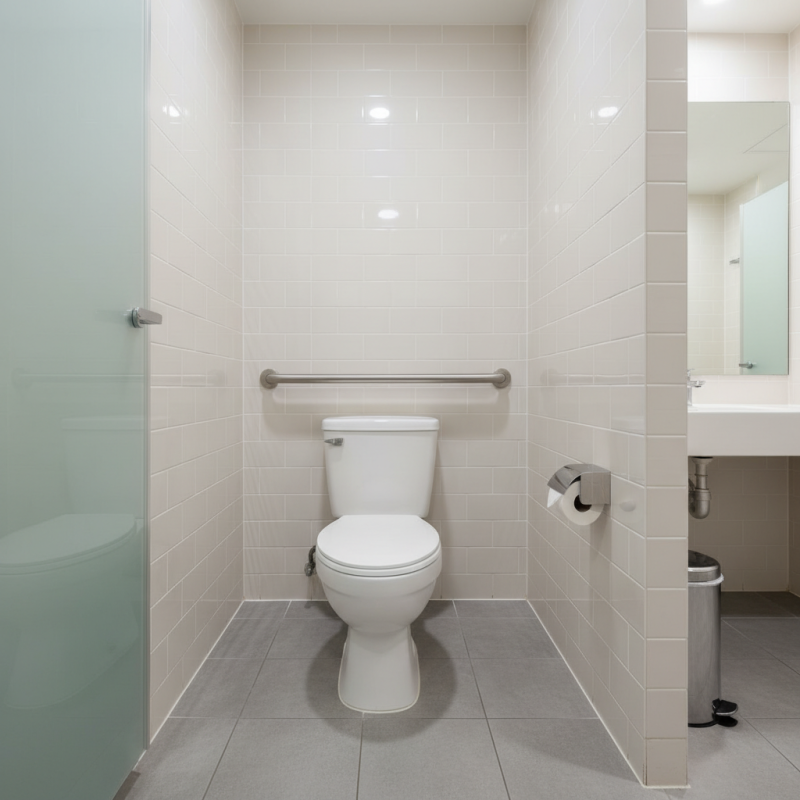
Essential Tips for Clean Restroom Stall Walls?
Clean Restroom Stall Walls are essential for maintaining hygiene and comfort. Bathrooms are high-traffic areas, and neglect can lead to unsightly stains, germs, and odors. Every visitor deserves a clean environment, yet many stalls fall short.
Inconsistent cleaning practices often result in unsatisfactory conditions. Staff may overlook walls, leading to a cycle of grime. Additionally, cheap paint may chip away, exposing porous surfaces that trap dirt. These problems demand attention, as they impact public perceptions and hygiene standards.
Effective cleaning requires diligence and the right products. Regular inspections can help identify issues before they escalate. Reminders to staff can ensure that restroom stall walls are cleaned frequently and thoroughly. By emphasizing the importance of cleanliness, we create a better experience for everyone. Let’s keep restroom stall walls not just acceptable, but immaculate.
Understanding the Importance of Clean Restroom Stall Walls
Clean restroom stall walls are crucial for overall hygiene and user experience. Studies show that dirty restrooms can deter 50% of customers from returning. A clean stall reflects a business's commitment to customer care. This is particularly vital in establishments like restaurants and shopping malls, where foot traffic is high.
Regular cleaning prevents the buildup of germs. According to a report, restroom surfaces harbor 50 times more germs than a typical office desk. This staggering number highlights the need for consistent maintenance. Consider using robust cleaning solutions that can tackle tough stains and disinfect effectively. Important areas often neglected include the walls, which can accumulate soap scum and bacteria.
Creating a cleaning schedule is key. Staff often overlook stall walls during quick cleanings, leading to grime accumulation. An ideal schedule would designate specific times for thorough cleaning, ensuring no area is ignored. Offering education on the importance of this task can increase staff diligence. A clean restroom communicates respect for patrons, influencing their perception and overall satisfaction.
Common Types of Stains and Dirt Found on Stall Walls
Restroom stall walls can be a magnet for various types of stains and dirt. Understanding these common issues is vital for effective cleaning. Some of the typical stains include ink marks, which often come from pens left carelessly. These marks can be stubborn and unsightly. Another frequent problem is soap scum, a result of splashes from sinks. It tends to accumulate over time, creating a grimy layer.
Moreover, there's the challenge of graffiti. While it may seem like a creative expression, it often tarnishes the stall's appearance. Graffiti can be difficult to remove and may require special solvents. Additionally, handprints and smudges are common, particularly at low heights where children reach. These dirty fingerprints can create a messy look, diminishing the overall cleanliness of the restroom.
Ignoring these stains could lead to a neglected environment. Regular inspections can help identify issues early. Addressing them promptly is essential to maintain hygiene and aesthetic appeal. A clean restroom instills confidence in users, while a dirty one can prompt concerns. Ensuring that cleaning procedures target these specific stains will improve restroom maintenance overall.
Best Cleaning Materials and Tools for Effective Wall Cleaning
Cleaning restroom stall walls can feel daunting. However, with the right materials and tools, it can become easier. Consider using microfiber cloths. They attract dust and grime effectively. Moreover, ensure your cleaning solution has disinfecting properties. This will help to kill germs on contact.
It's important to remember that walls often get missed during cleaning. Stains and marks accumulate over time. Neglecting these areas can lead to unpleasant odors and unsightly appearances. Periodically inspect the walls for any visible grime or wear. Cleaning sooner rather than later can save time in the long run.
When cleaning, use a circular motion to lift dirt. A gentle abrasive might help with stubborn spots, but be cautious. You don’t want to damage the wall surface. Always test a small area first. Lastly, don't overlook the importance of proper ventilation. It can help accelerate the drying process and keep mildew at bay.
Step-by-Step Cleaning Process for Restroom Stall Walls
Cleaning restroom stall walls can be daunting. According to recent studies, unclean environments contribute to lower satisfaction scores in public facilities. Frequent cleaning is essential. It helps reduce odor and unsightly stains. This maintenance can impact user comfort. A clean restroom stall can significantly improve the overall experience.
Begin by gathering necessary supplies. You’ll need mild detergents, sponges, and microfiber cloths. Dust and debris often accumulate in hidden corners. Don't overlook the areas around hinges and handles. Many professionals recommend a pH-balanced cleaner. This will effectively break down grime without damaging surfaces.
When applying the cleaner, focus on small sections. Apply with a sponge and scrub gently. Rinse often with clean water to avoid residue buildup. Stains may require multiple passes. Be prepared for unexpected challenges; some marks may seem permanent. A thorough cleaning protocol should address these issues systematically. Regular inspections can reveal problems before they escalate. This proactive approach fosters a cleaner, more inviting restroom environment.
Preventive Measures to Maintain Cleanliness of Stall Walls
Clean restroom stall walls are crucial for overall hygiene. To maintain cleanliness, regular inspections are essential. Make sure to check for stains, smudges, and graffiti. These issues can quickly worsen if not addressed. Additionally, consider tracking the cleaning schedule. Keeping a log helps ensure that stalls are cleaned frequently.
Using the right cleaning supplies matters. Choose effective yet gentle cleaners that won't damage surfaces. However, overspraying can lead to puddles. Those puddles can attract dirt and debris. Pay special attention to corners and edges. These areas often harbor grime.
Communicate with restroom users, too. Signs encouraging proper use can be helpful. Remind users to dispose of paper towels correctly. Sometimes, it’s the little details that make a difference. Encouraging respect for shared spaces fosters better habits. A clean stall not only looks good but also promotes a healthier environment.